
Sona Listening Practices
SONA LISTENING PRACTICES
Épico Studio
ARCHITECTS
Épico Studio
LEAD ARCHITECT
Erik López
INTERIOR DESIGN
Épico Studio
TEAM LEAD
Paulina Arreola Barragán
LEAD TEAM
Luis López (Lulo)
DESIGN TEAM
Marcela Segovia
ENGINEERING & CONSULTING>ACOUSTICS
Bourdeau Acoustical Design, Oda Live Sound
ENGINEERING & CONSULTING > LIGHTING
Nuumbra Studio
ENGINEERING & CONSULTING>OTHER
Jose Ibarrola
ENGINEERING & CONSULTING > ACOUSTICS
Genelec
ENGINEERING & CONSULTING > OTHER
Erik Fragoso
MANUFACTURERS
Album Goods, Dolby Atmos, FENN, Foco Lab, Kyoto Obubu Tea Farms, Lateral LTRL
PROJECT MANAGEMENT
Jorge Villanueva, Ailed Mata
AREA
245 m²
YEAR
2025
LOCATION
Mexico City, Mexico
CATEGORY
Interior Design
English description provided by the architects.
Sona is a space dedicated to listening practices, designed by Épico Estudio and Panorama.
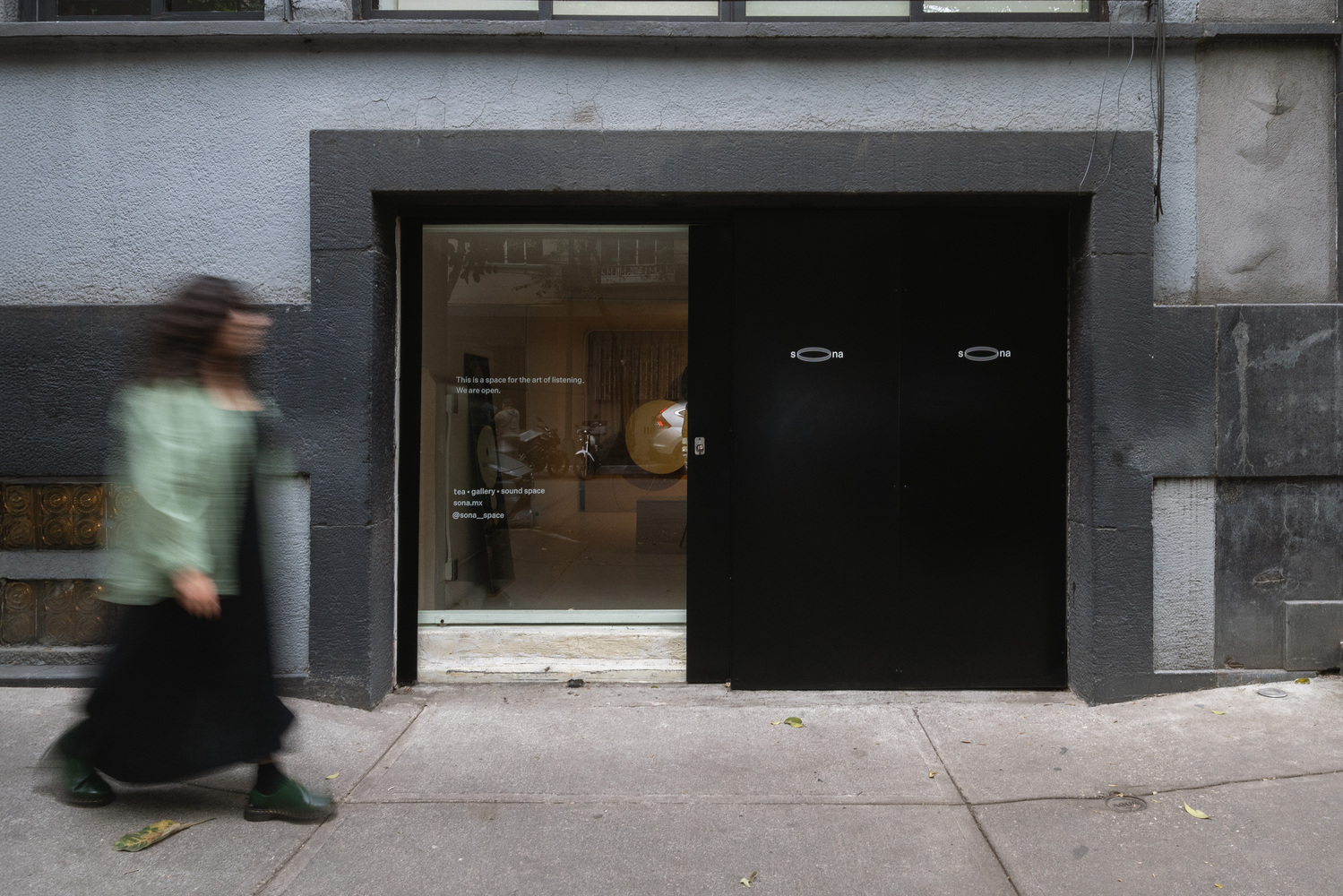
Located in the heart of Mexico City, in the Condesa neighborhood, the 245 m² venue—spearheaded by a group of friends led by Luis López (Lulo)—is defined as an environment oriented toward sonic immersion: device-free, alcohol-free, and distraction-free.
The concept transforms the act of listening into a conscious, deliberate, shared, and, above all, deeply sensory experience.
The listening sessions feature diverse musical styles, complete albums by different artists, and playlists curated specifically for Sona.
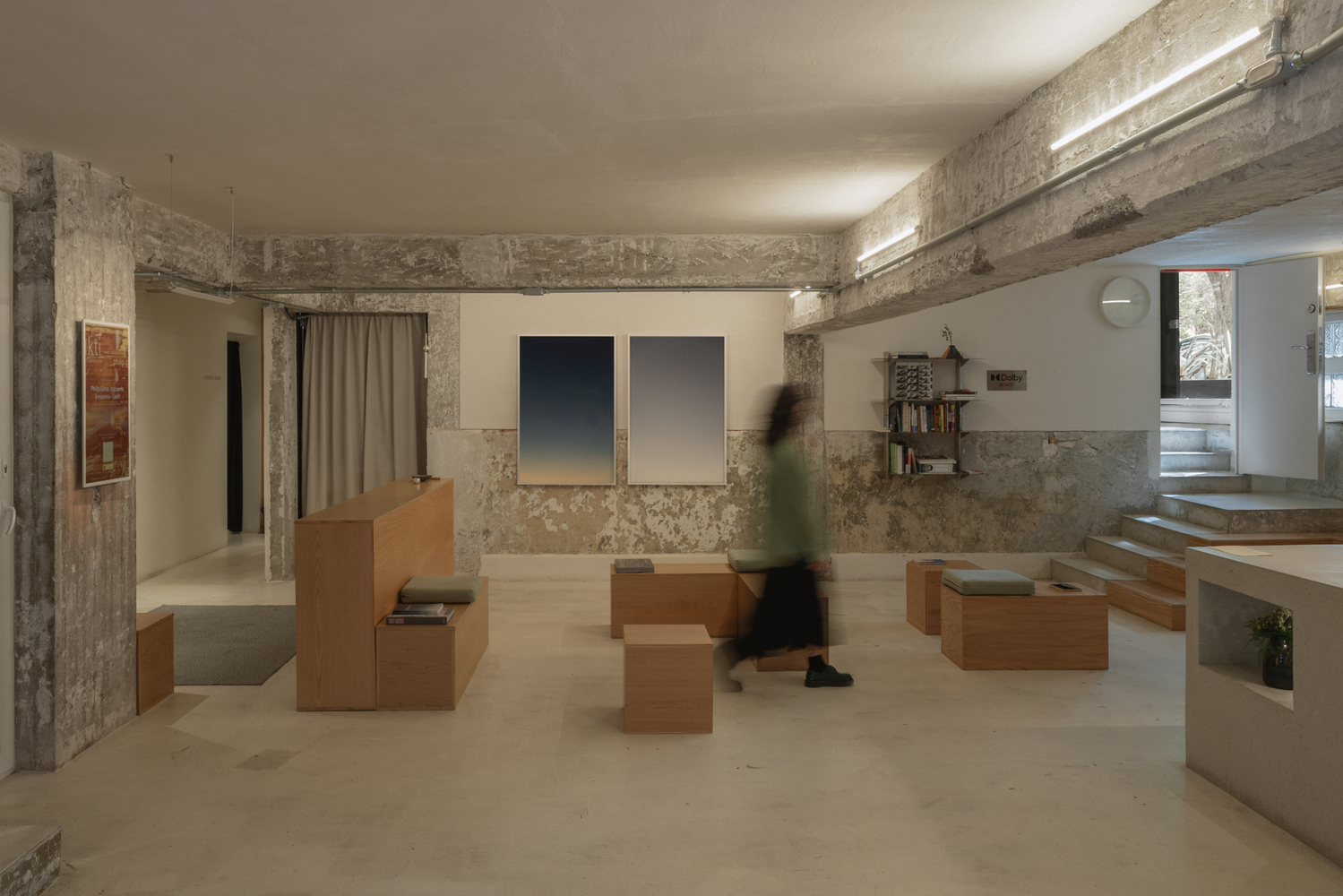
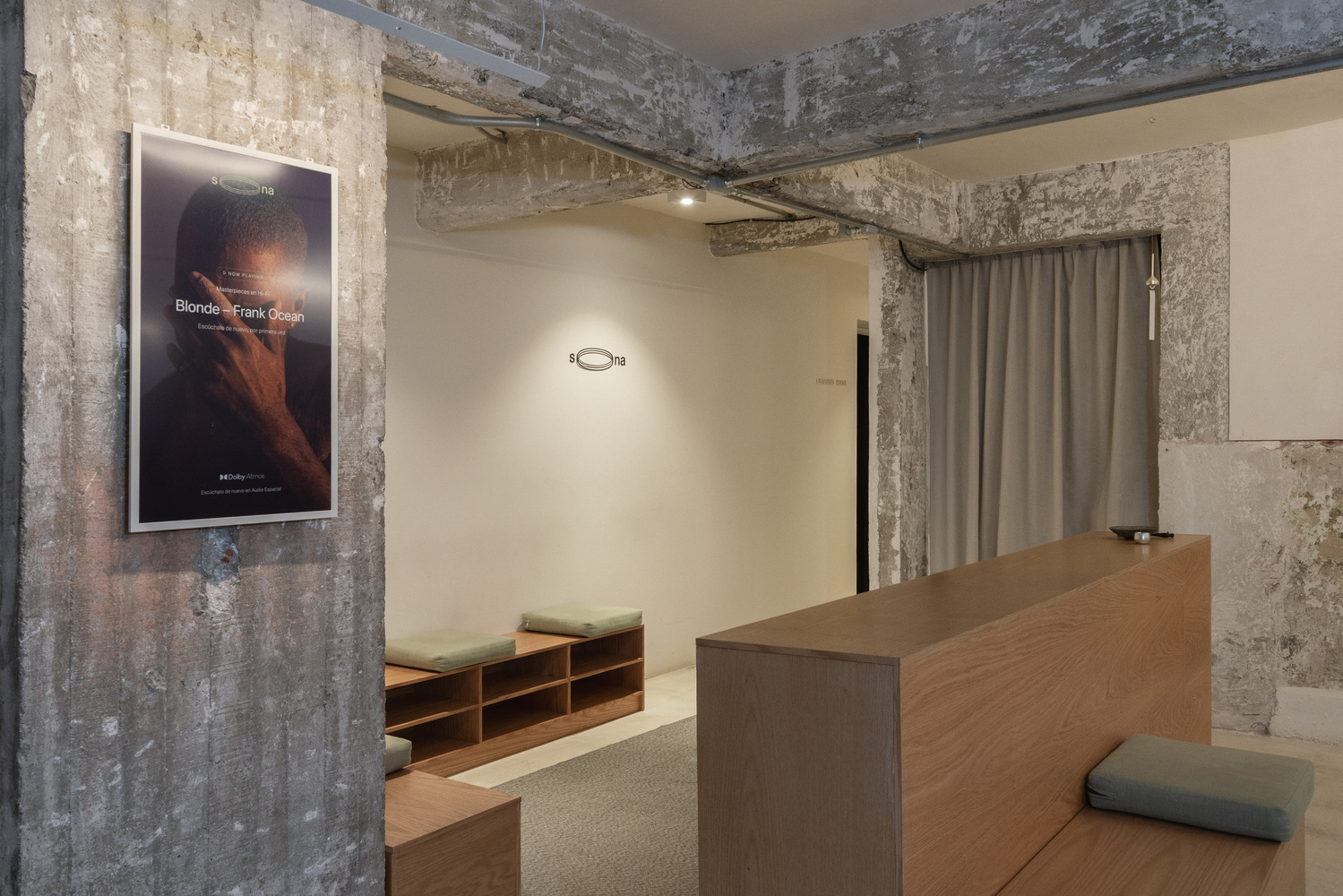
Lasting between 45 and 60 minutes, these sessions aim to intensify perception through an integrated Dolby Atmos sound system and a high-fidelity stereo system, positioning the space as a unique venue in Latin America and perhaps the world.
So far, the space has hosted artists such as Juanes, Dana, and Latin Mafia, who accompanied the listening sessions of their respective albums.
DESIGN, TEA TASTING, AND THE INTENSIFICATION OF RITUALS
Sona is inspired by early 20th-century Japanese jazz kissas (public spaces dedicated to playing vinyl records on high-fidelity systems) and Pauline Oliveros' deep listening theories.
The listening experience is complemented by a diverse selection of tea imported from Japan, served as a ritual. Lulo points out: "Unlike social listening bars, conversation at Sona is kept to a minimum;
in contrast to wellness spaces, the goal is not disconnection, but sustained attention. Here, listening is a form of discipline."
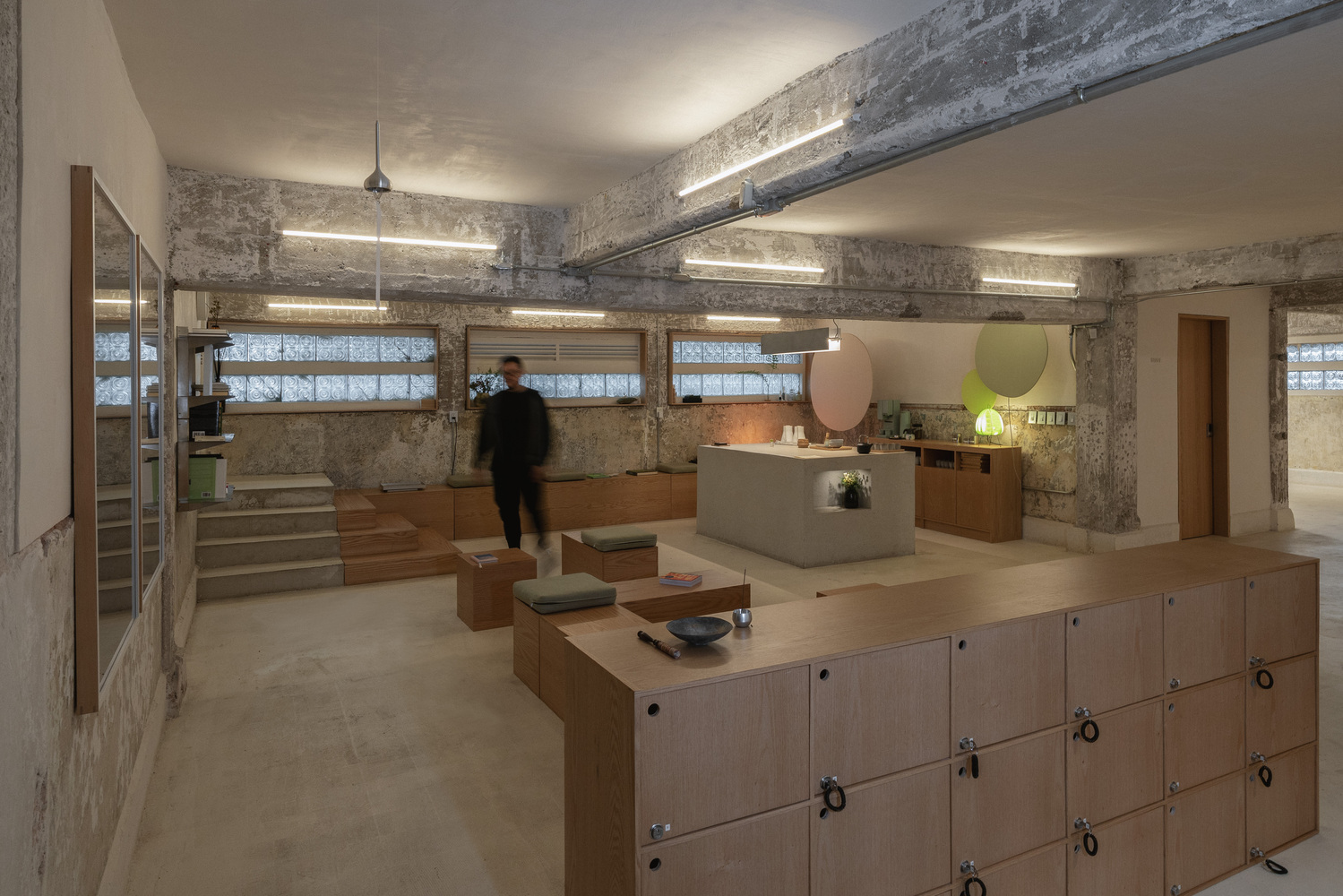
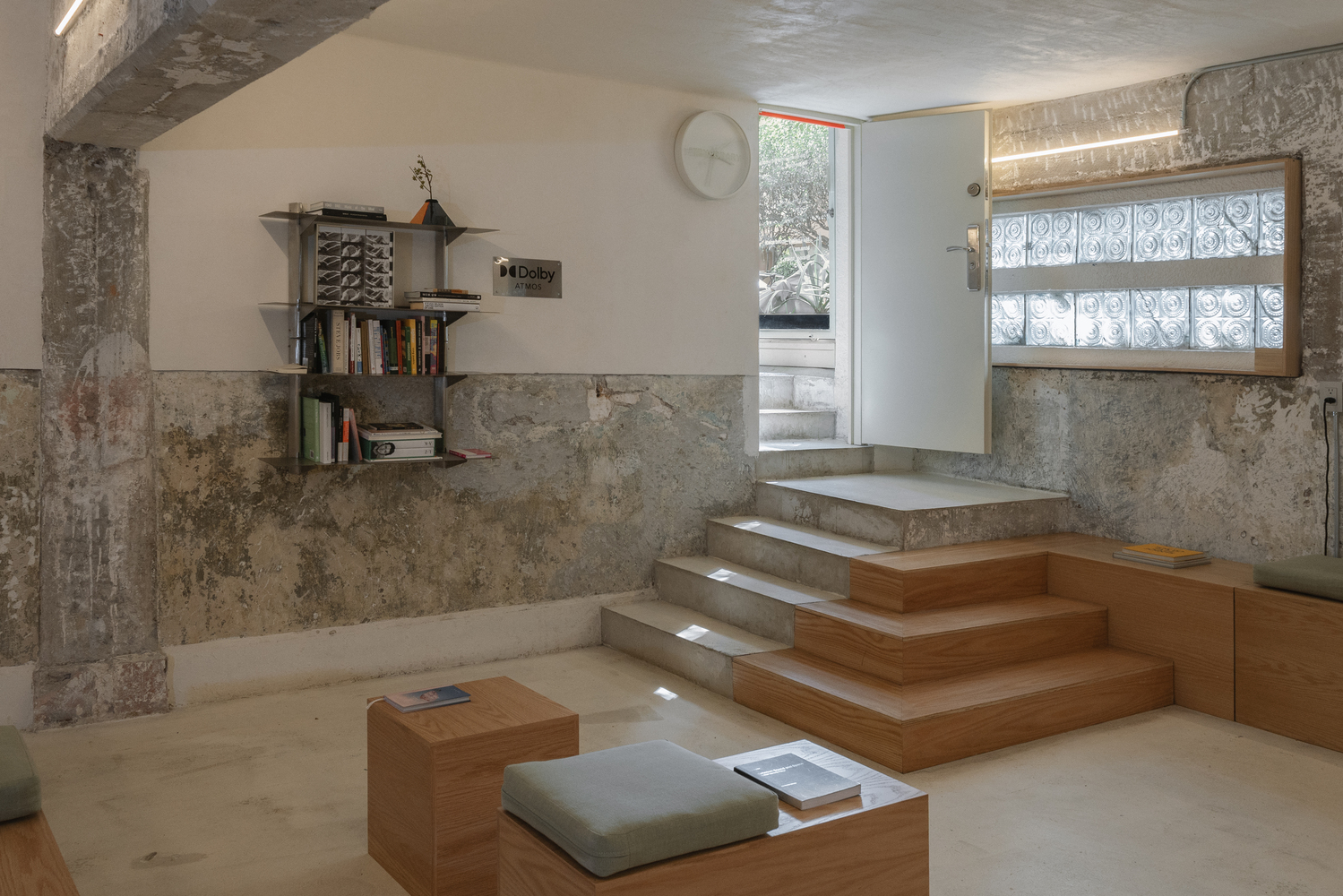
Sona is located in a semi-basement and its design adopts a museographical logic: furniture, unique pieces, books, and objects are exhibited throughout the space as if they were works of art.
Through its chosen materials, the space reveals its constructive layers: exposed concrete, brick, and vestiges of paint accumulated over time serve as a record of its history.
The venue is organized into four main areas: the threshold, the tea area, the listening room, and the gallery.
The journey begins at an entrance that functions as a threshold against urban acoustic saturation, featuring ambient sound from ODA speakers broadcasting live audio from the Macaw Sanctuary in Costa Rica.
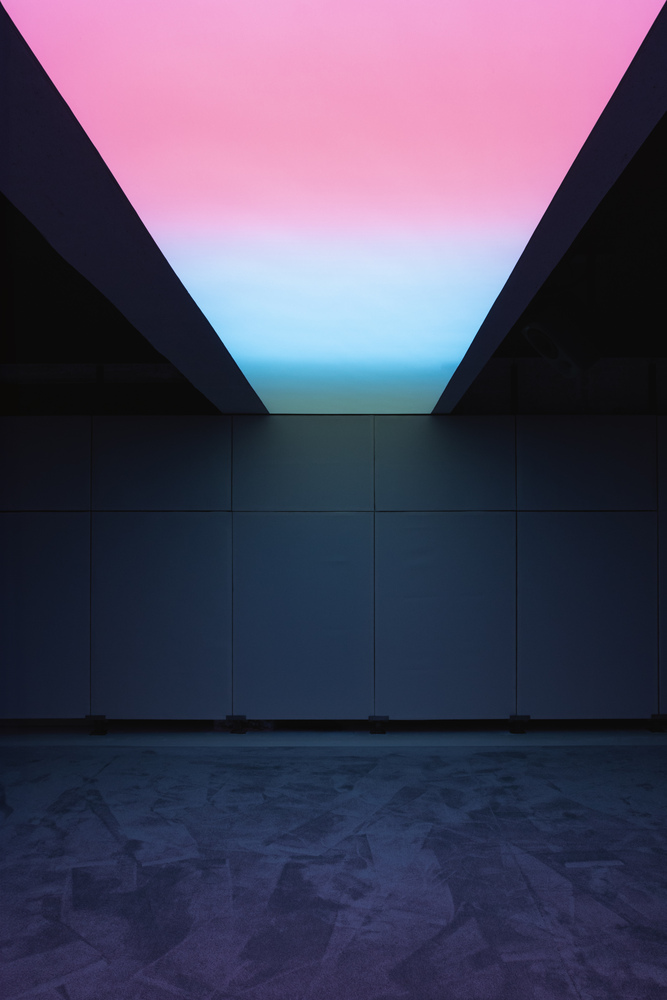
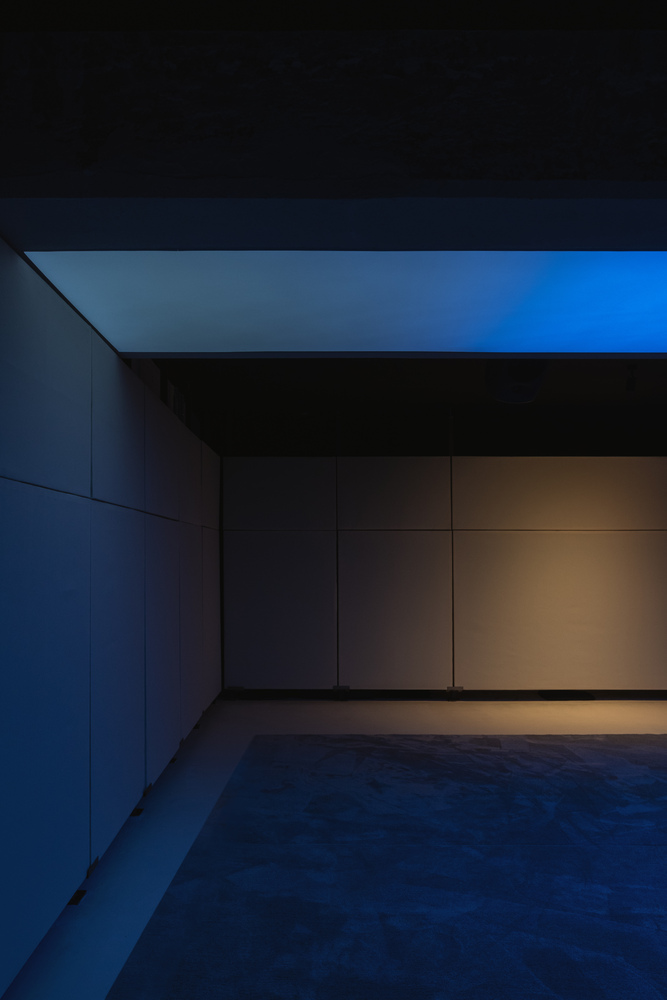
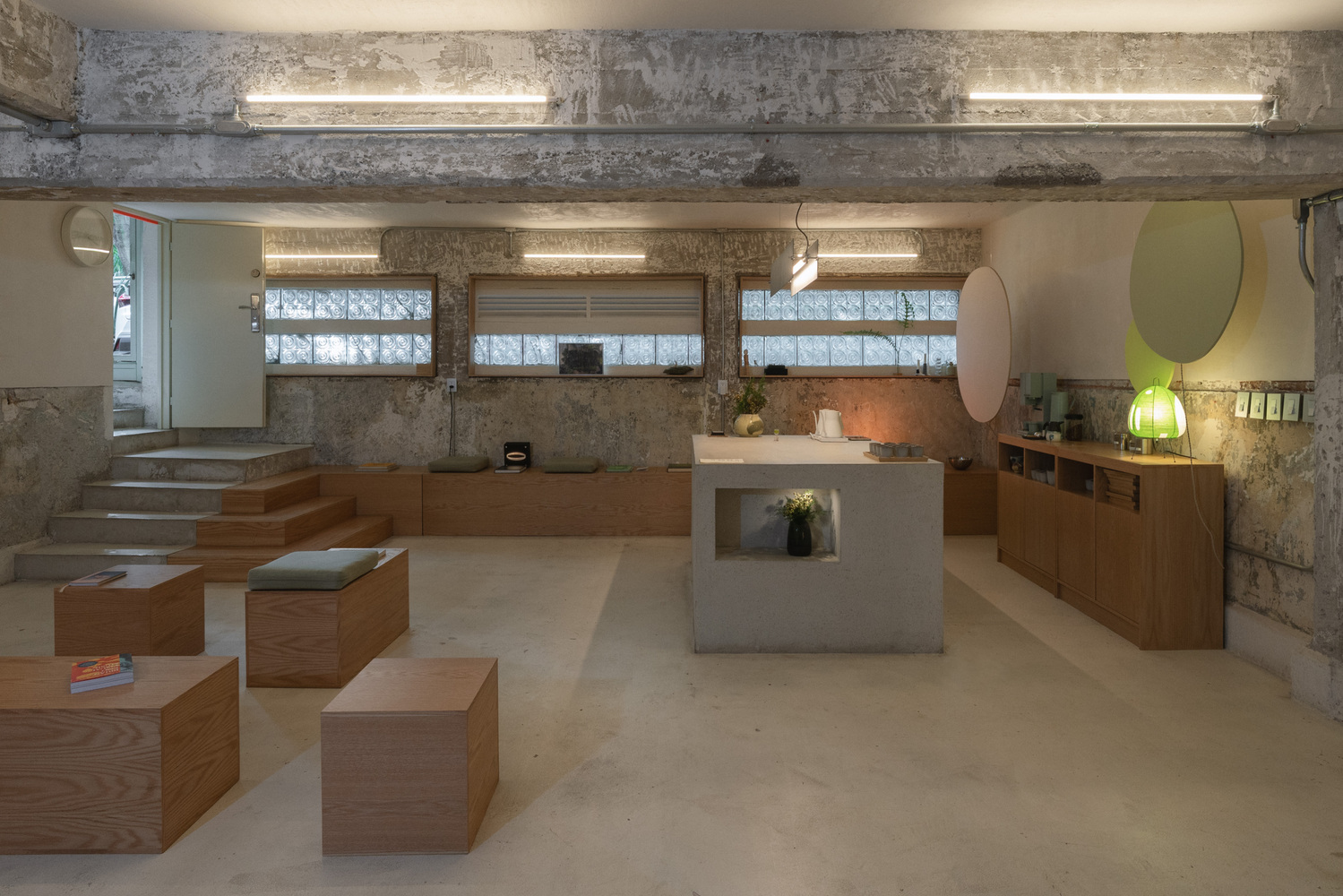
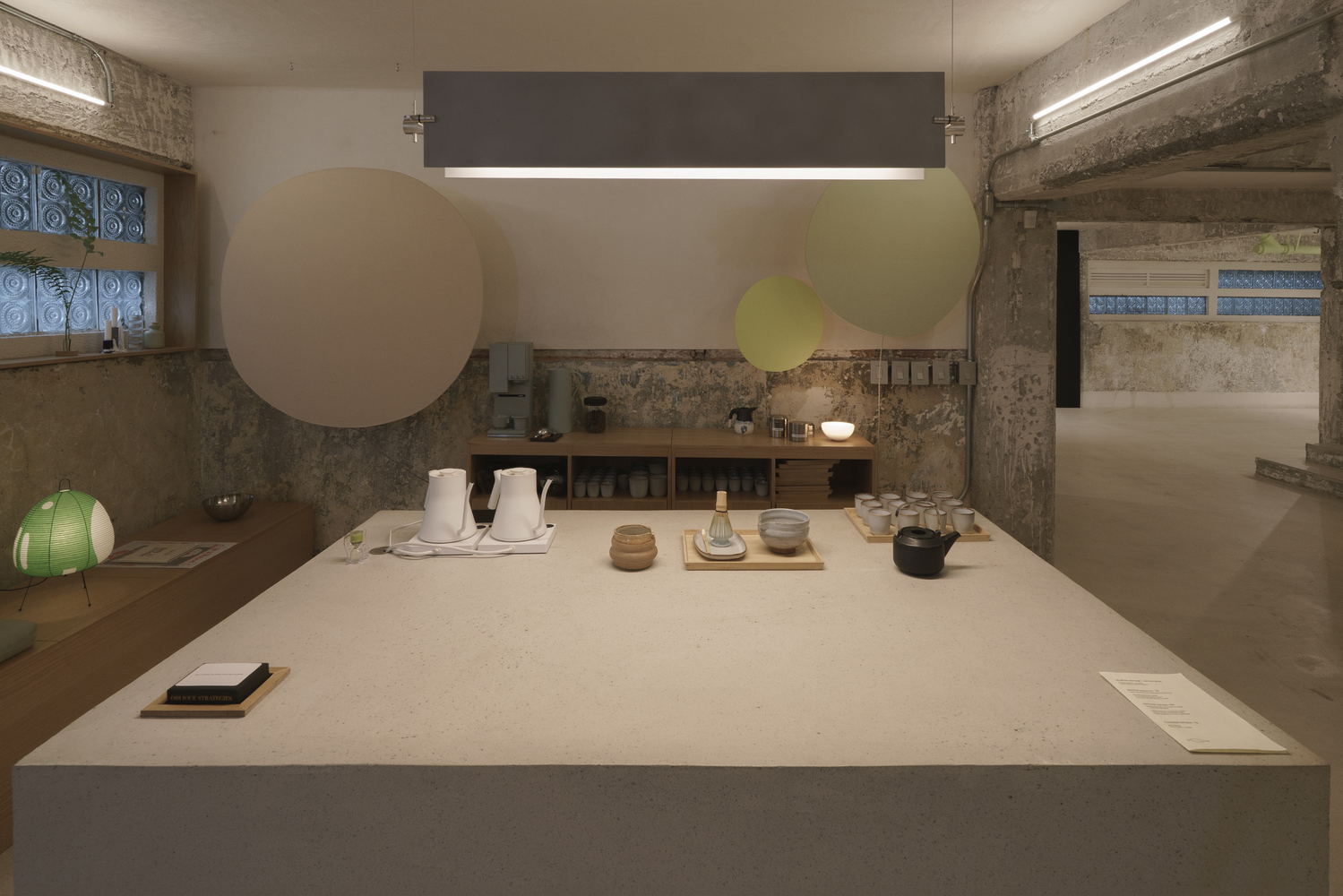
The tea area is organized around a central bar, which also serves as a visitor reception desk, information point, and tea service counter.
The lighting in this area was designed to be indirect, using warm LED tubes mounted on the beams that can be controlled independently to create different lighting atmospheres depending on the occasion.
The tea area is complemented by objects from Mexican designers that reinforce this unornamented materiality:
a lamp by Nuumbra Estudio casts focused light on the bar, while stainless steel shelves by Album Goods hold books available for visitors. These functional pieces double as presences with a character of their own.
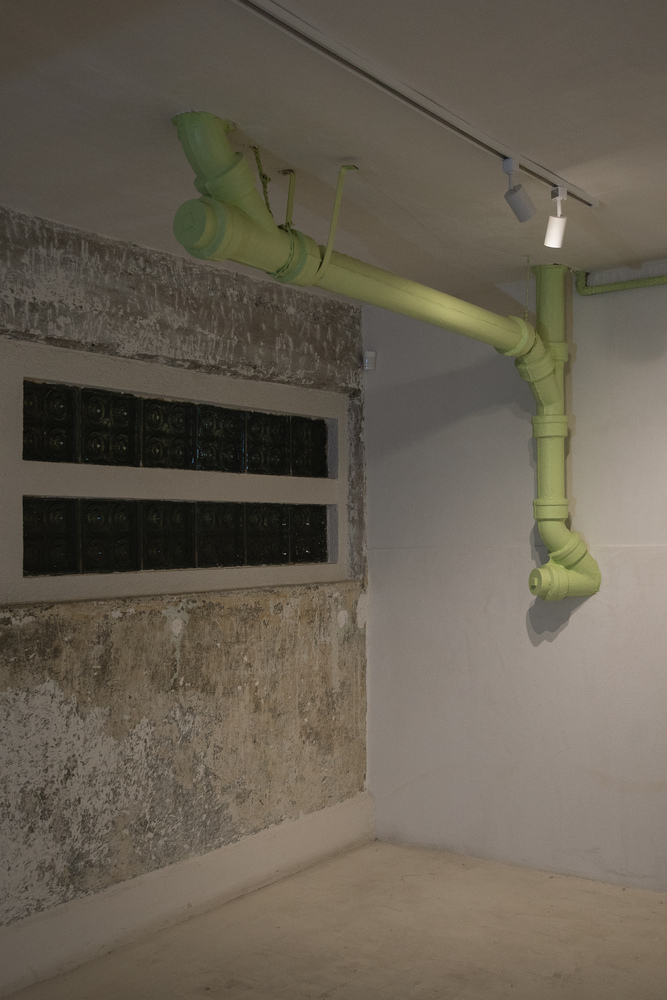
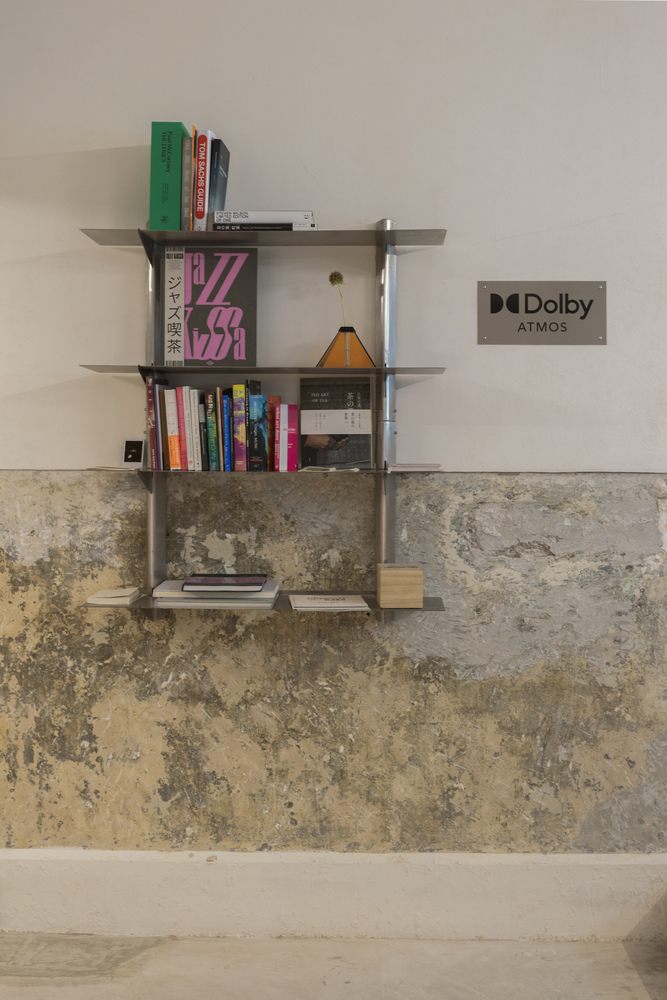
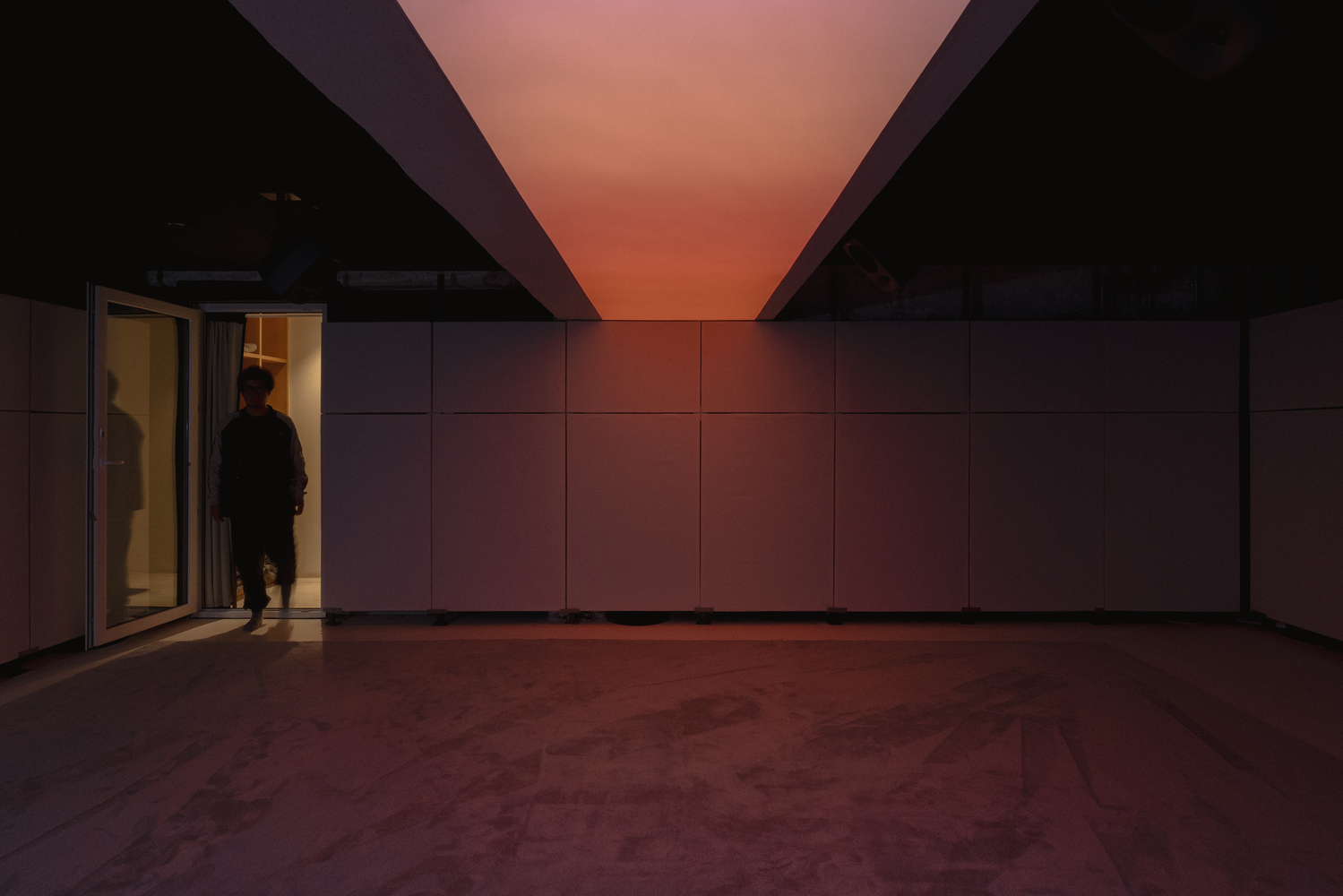
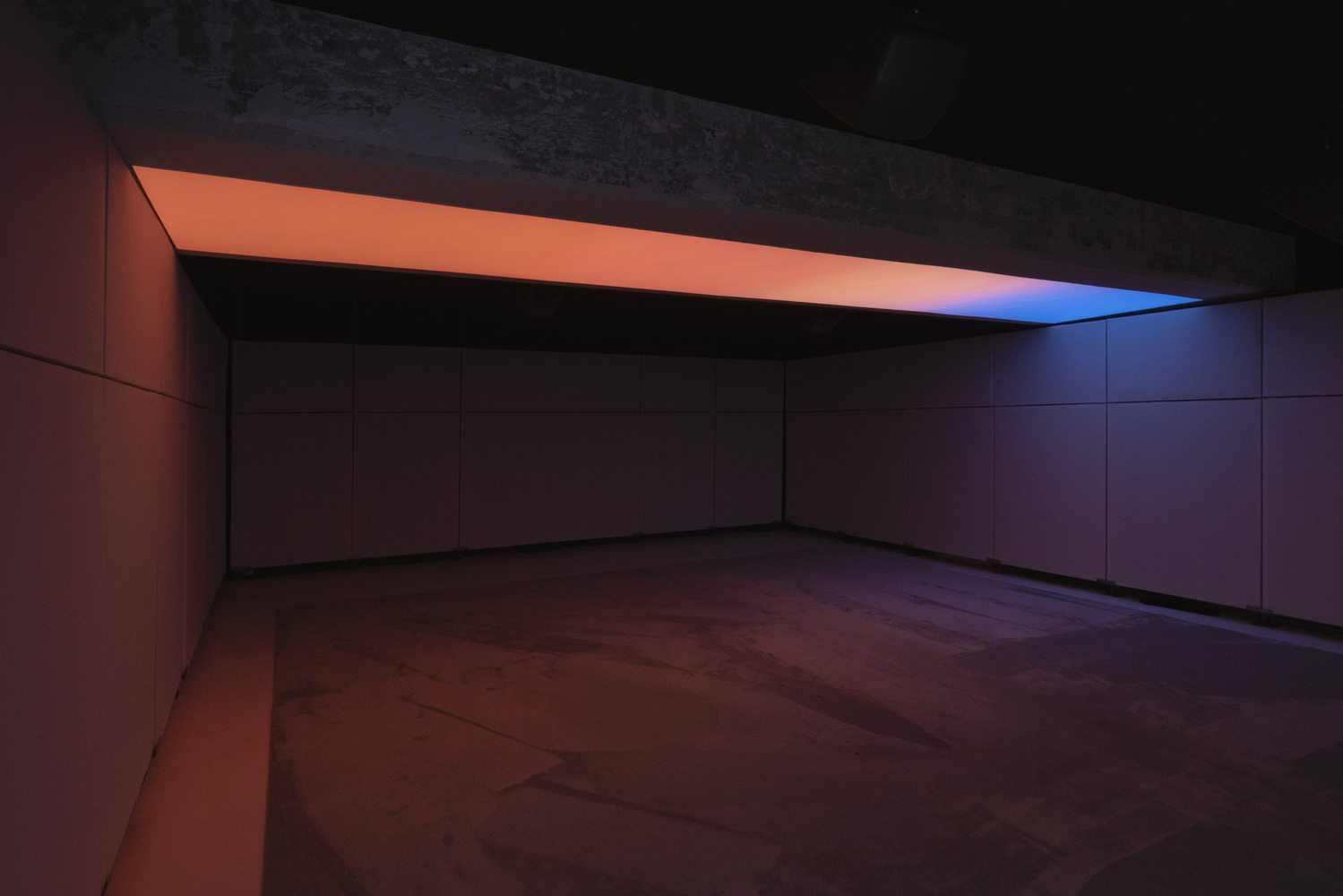
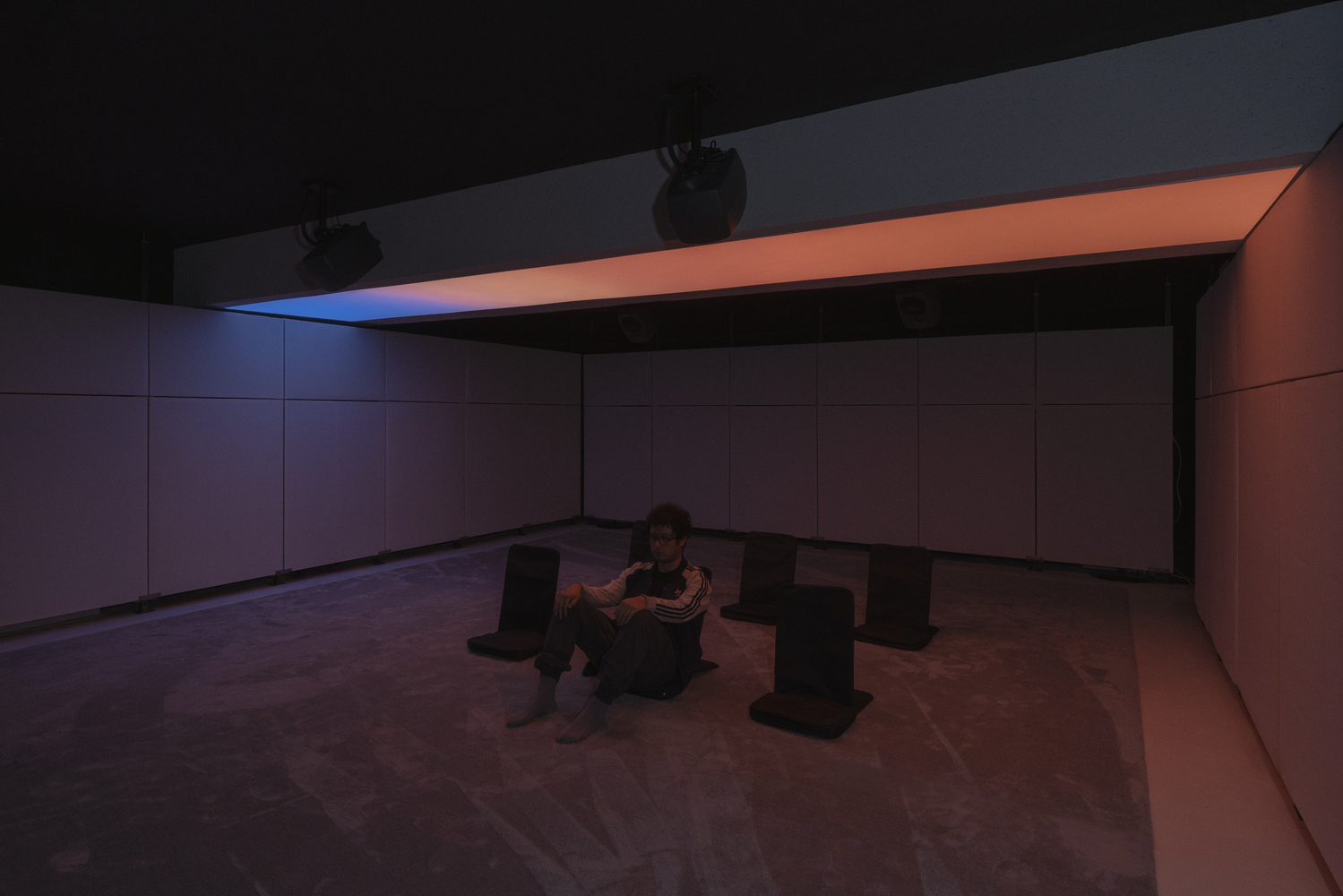
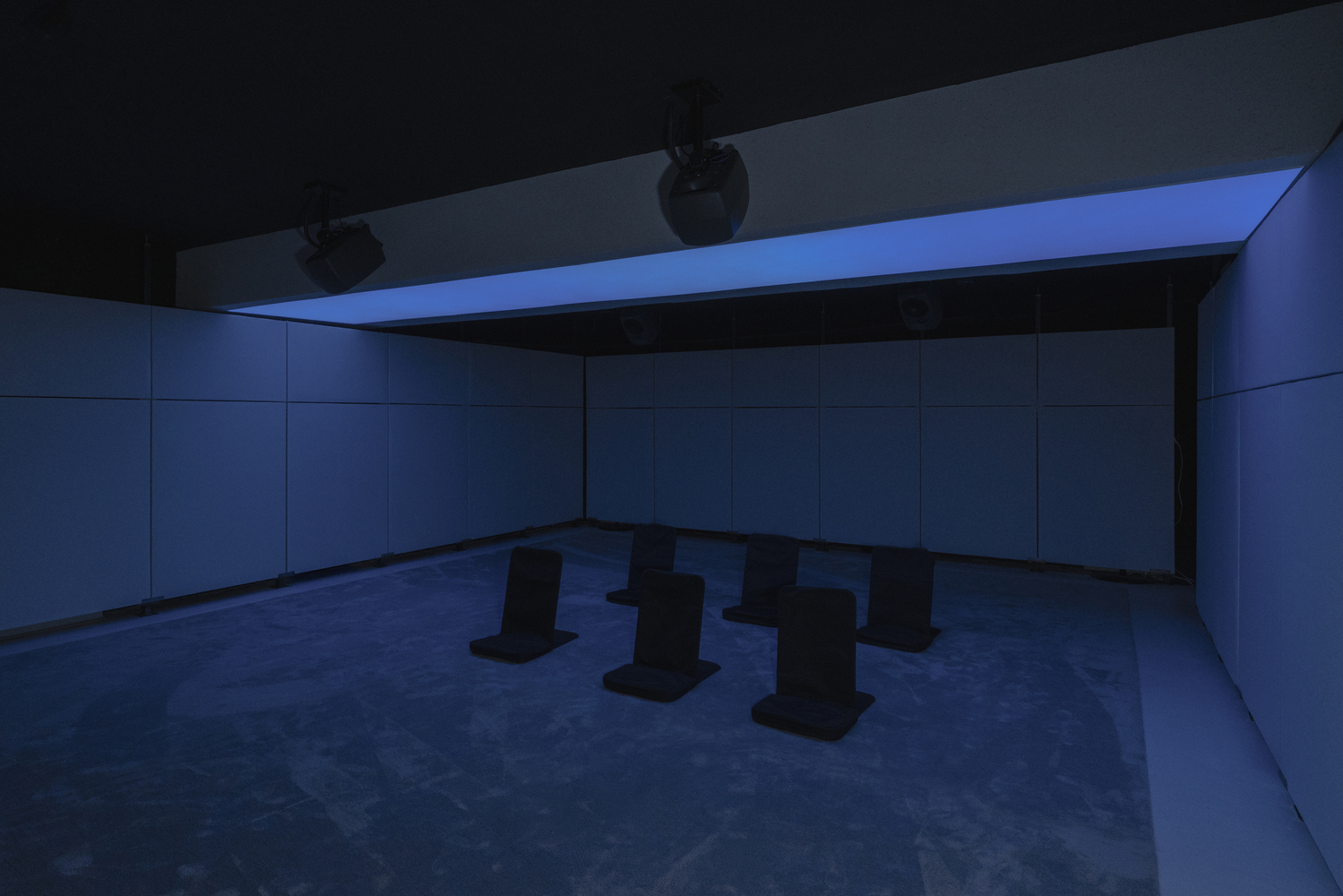
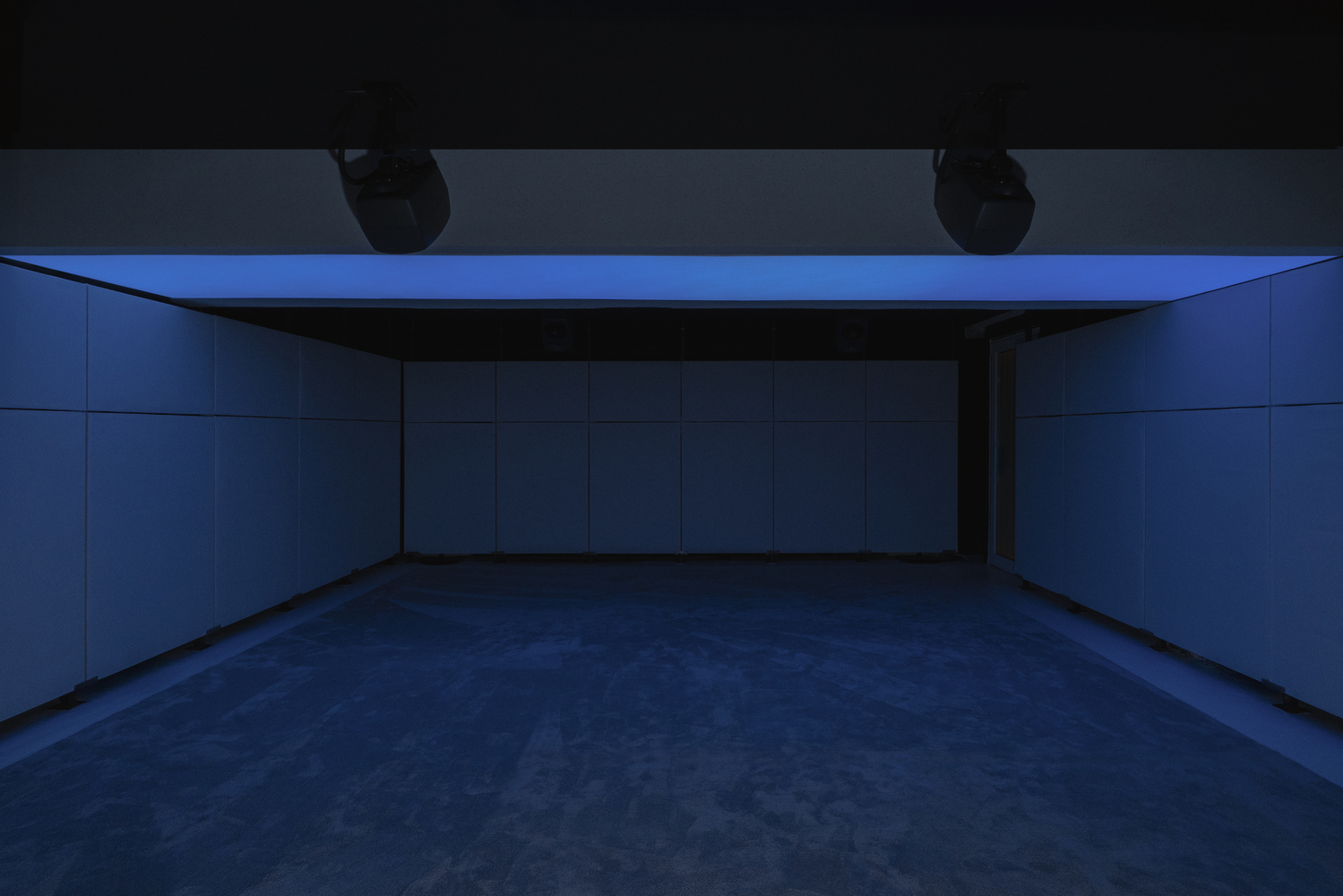
The core of the project is the listening room, an acoustically treated, screen-free space with a capacity for up to 20 people, governed by a clear premise: no phones, no conversation.
The acoustic treatment was developed in collaboration with Bourdeau Acoustical Design (BAD). The goal is not to isolate sound, but to tune its perception.
The audio system integrates the sound sources into the spatial design to prioritize the listening experience. The sessions—structured around full albums or curated playlists—unfold without interruption, restoring music to its status as a complete work of art.
A key feature within this space is the light source at the center of the room, which displays color gradients depending on the music, creating a distinct atmosphere before, during, and after each session.
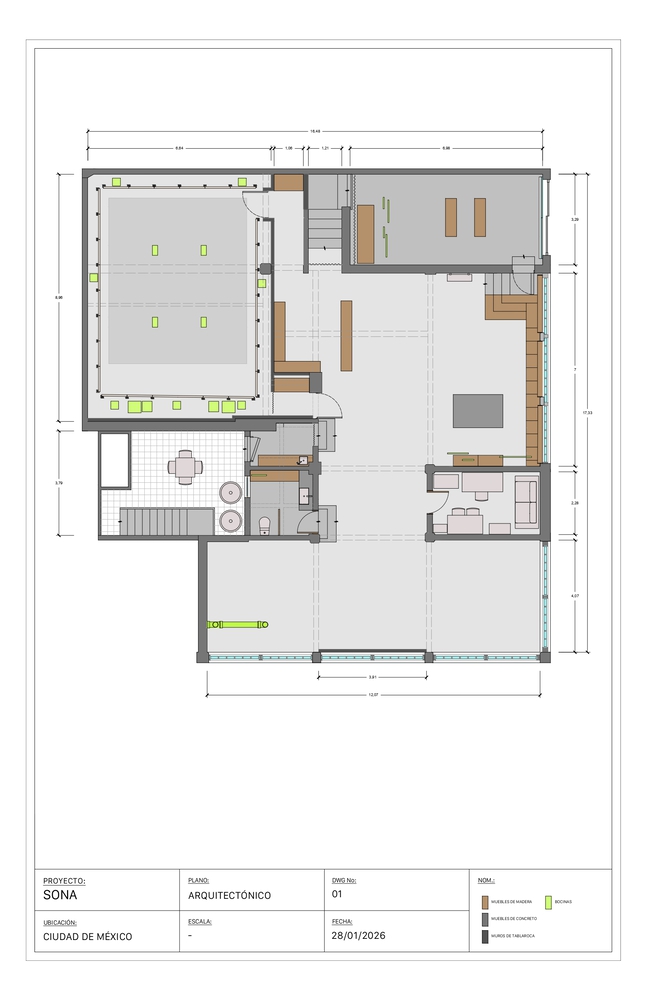
The experience is articulated through two complementary setups: an immersive system calibrated in Dolby Atmos, developed with Genelec, and an analog OJAS stereo system designed by Devon Turnbull, focused on high-fidelity and sound texture. To ensure comfort inside the listening room, a custom furniture piece offers different seating options for visitors to choose from upon entering, whether they wish to lie down, sit, or kneel, alongside eye masks and blankets.
The gallery functions as a versatile space for exhibitions, activations, and sound-related events. Rather than a closed program, Sona is conceived as an adaptable infrastructure for different forms of listening and gathering around music, tea, and contemporary rituals.
In an era marked by the fragmented and accelerated consumption of music, Sona proposes a different temporality: one of attentive, unhurried listening with a fully present body—an experience that does not occur in isolation, but in relation to others in a shared space.
