Al-mastaba Installation At Amman Design Week 2026
AL-MASTABA INSTALLATION AT AMMAN DESIGN WEEK 2026
Laith Matarweh Studio for Architecture
ARCHITECTS
Laith Matarweh Studio for Architecture
LEAD ARCHITECTS
Laith Matarweh & Hanan Salameh
TECHNICAL TEAM
Hanan Salameh
PHOTOGRAPHS
Mohanad Jihad
AREA
25 m²
YEAR
2026
LOCATION
Amman, Jordan
CATEGORY
Temporary Installations
English description provided by the architects.
Al-Mastaba is named after a common Levantine term referring to the leveling of land for building, cultivation, or access.
It also describes a leveled or raised surface for sitting. In traditional houses, the mastaba often extends the interior floor outward, forming a threshold between domestic life and the surrounding environment, where everyday activities, encounters, and social interactions unfold.
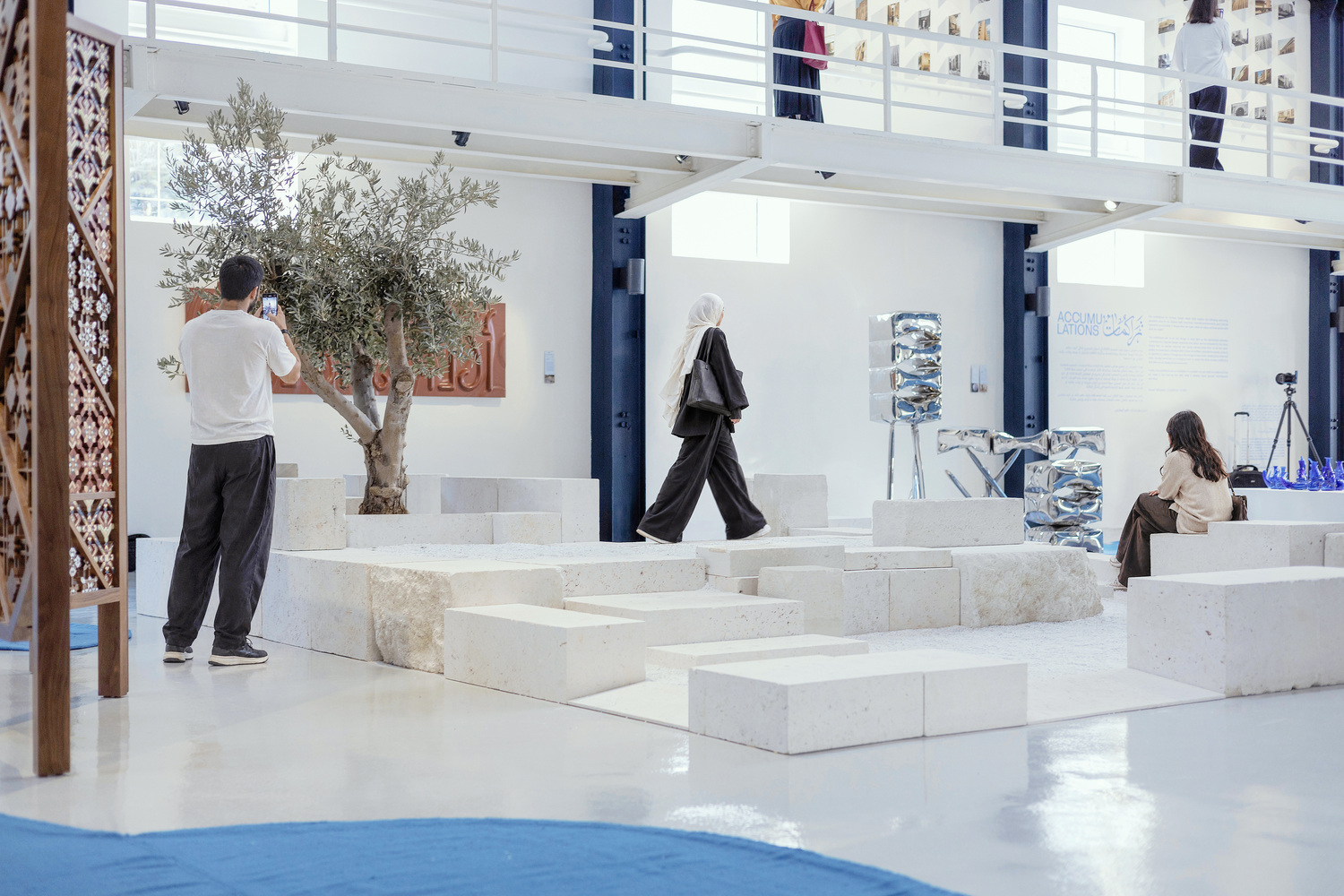
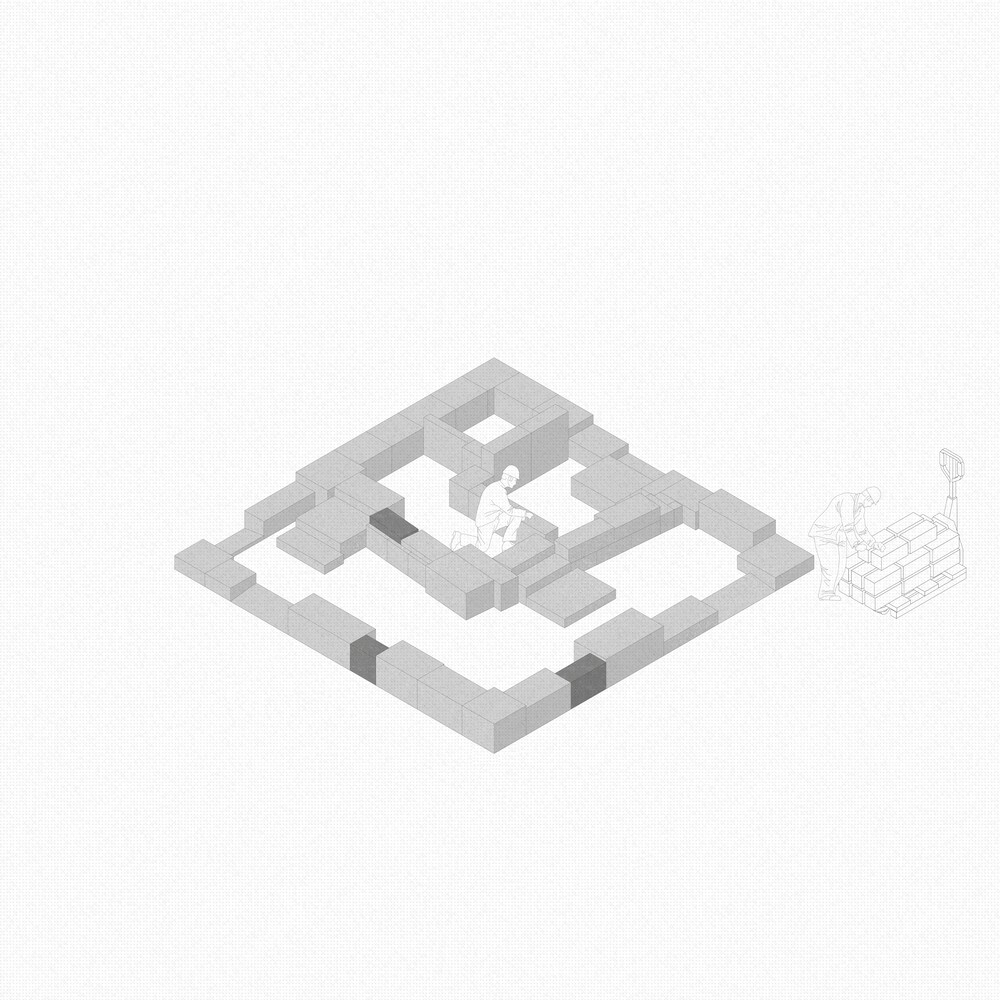
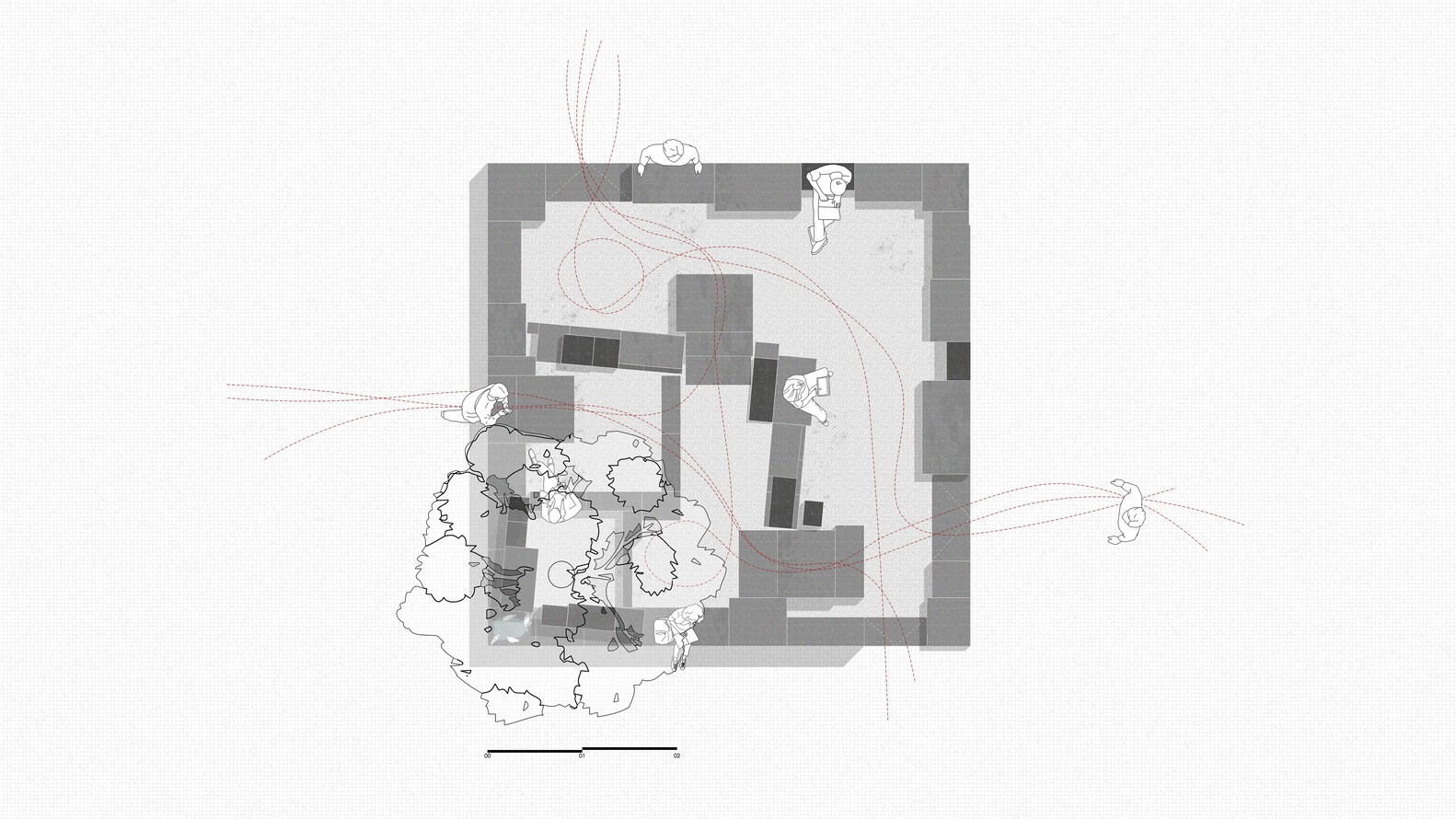
Al-Mastaba explores architectural accumulation through a material assemblage that treats time not as an external force acting upon architecture, but as a maker in its own right.
Conceived as a structural base rather than a completed architectural object, the installation draws upon the vernacular logic of the mastaba: a modest, grounded surface that accommodates life without prescribing how that life should unfold.
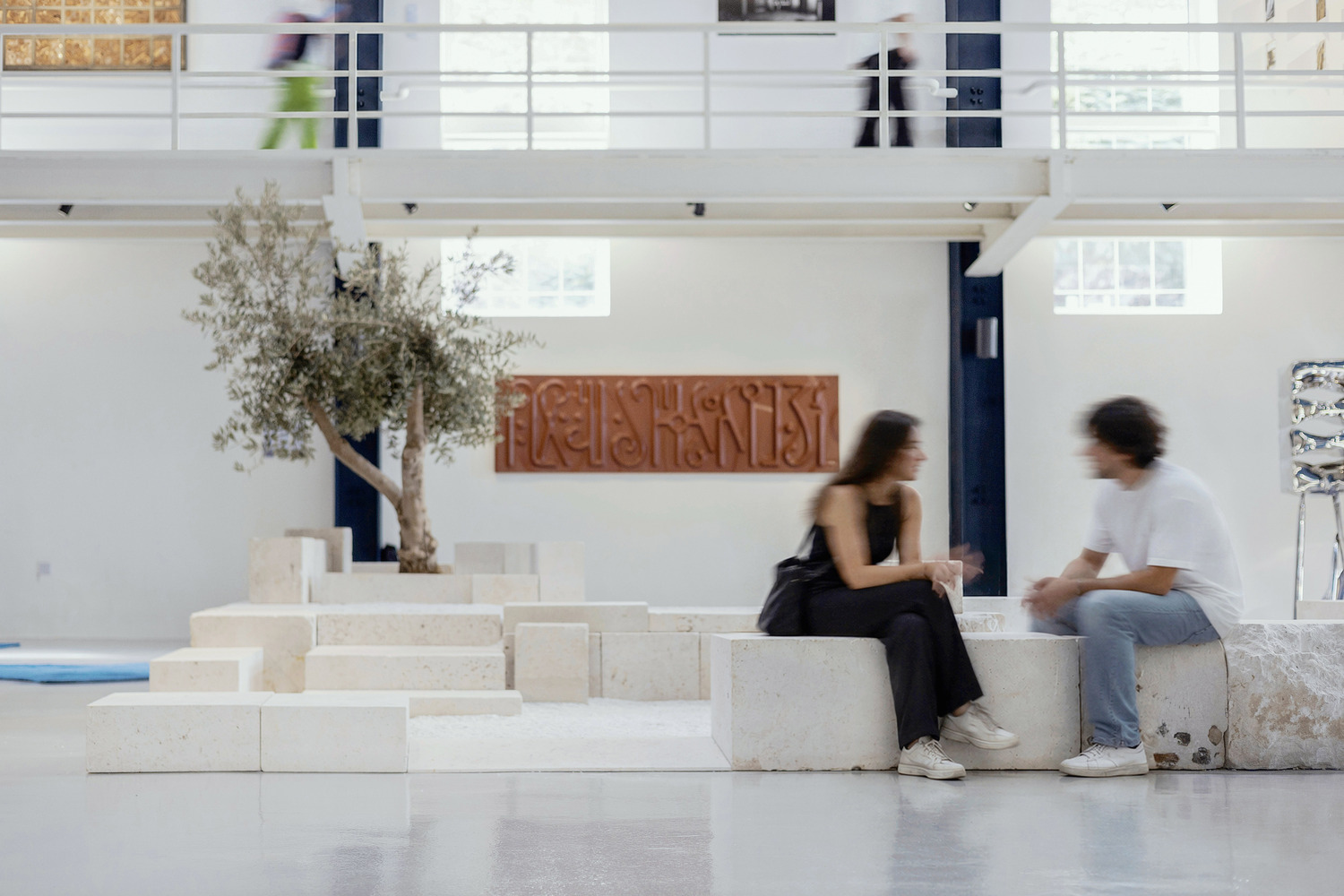
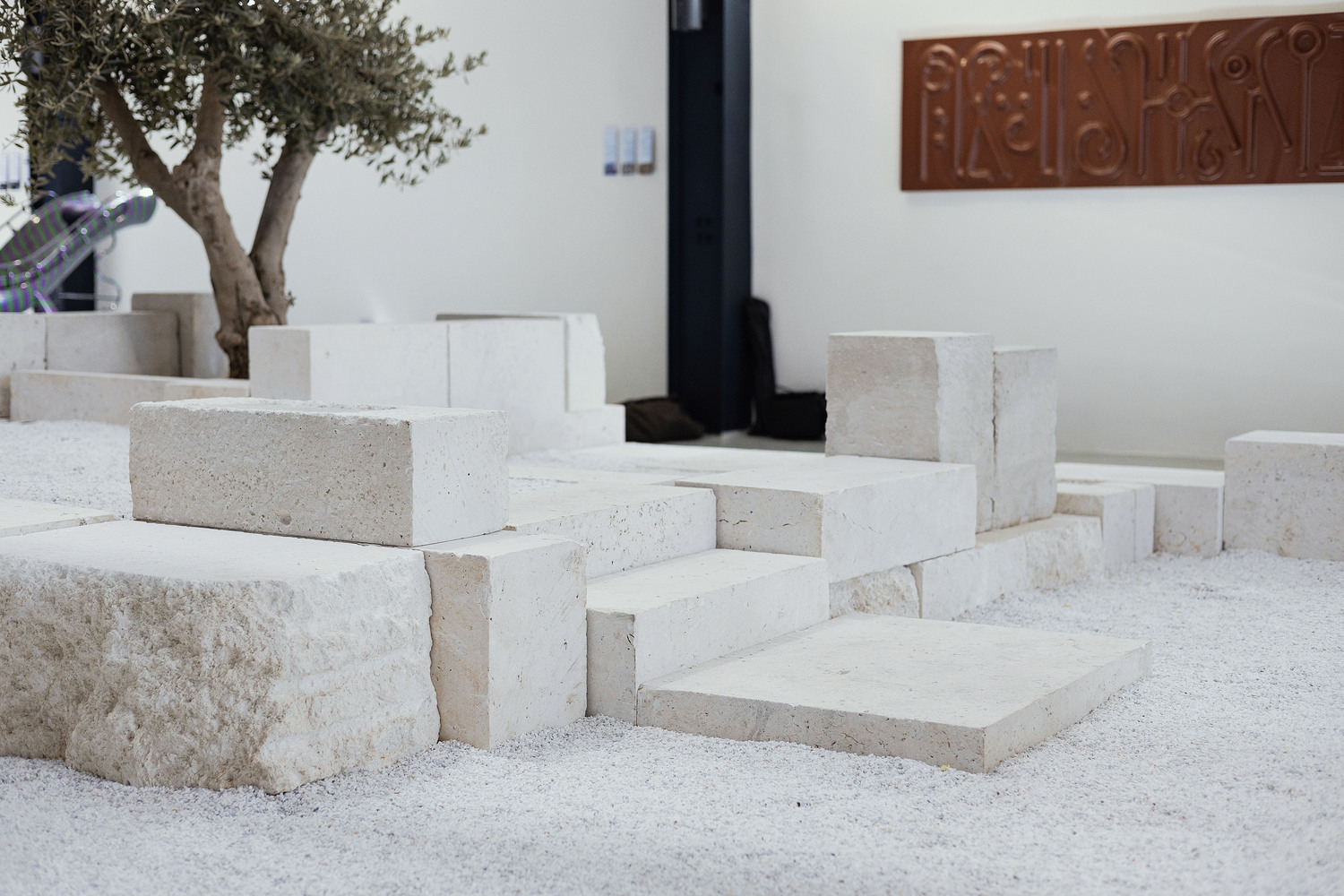
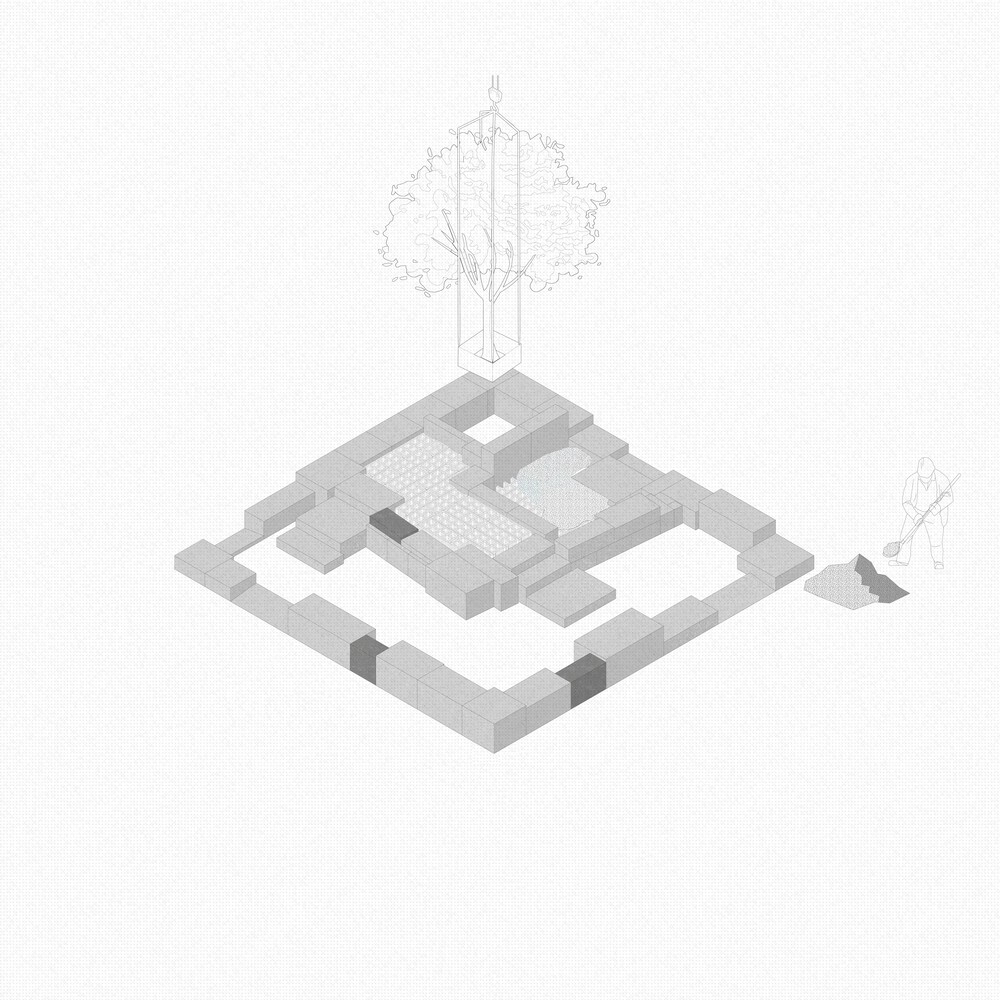
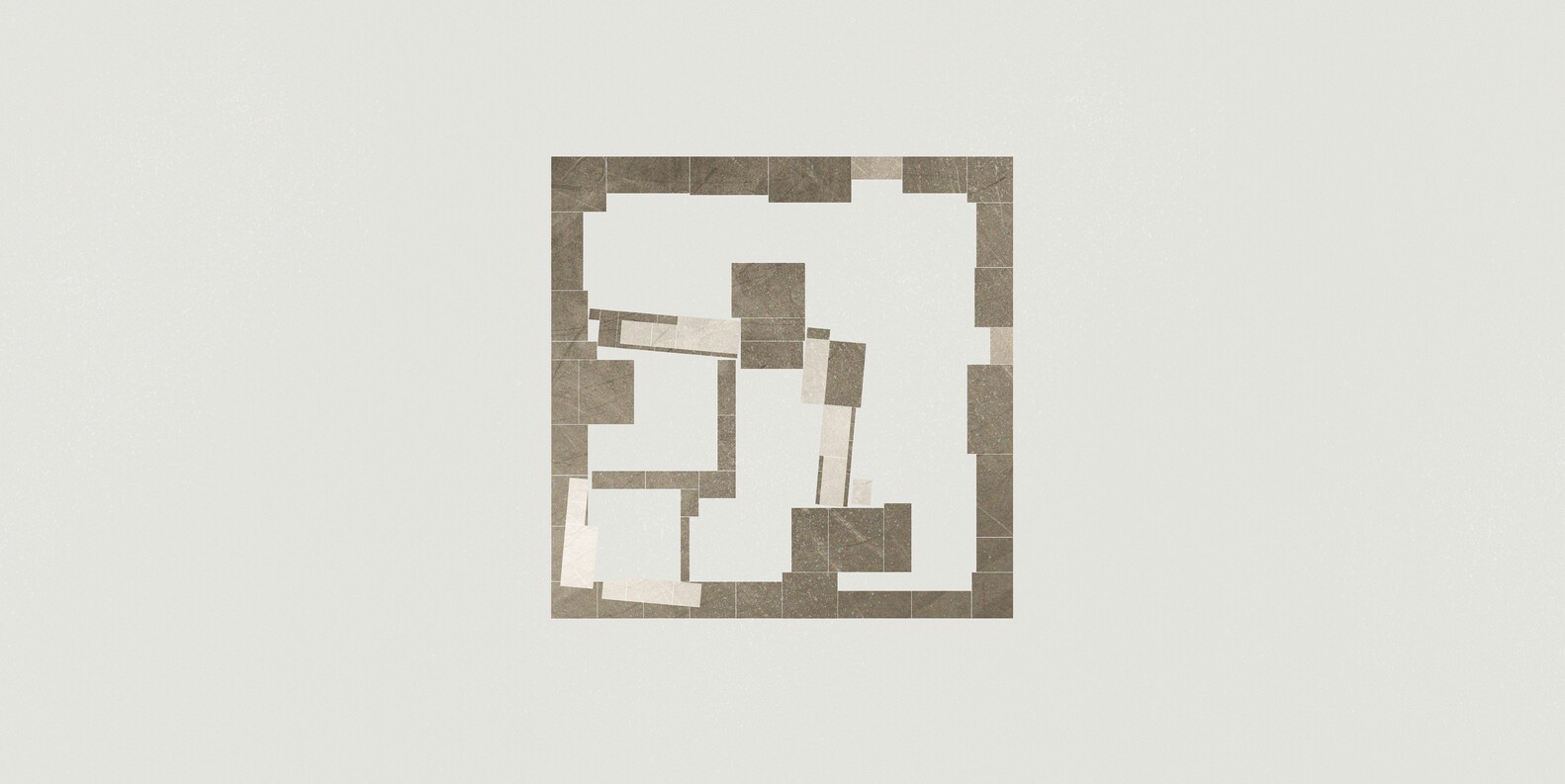
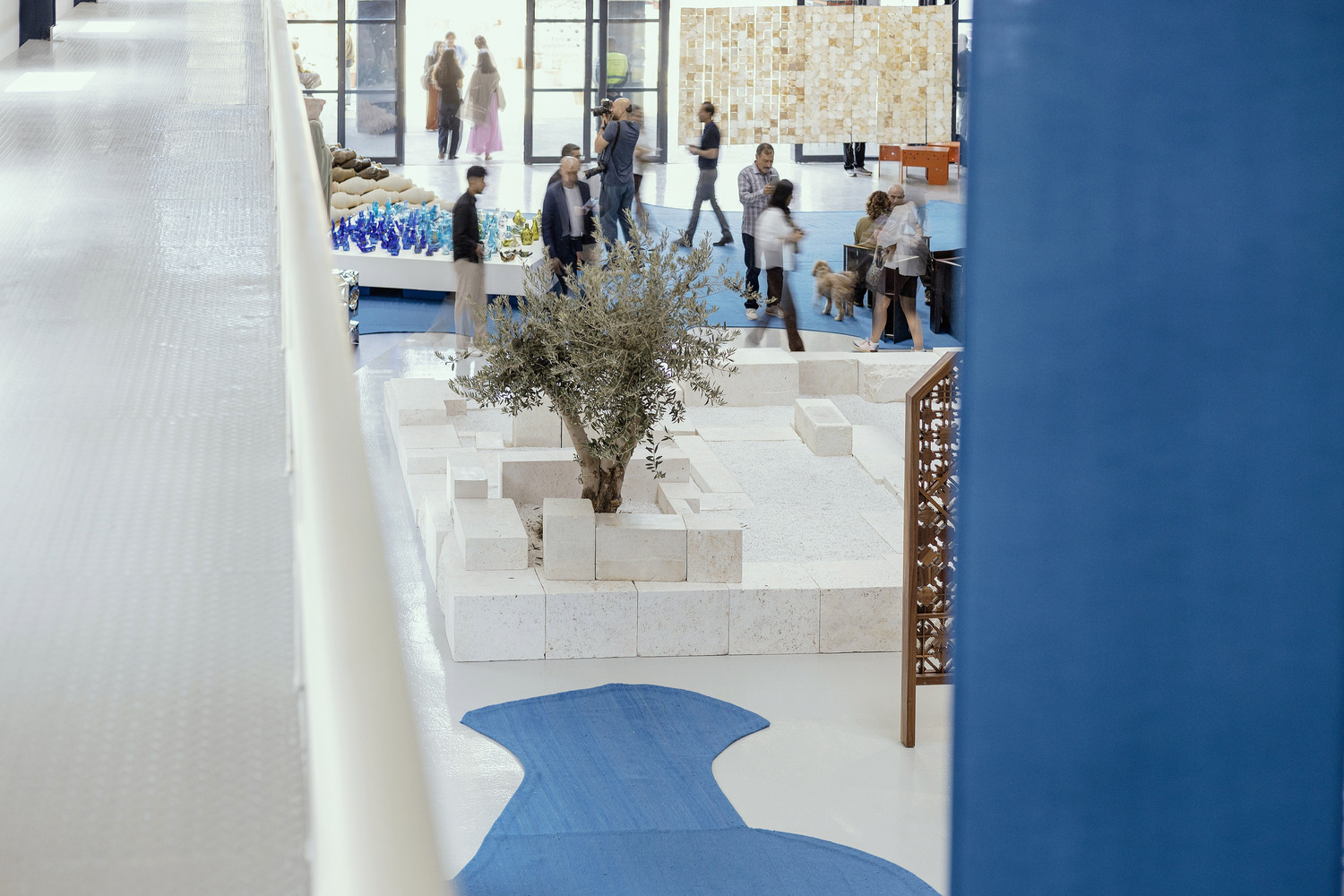
Locally sourced stone and precast concrete blocks establish a low, fragmented structure, while the gaps between them and the gravel-covered ground anticipate the gradual occupation of the work by nature, use, and time.
Its displaced blocks, interrupted edges, and partially buried appearance evoke the ambiguity of a ruin: a structure that might have been unearthed, abandoned, or gradually reabsorbed into the ground.
Rather than presenting a fixed and finished composition, Al-Mastaba remains open to transformation.
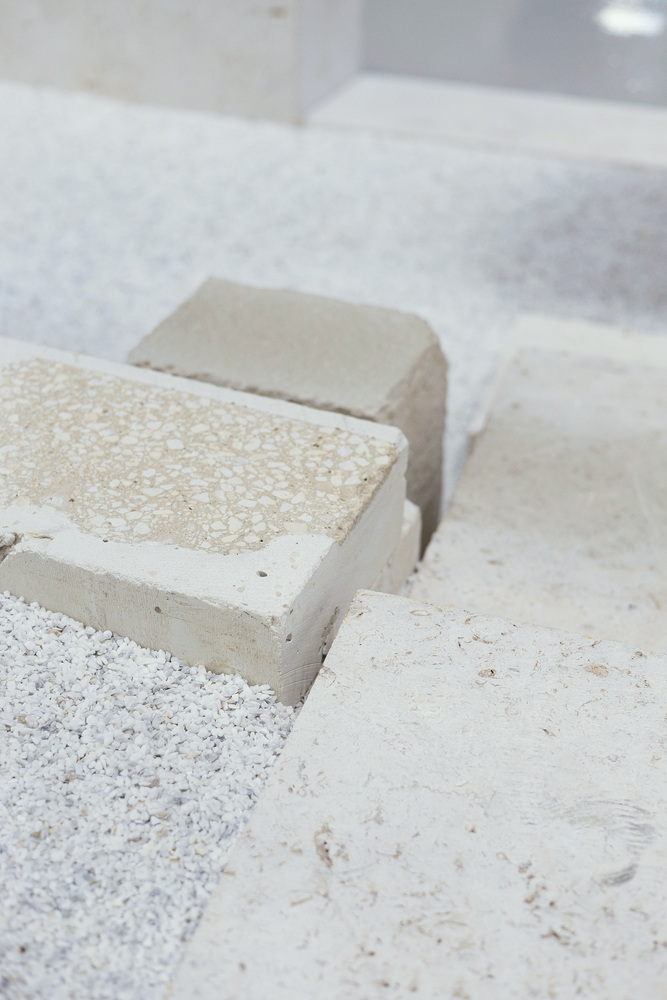
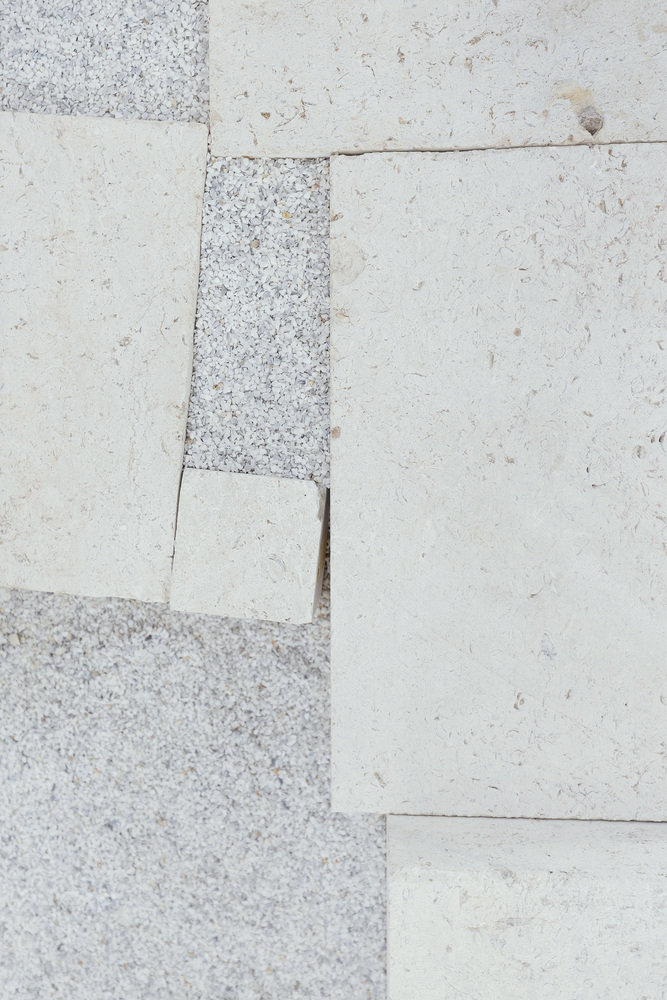
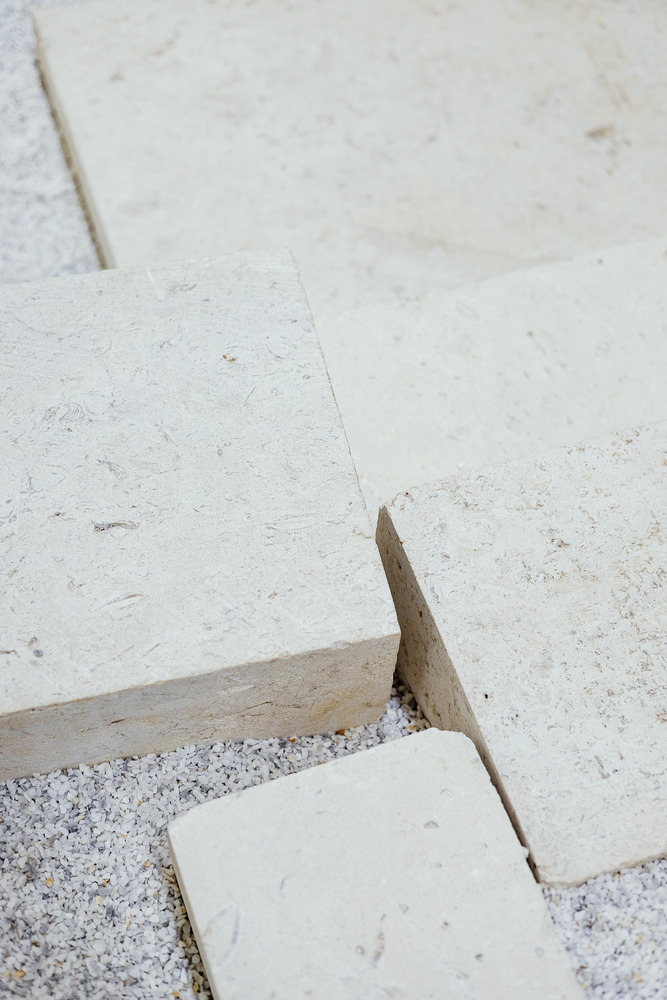
It may accommodate future insertions, be rearranged to serve new functions, or, if left untouched, gradually become a planter in which vegetation takes root.
Its apparent incompleteness is intentional, allowing for a future that cannot be entirely predetermined by its designers.
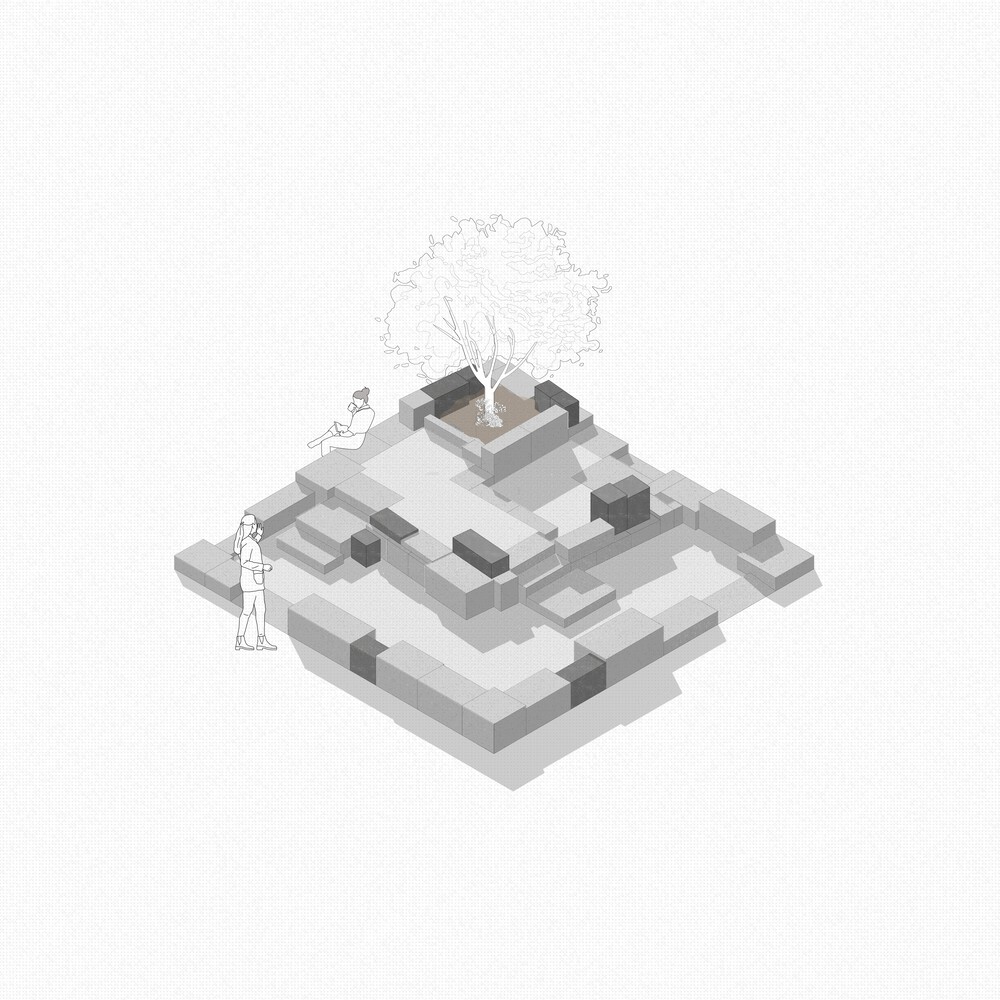
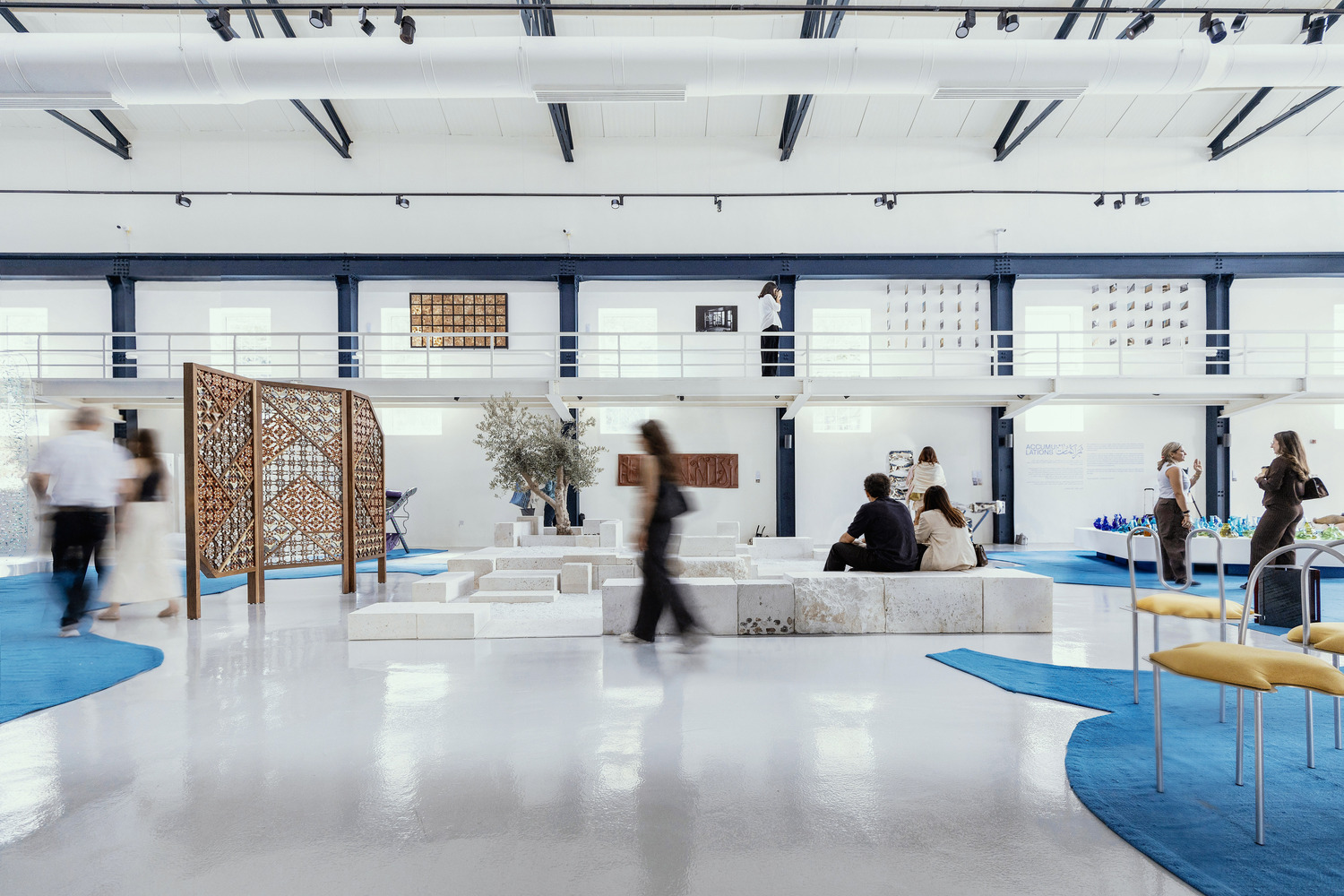
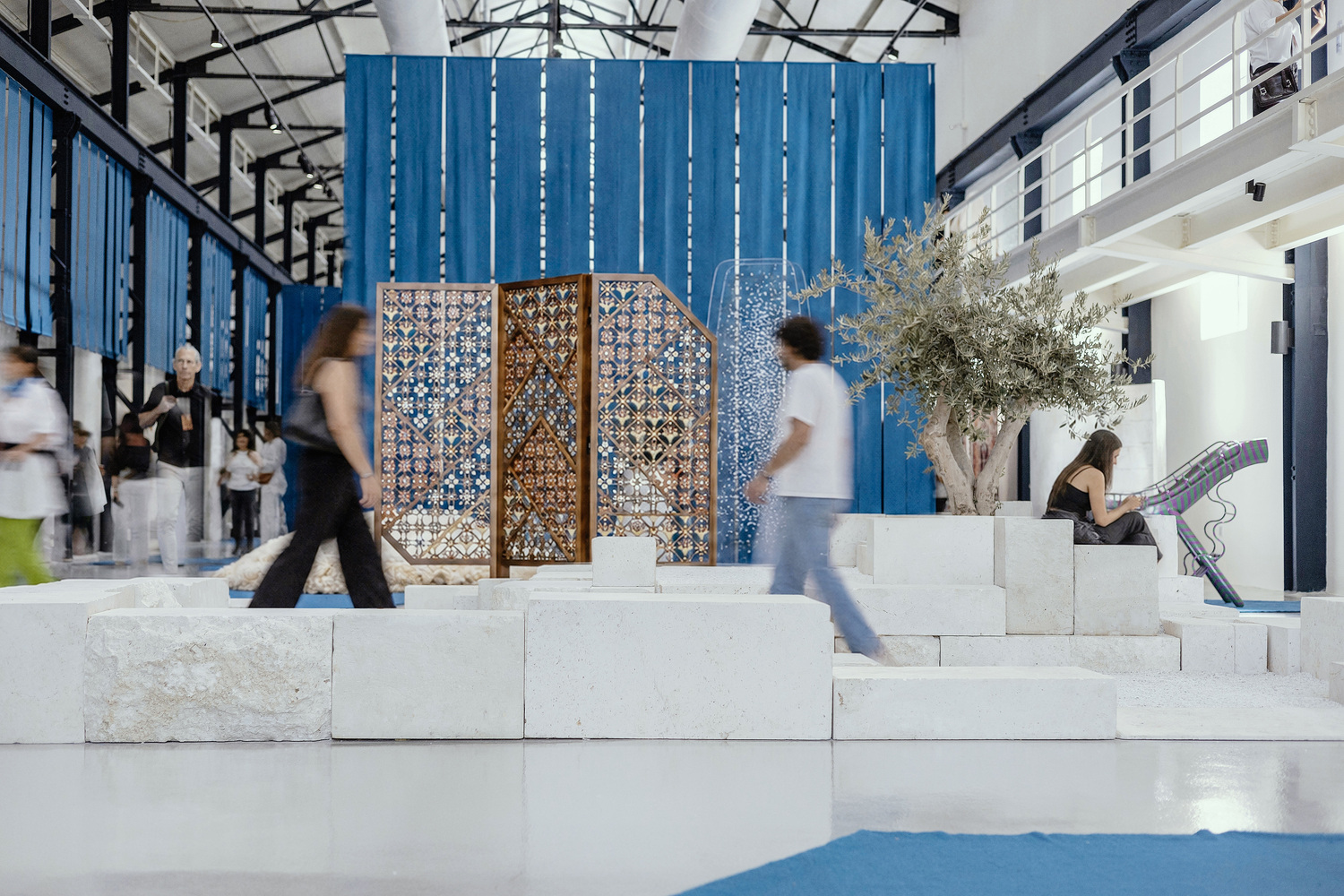
At the same time, Al-Mastaba is not merely an abstract proposition about time. During Amman Design Week 2026, it became a place to sit, rest, gather, and converse.
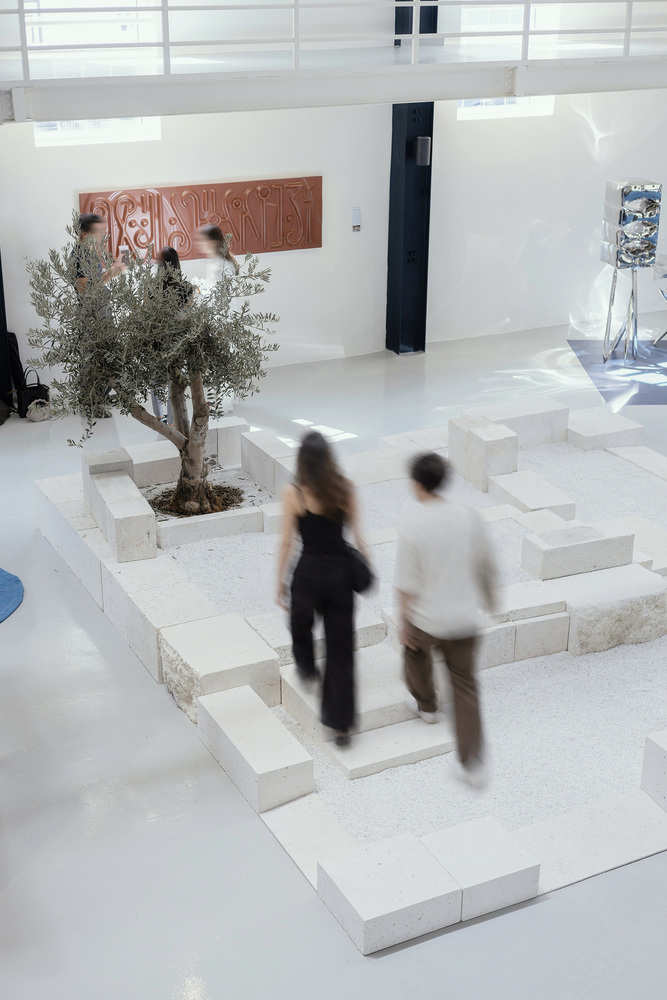
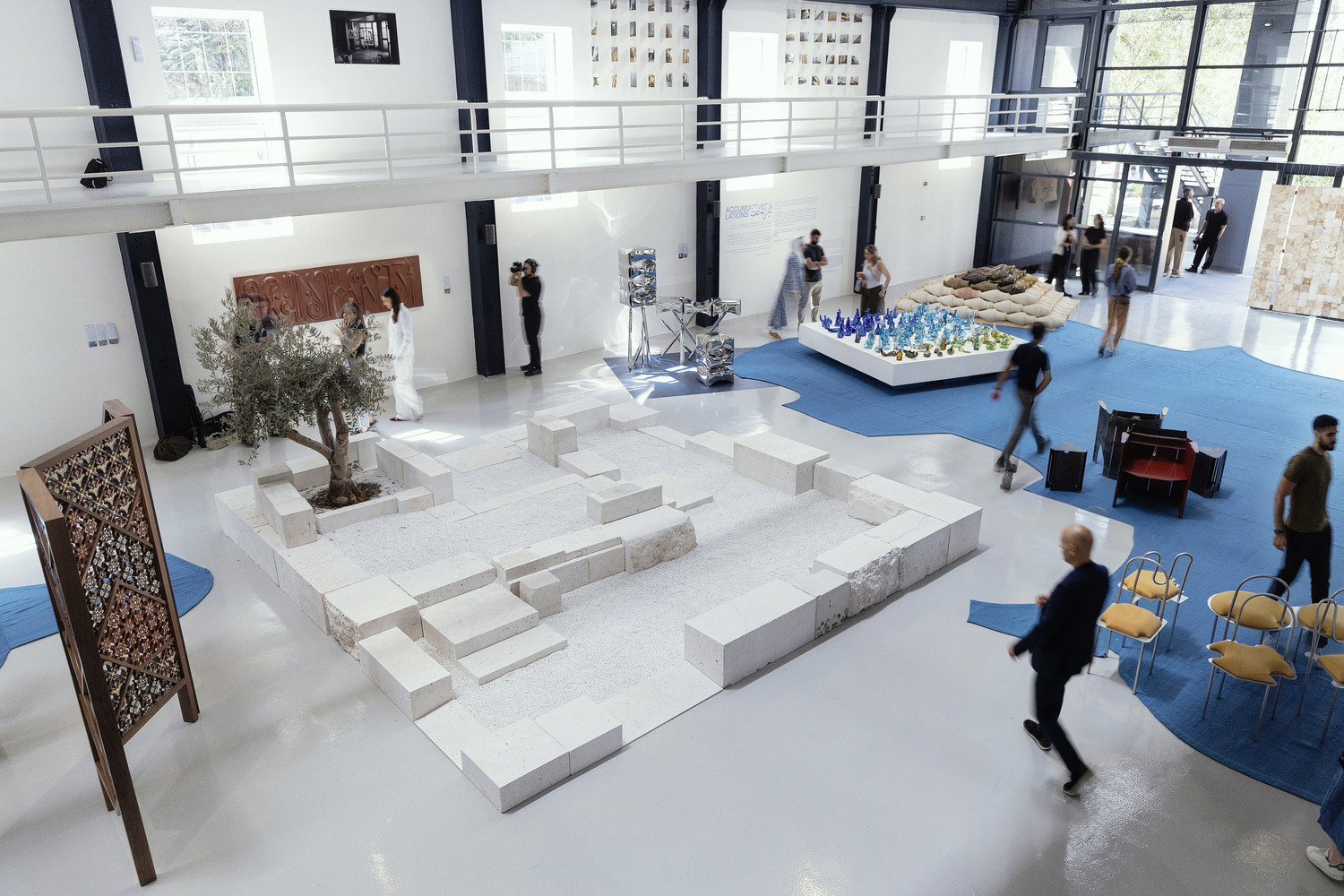
The presence of visitors demonstrated how a simple arrangement of materials could support social encounters and moments of pause.
Through inhabitation, the installation moved beyond its physical composition, becoming a setting for life and beginning to accumulate the very experiences it proposes to accommodate.