Deja Vu Recycled Store
DEJA VU RECYCLED STORE
Offhand Practice
ARCHITECTS
Offhand Practice
LEAD ARCHITECTS
Nie Xuan, Yuan Yuan, Li Yue, Lin Chenxi
PHOTOGRAPHS
Yanyun Hu
AREA
700 m²
YEAR
2021
LOCATION
Beijing, China
CATEGORY
Retail Interiors
English description provided by the architects.
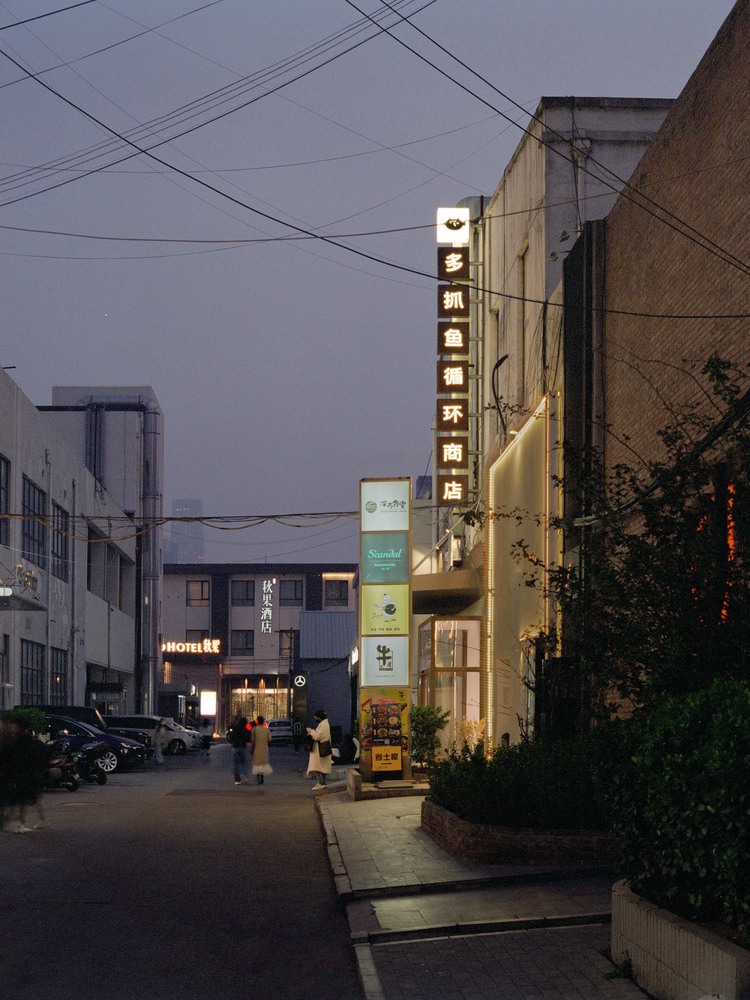
Inside the Beijing Electromechanical Institute compound, trendy shops and creative studios sit alongside abandoned factories, while stylish young people walk beneath withered ivy.
Deja Vu Recycle Store calls this neighborhood home—a place defined by striking contrasts, where old and new intertwine. The first time we saw the site, we were struck by a sense of ruin.

Dead vines crawled up the exterior walls, tangled wires hung loose, a long-abandoned garbage shed stood in the corner, and a massive old chimney dominated the center.
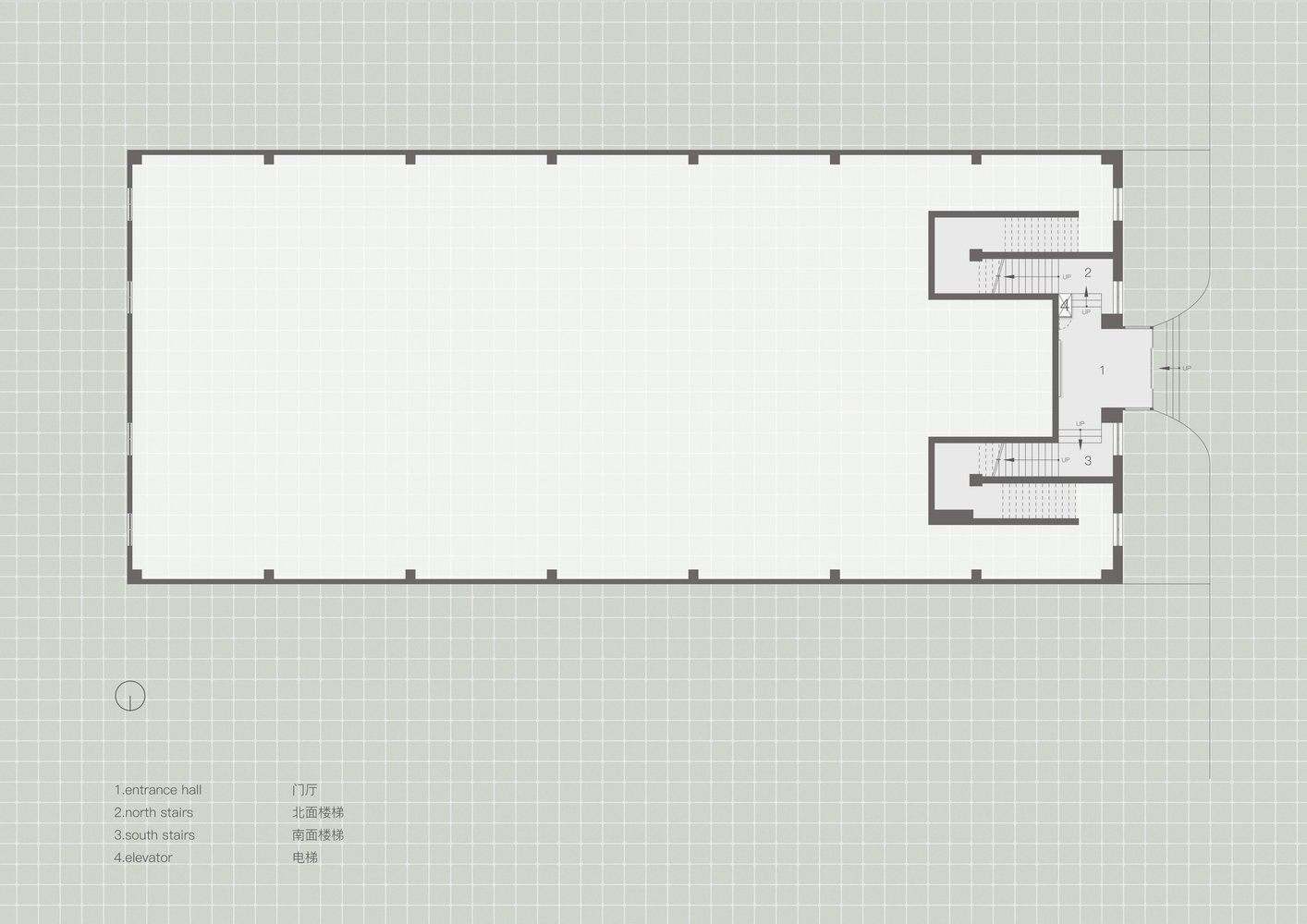
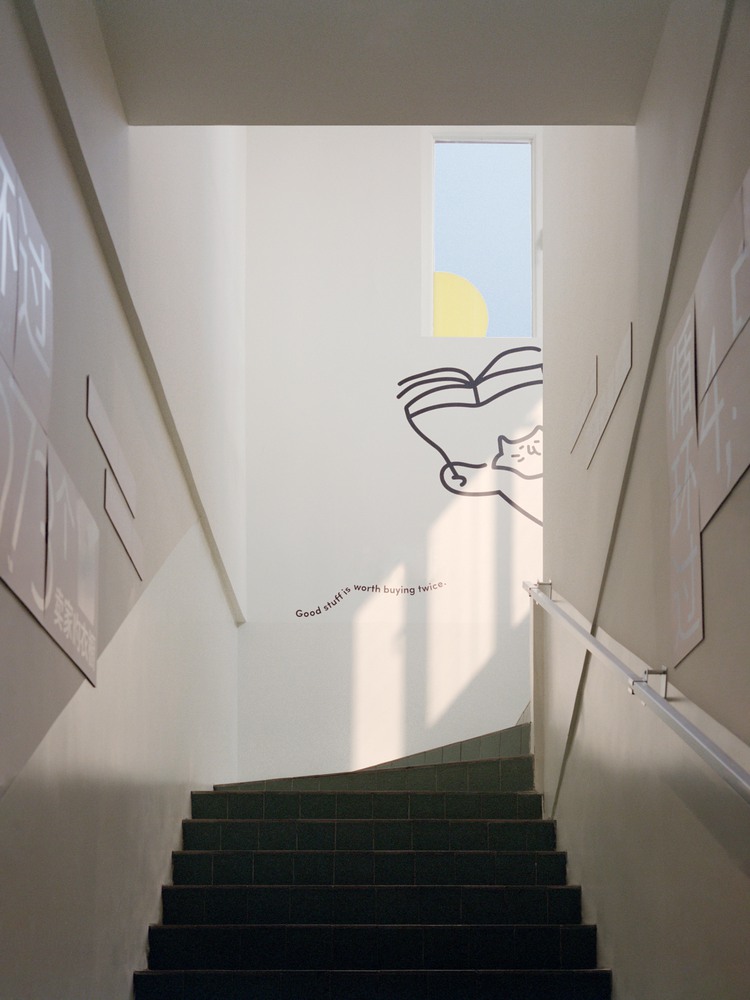
But as we passed through the foyer and ascended to the second floor, the symmetrical windows on the north and south sides opened up, along with the skylights above, letting sunlight pour in. The entire space brightened, feeling like a bustling old railway station from another era.
Deja Vu is a tech company built on the secondhand economy. When resources grow scarce, and people return to the basics, recycling becomes how we live—and that, in itself, is cyberpunk:
the juxtaposition of high tech and low-end living, the coexistence of ruin and futurity. Once they pointed out this thread, we looked back at that space—worn yet bright—and suddenly, it all fell into place.
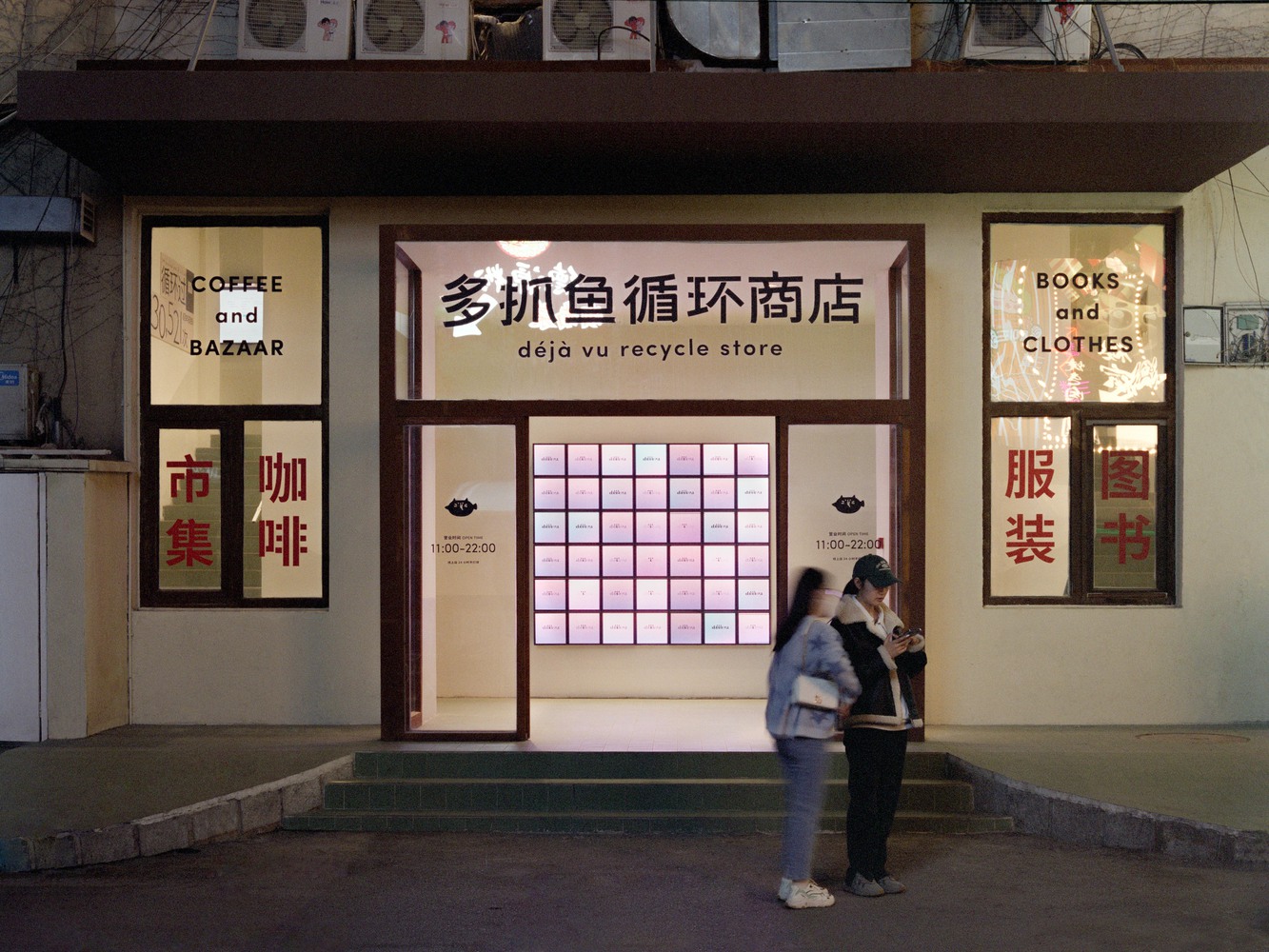
So we decided not to conceal the site's decay, but to respect it as it was. With that constraint—and cyberpunk in mind—we designed the facade to sit upon the ruin, installing light boxes outside the old walls, letting the 'new' speak directly to the 'old'.
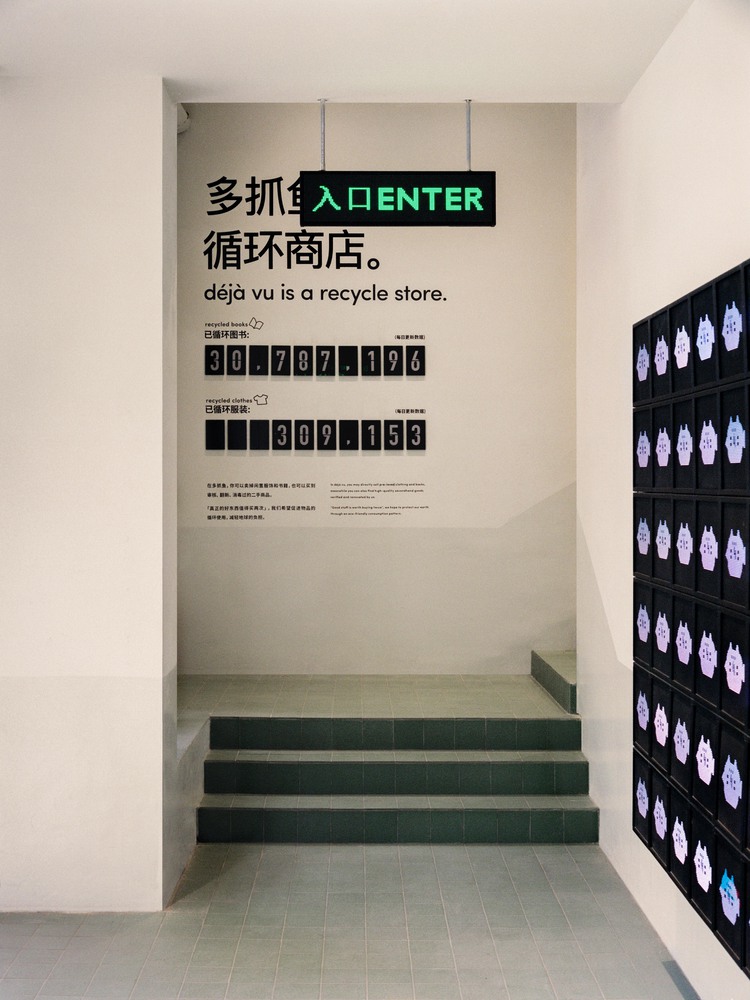
Entering the foyer, 42 electronic screens flicker to life with Deja Vu's playful visual symbols, while data screens on the stairwell track, in real time, how many books and clothes have been recycled to date—each second-hand item's journey faithfully recorded.
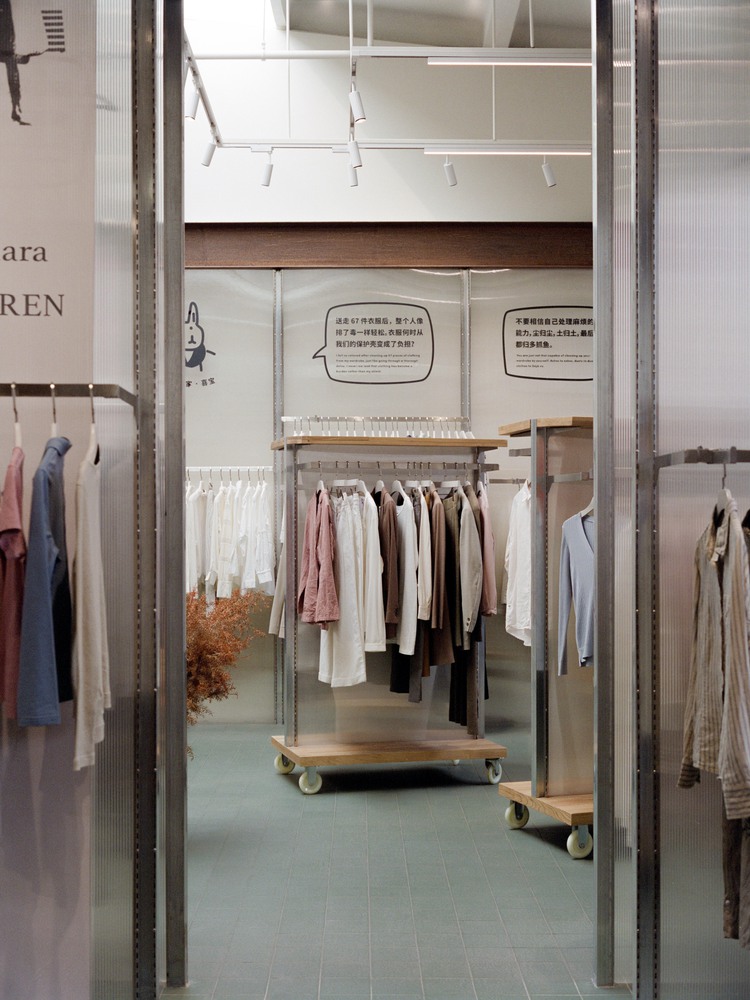
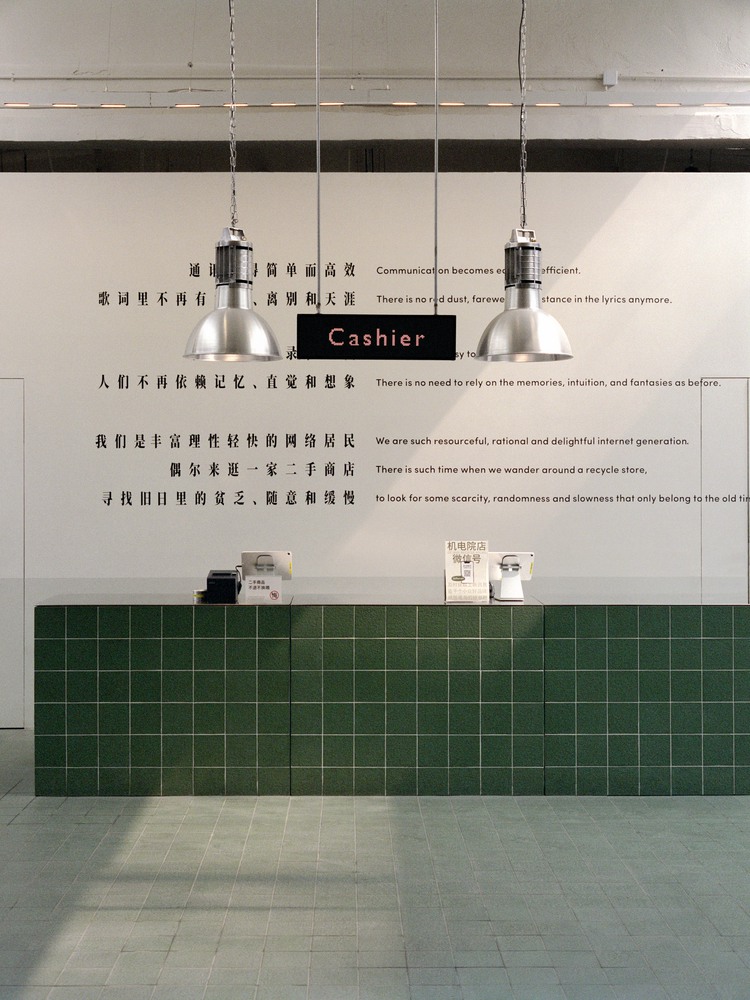
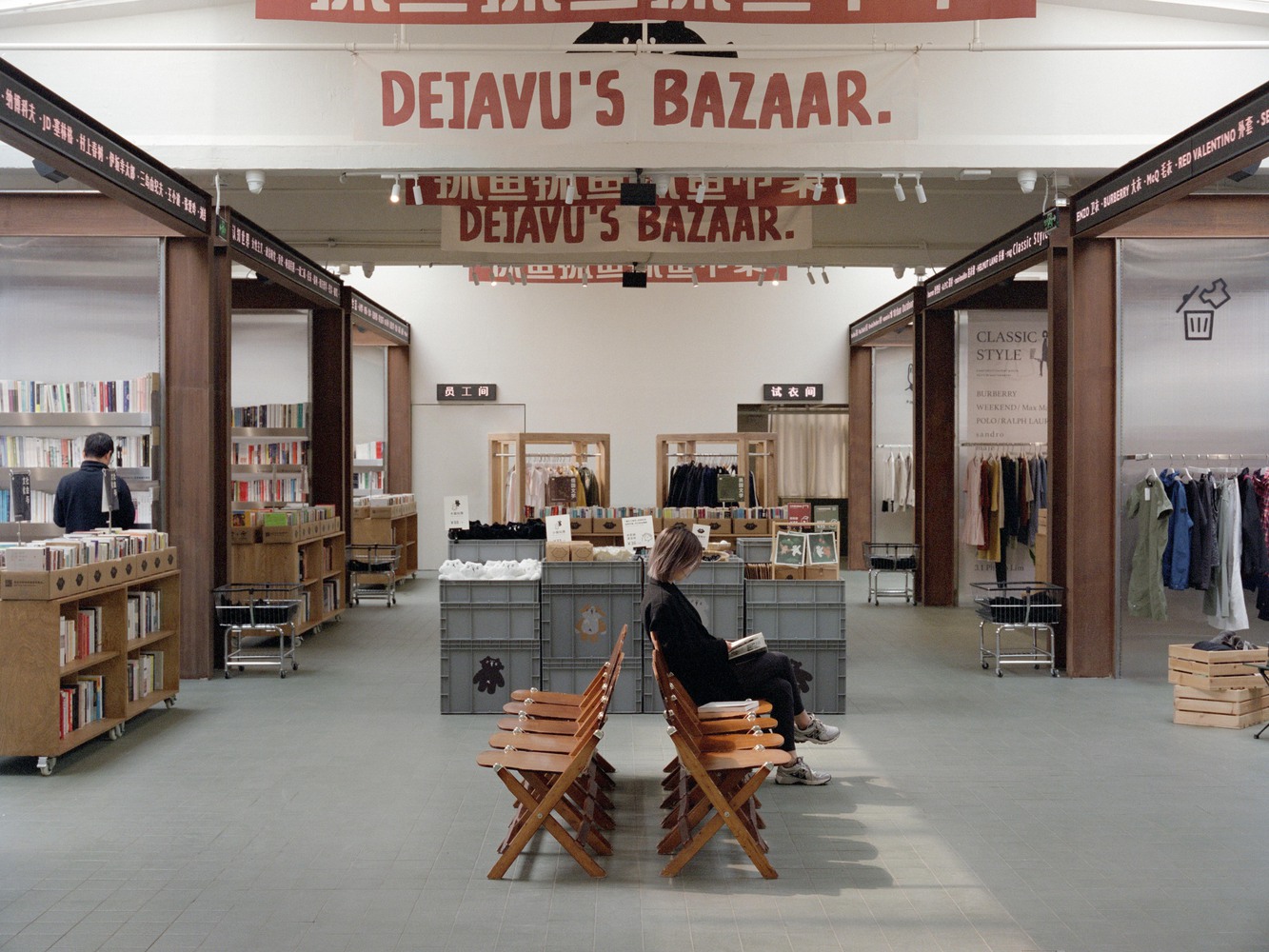
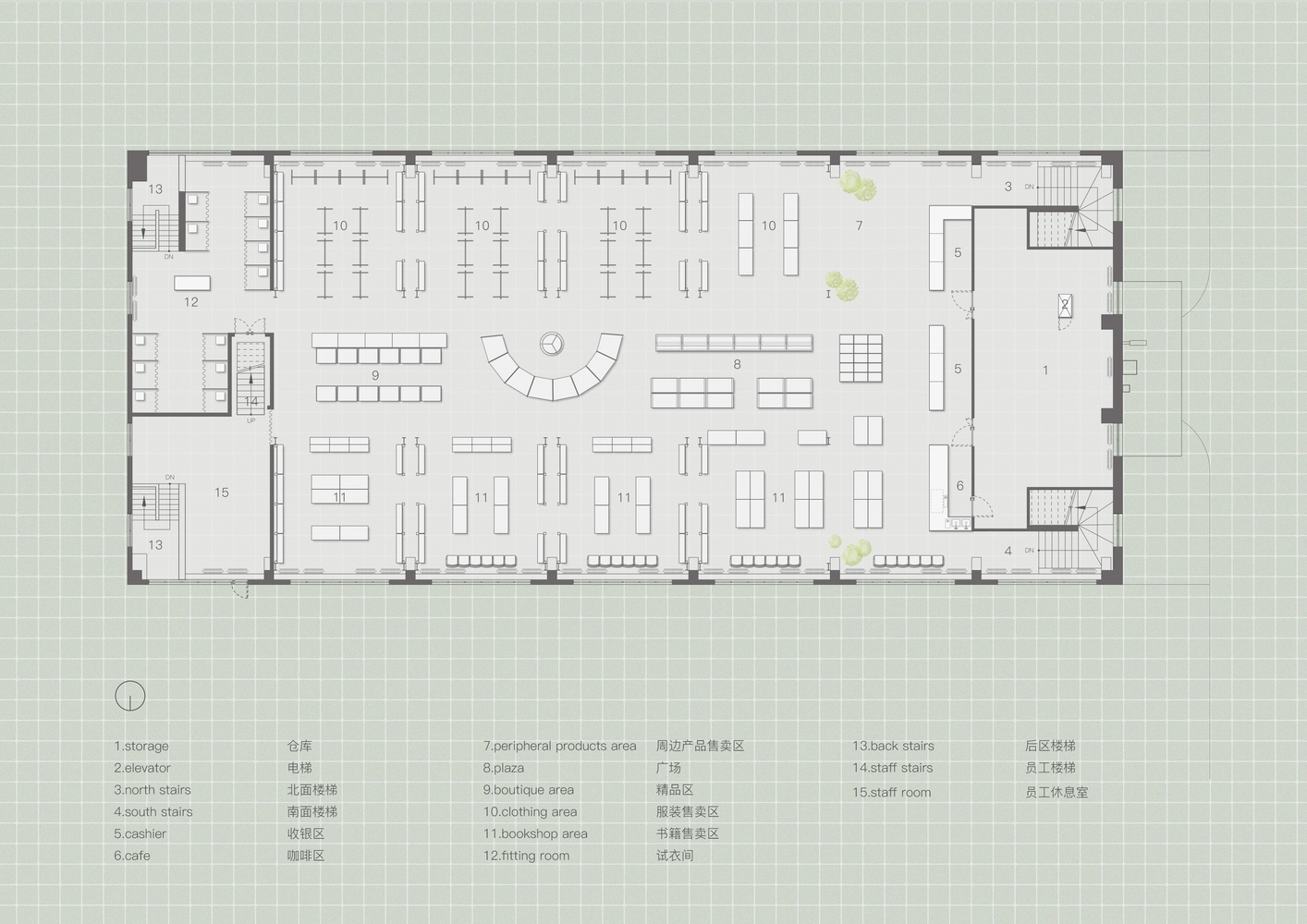
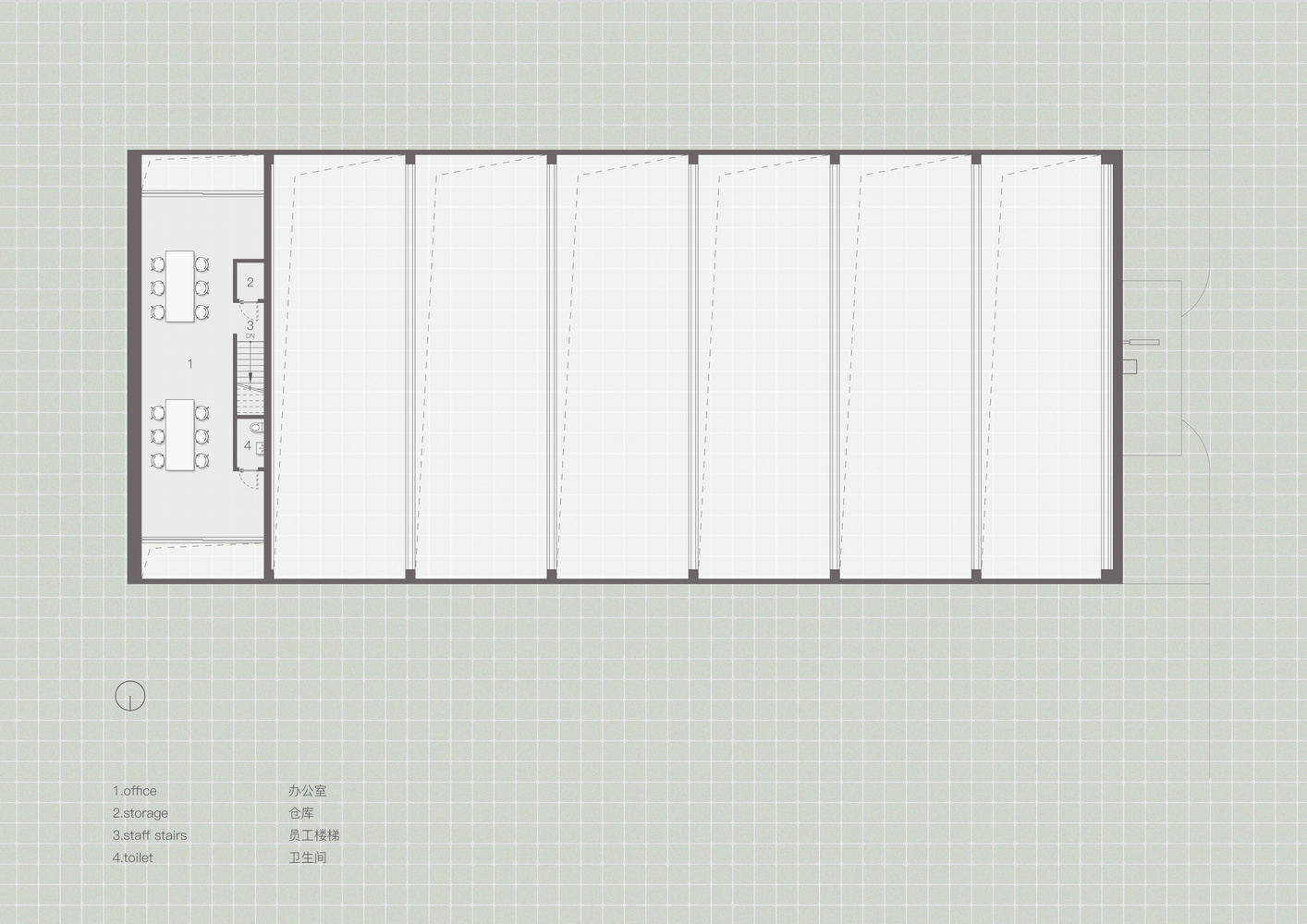
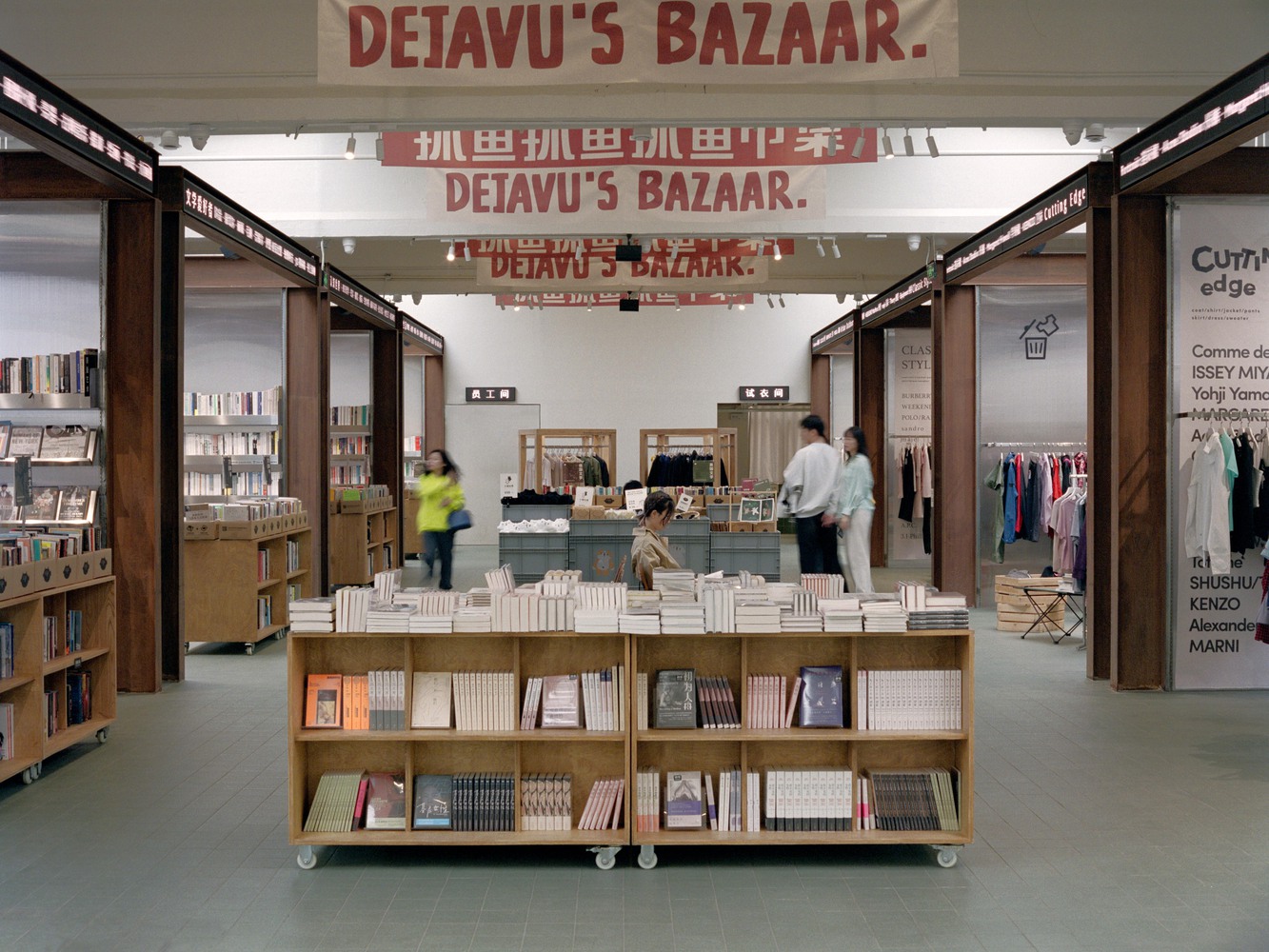
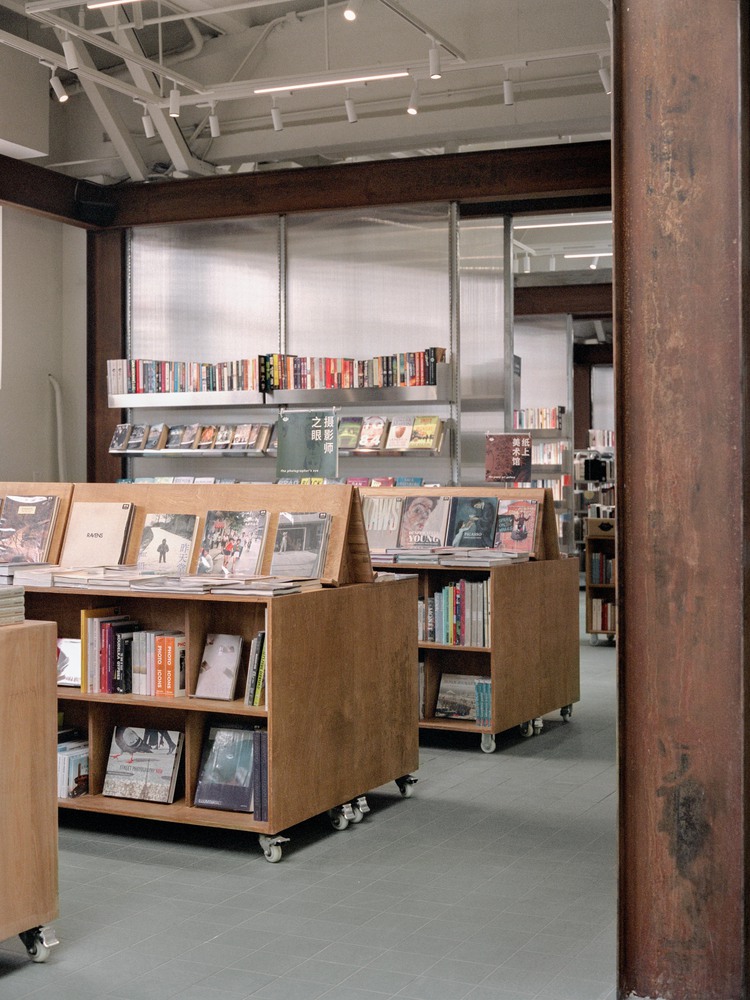
Up the long, narrow stairs, we arrive at the recycle store. Following the site's existing beams and columns, we positioned eight corten steel frames—each constructed from I-beams—to define display areas on both sides, leaving a central 'plaza' at the heart of the space.
Light pours through the skylights, spilling onto the floor like patches of sunlight in a bustling market inside an old railway station.
Green paver tiles, extending from the entrance sidewalk all the way into the store, naturally guide passersby into this weathered railway station.

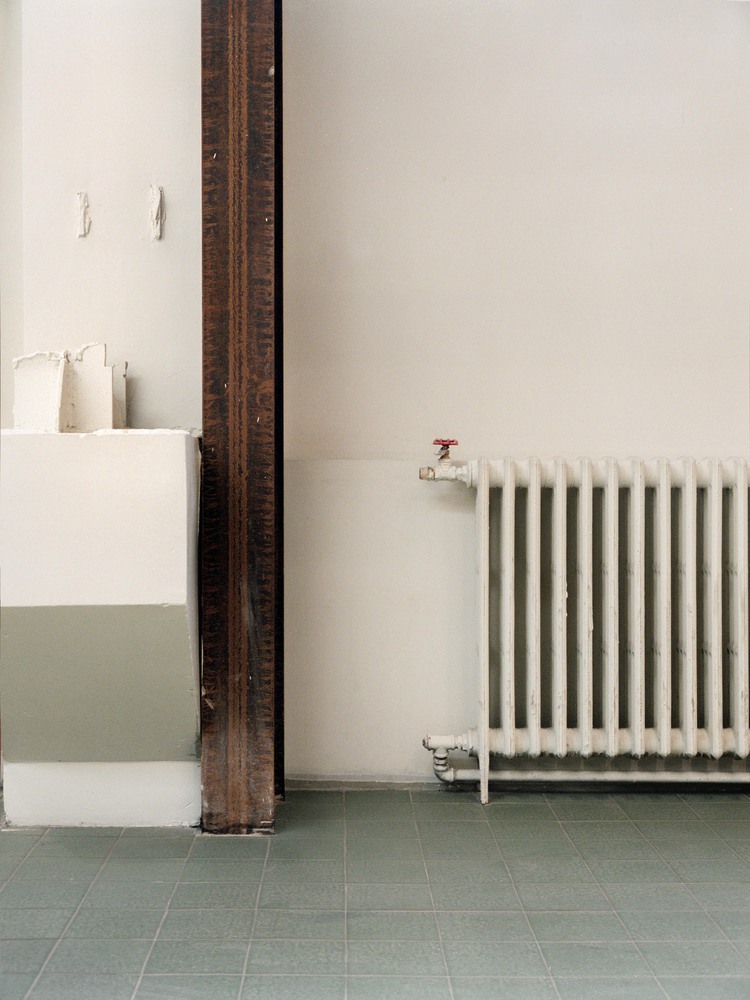
These eight steel frames form the skeleton of the space. For over a month, workers spent hours each day spraying salt water onto the I-beams, letting them rust.
Slowly, the once-cold steel grew into warm rust—as if it had always belonged to this old building, standing there all along. The structure frames are fixed, but the display systems they carry are flexible.
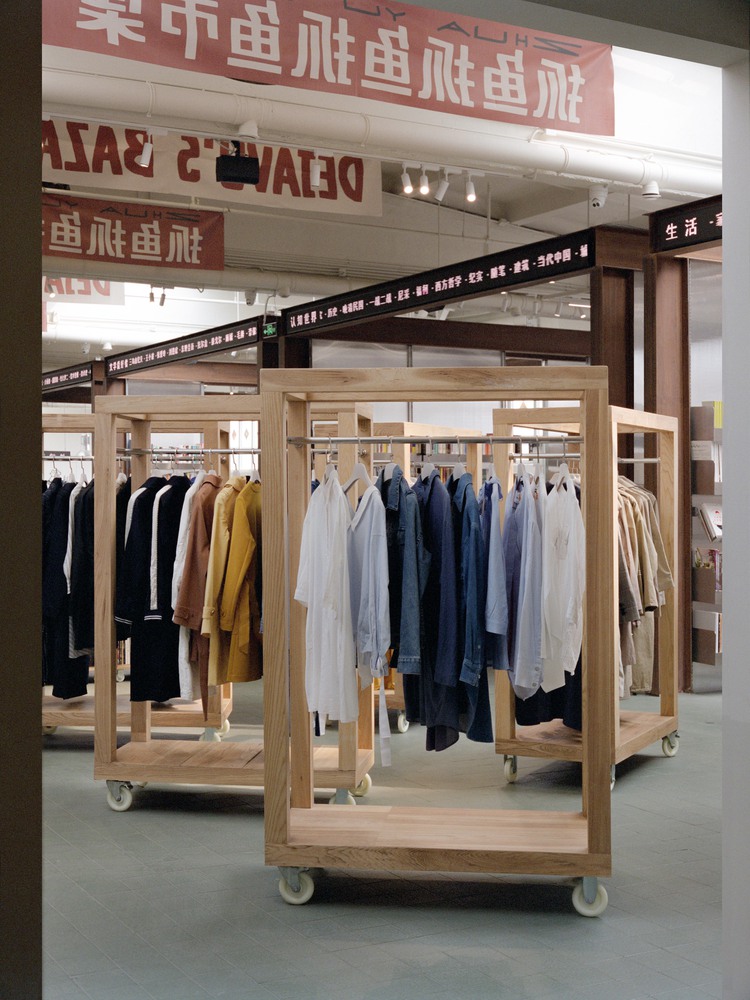
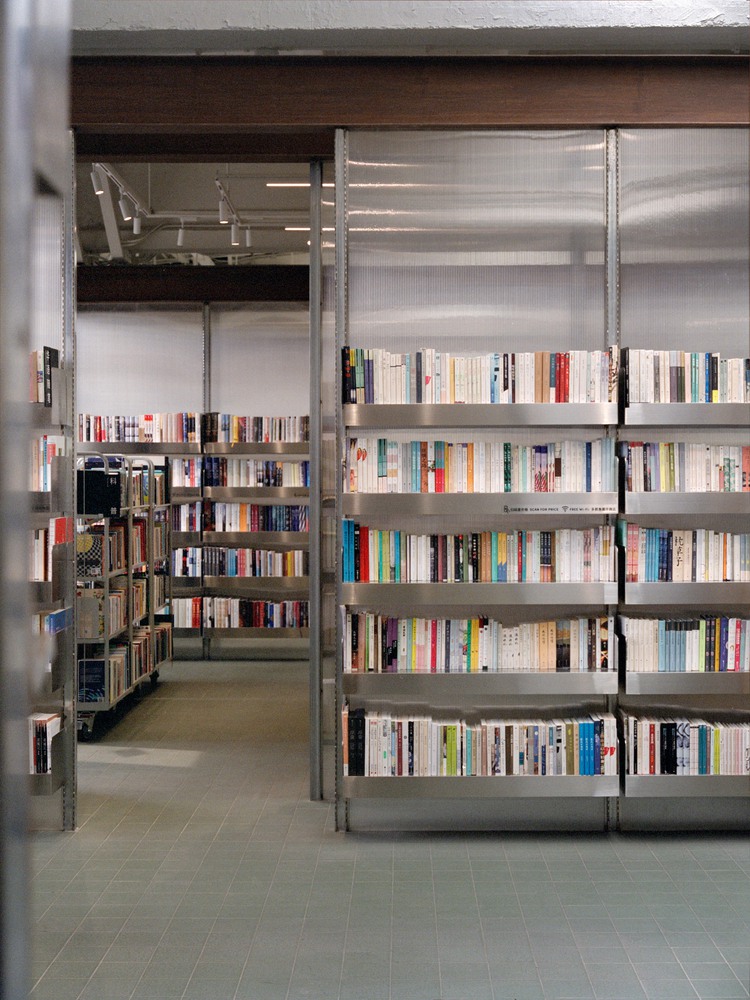
We used an A-post system that allows displays to be reconfigured at any time based on what's being shown.
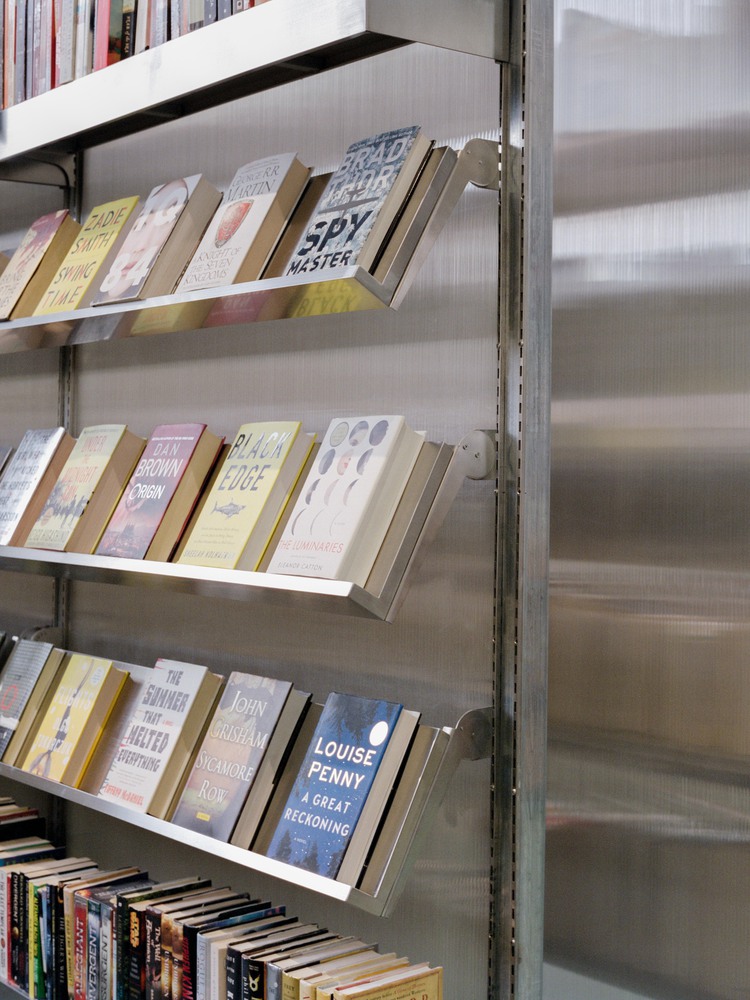
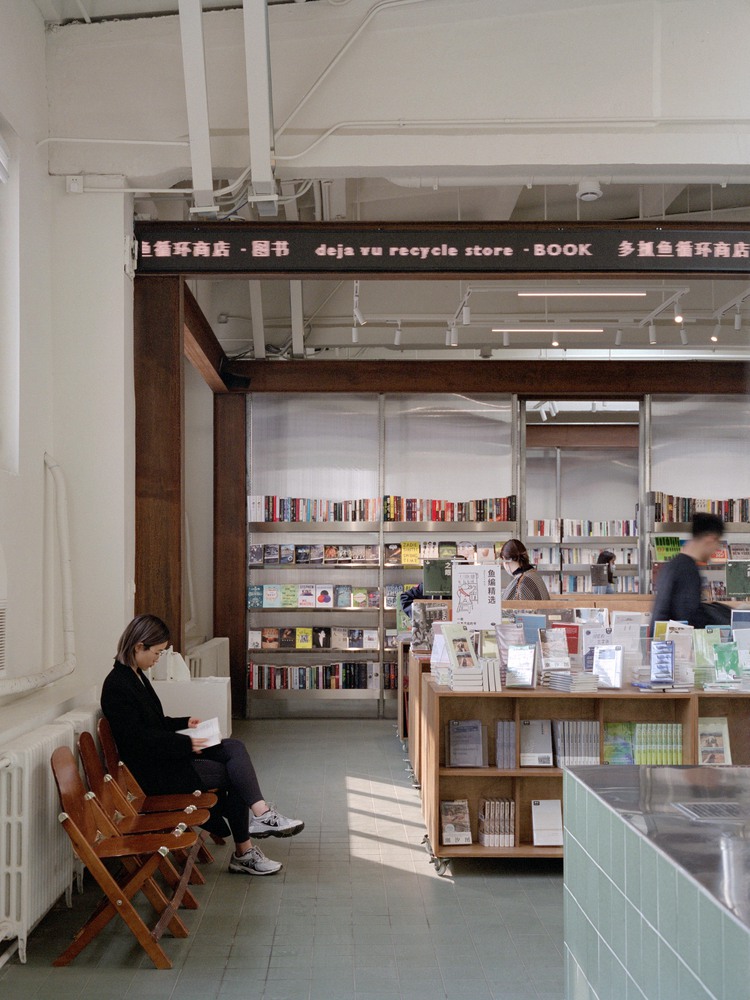
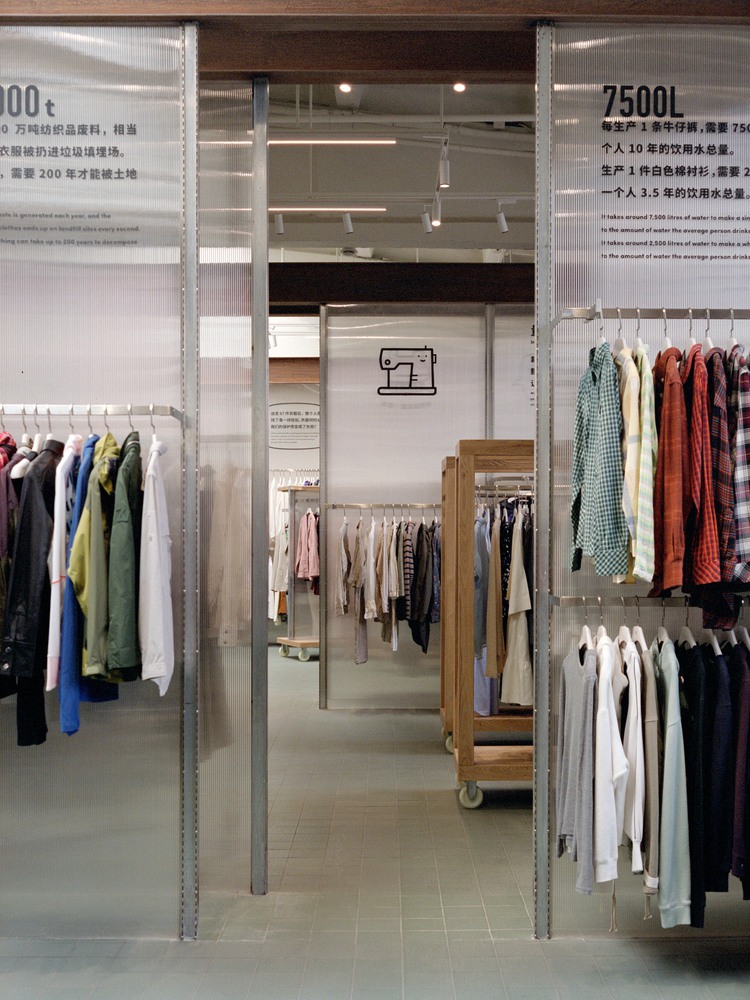
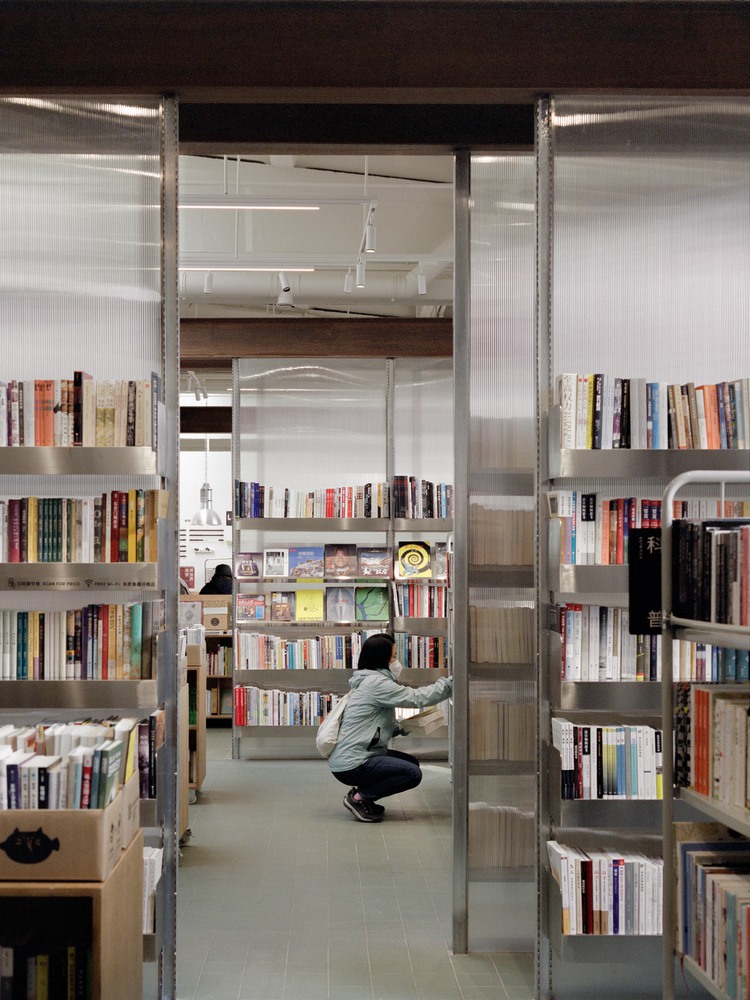
Translucent polycarbonate panels, set between the frames, serve as light-permeable dividers, allowing daylight to flow through while keeping the space open and bright.
Recessed within the I-beams, LED screens scroll through product information, their content always updatable—like real-time bulletin boards in this weathered railway station.
The movable solid wood fixtures come from old elm bookshelves reclaimed after the demolition of Deja Vu's Dawanglu store.
They were dismantled and turned into new pieces, just like the fitting room stools, simply assembled from second-hand books and common packing straps.
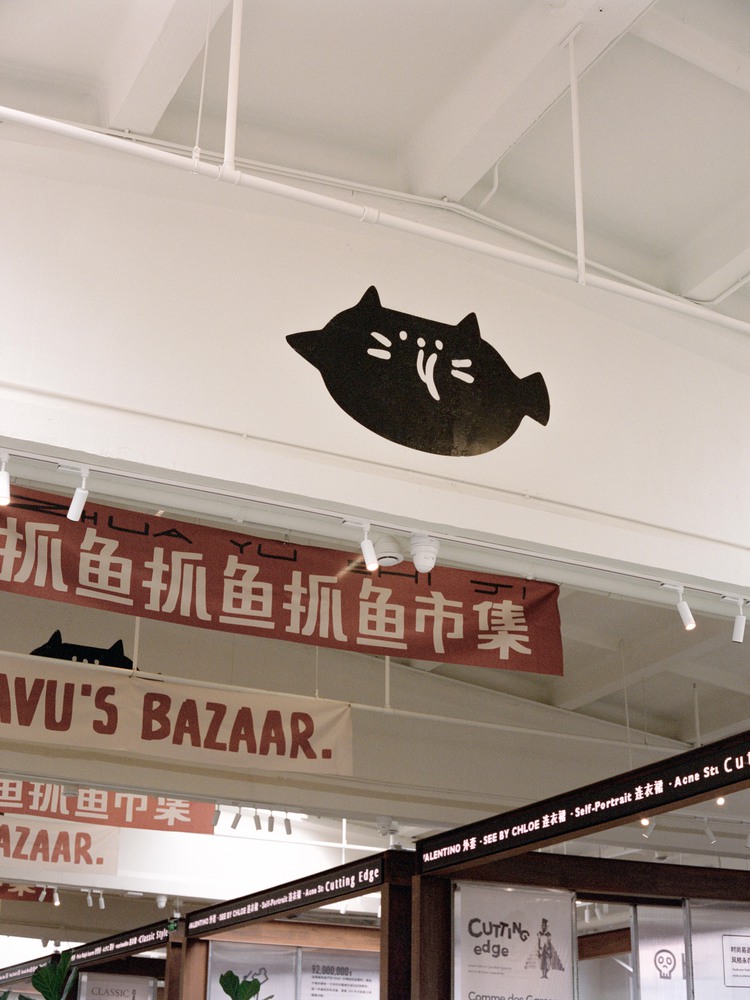
Here, materials once destined for disposal are given a second life, and each book completes its journey only to begin a new one.
Rusting steel frames, flickering screens, and people moving through—in this light-filled space, ruin and technology have grown together.
Like a station, always: strangers cross paths, linger for a moment, then drift apart. So too with the books and clothes that pass through here—this place is both their journey's end and the threshold to what comes next.