Awawa Interactive Science Museum
AWAWA INTERACTIVE SCIENCE MUSEUM
Morphism
ARCHITECTS
Morphism
DESIGN TEAM
Aquiles Jarrin, Bernardo Jarrin
DESIGN COORDINATION AND CREATIVE DIRECTION
Morphism
PRODUCTION
Proyectil
MUSEOGRAPHY AND GRAPHIC DESIGN
Karina Barragan
EXECUTIVE DESIGN
Paulina Flores
CLIENT
Fundación Museos De La Ciudad De Quito
PHOTOGRAPHS
JAG Studio
AREA
1500 m²
YEAR
2025
LOCATION
Quito, Ecuador
CATEGORY
Museums & Exhibit, Educational Architecture, Adaptive Reuse
English description provided by the architects.
HISTORICAL FACTS "LA INDUSTRIAL" TEXTILE FACTORY
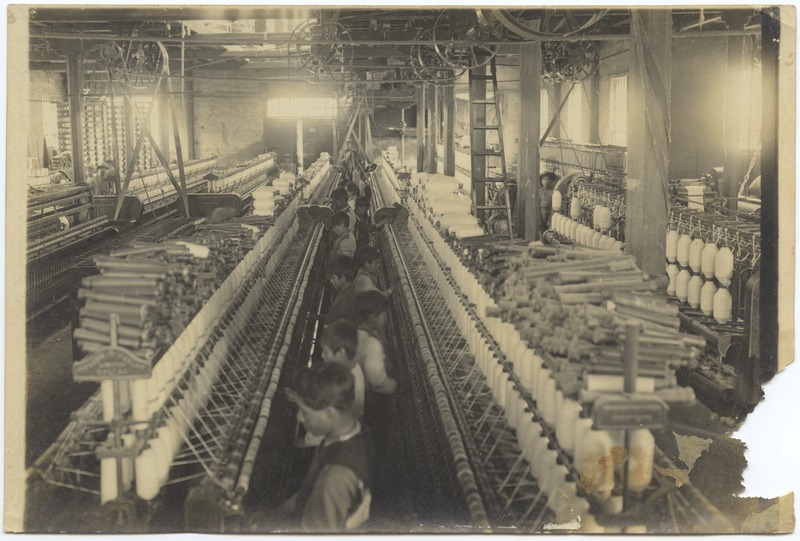
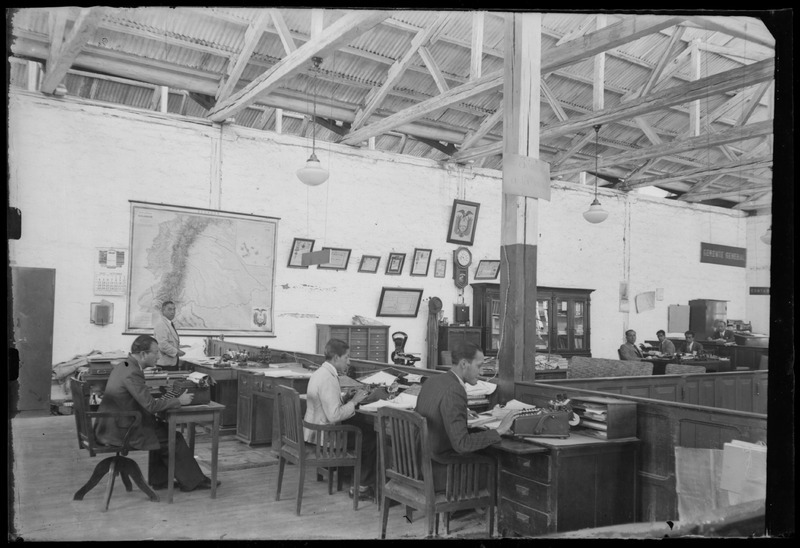
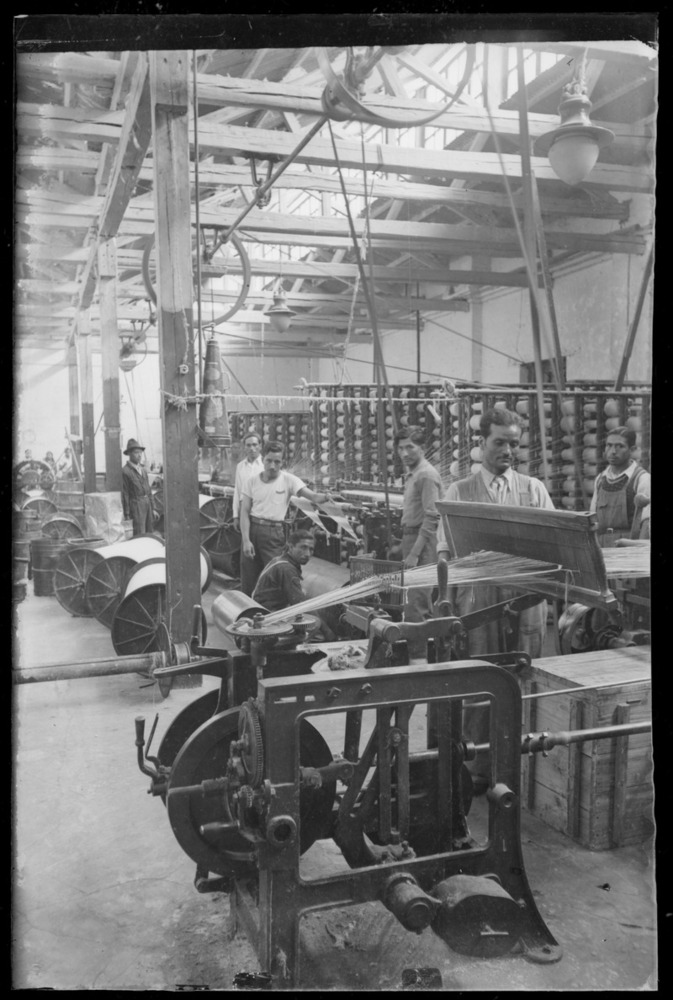
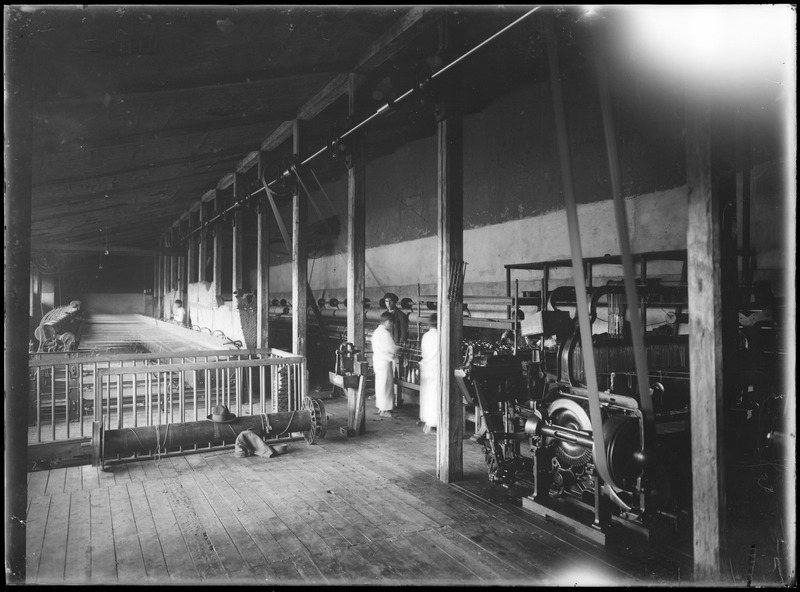
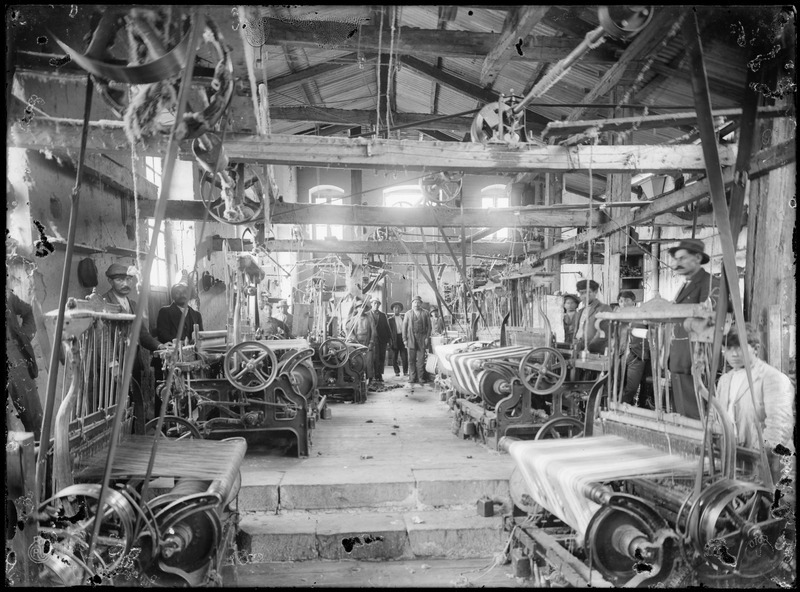
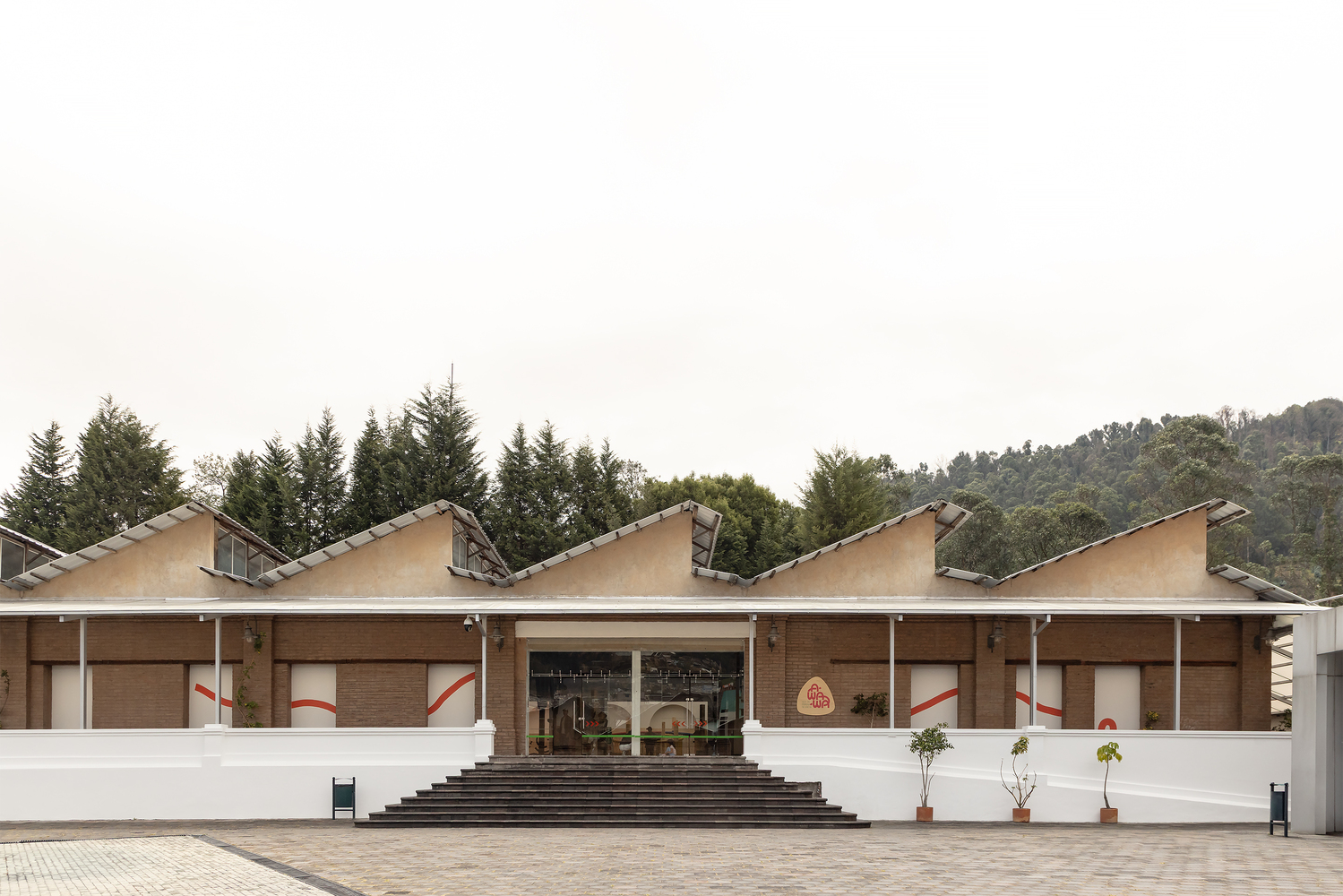
AWAWA is developed in the old factory "La Industrial." Built in the mid-20th century, the factory was one of the city's most prominent textile manufacturing complexes.
It is located in the Chimbacalle neighborhood, formerly a rural indigenous settlement known as Machangarilla, which connected the northern and southern parts of the city.
In 1908, the neighborhood began a transformation process: the arrival of the railroad and its main station in the Machangarilla area turned the neighborhood into an important production and commerce hub, accommodating factories like "La Industrial" and the "Royal Mills."
Thanks to job opportunities, the population increased, paralleling the city's growth, which exceeded previously defined boundaries.
Over time, the area lost its industrial and commercial activity, becoming a residential neighborhood, Chimbacalle, leading to the factory's closure and decades of neglect of the infrastructure.
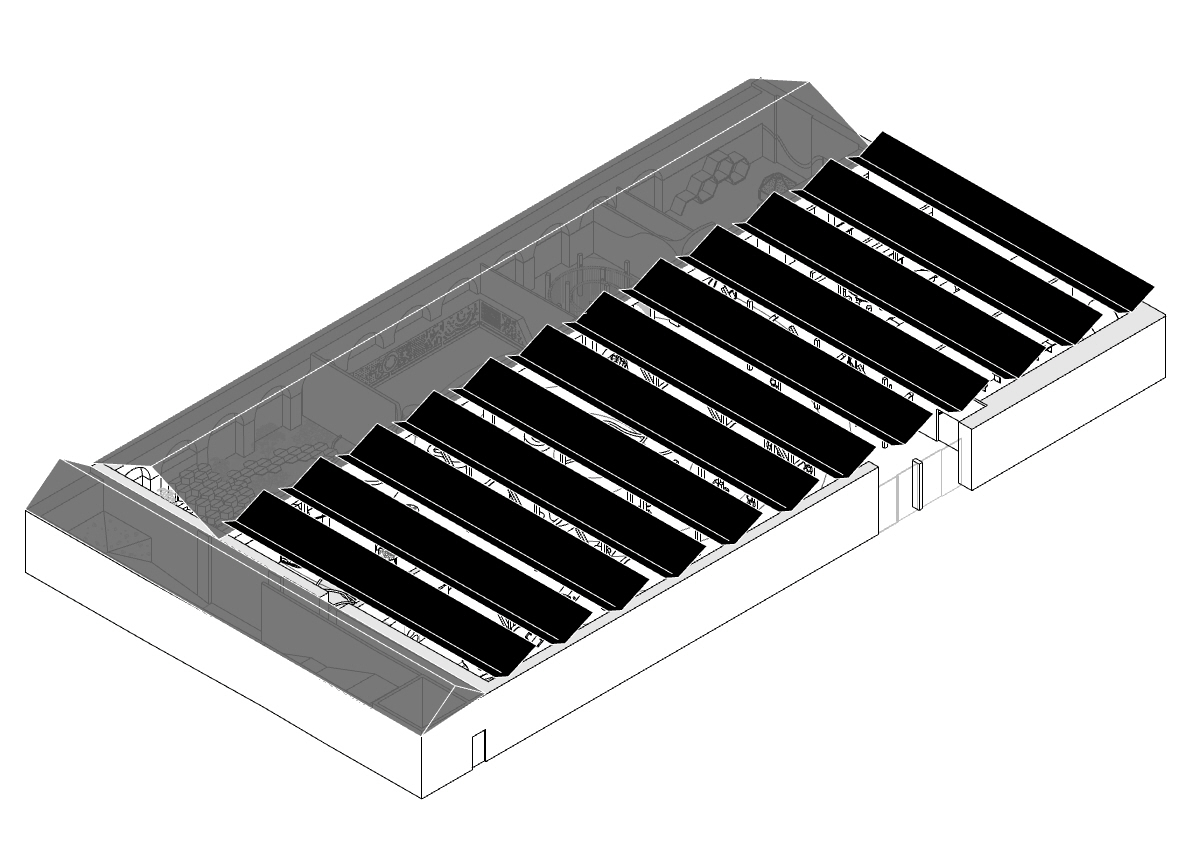
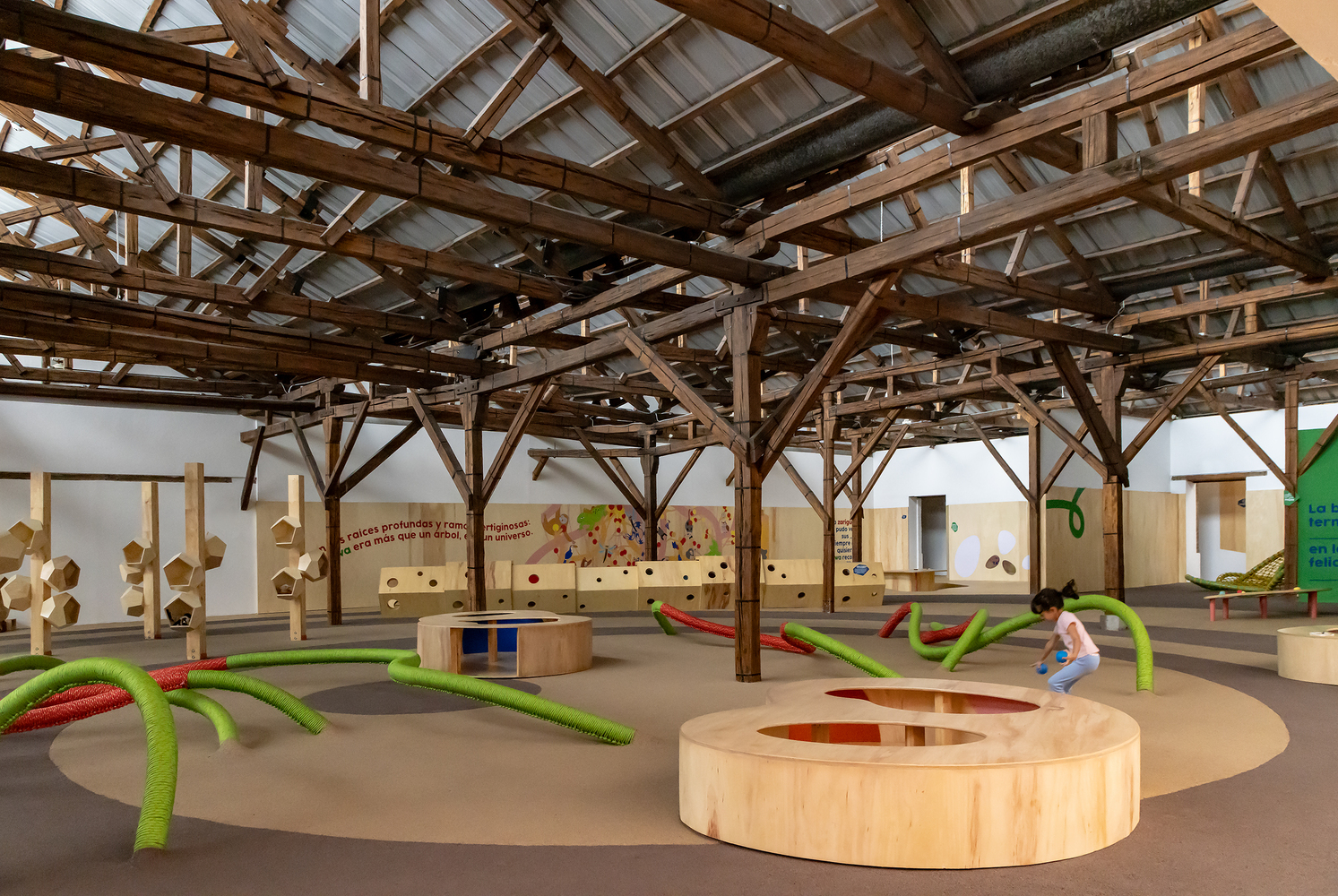
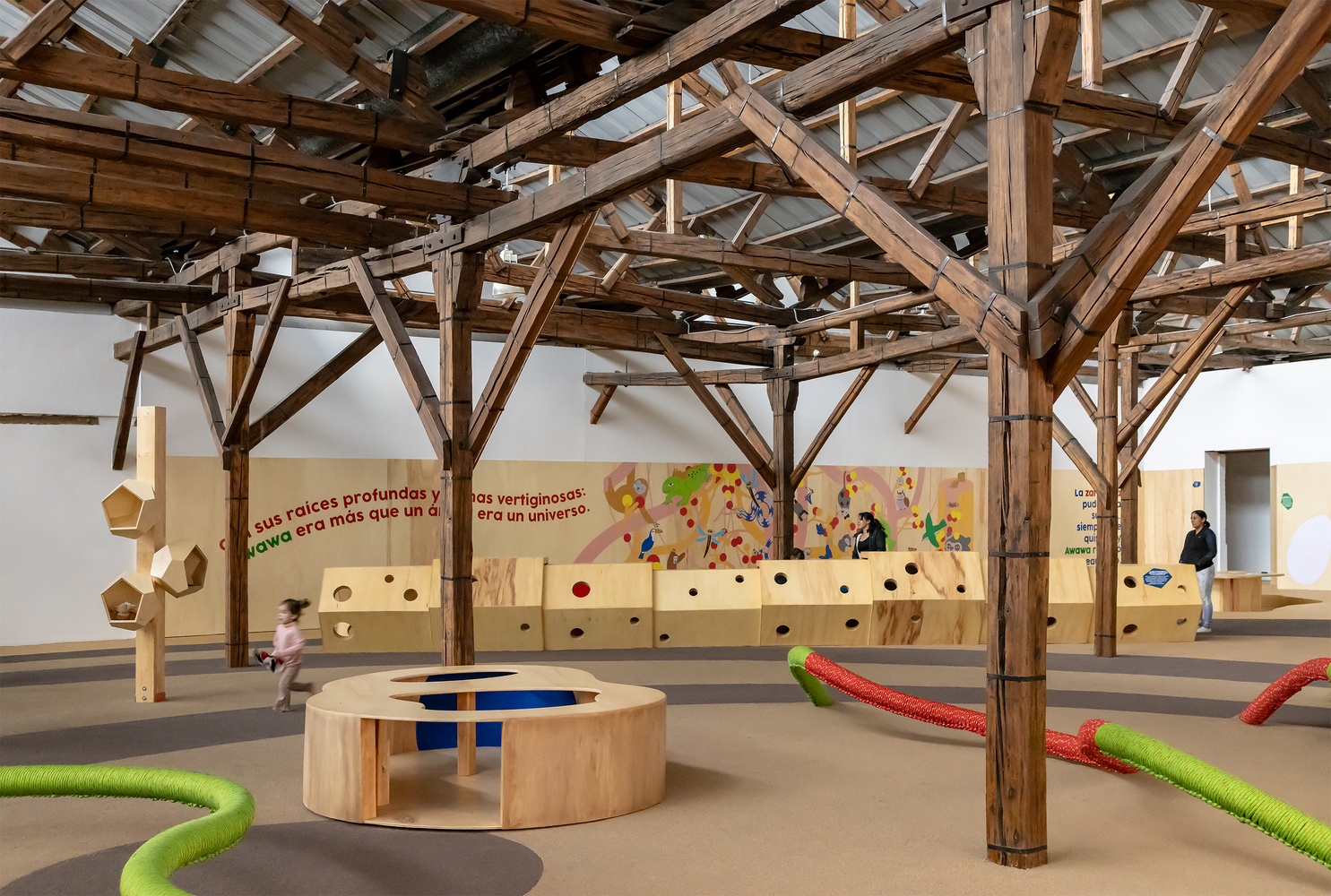
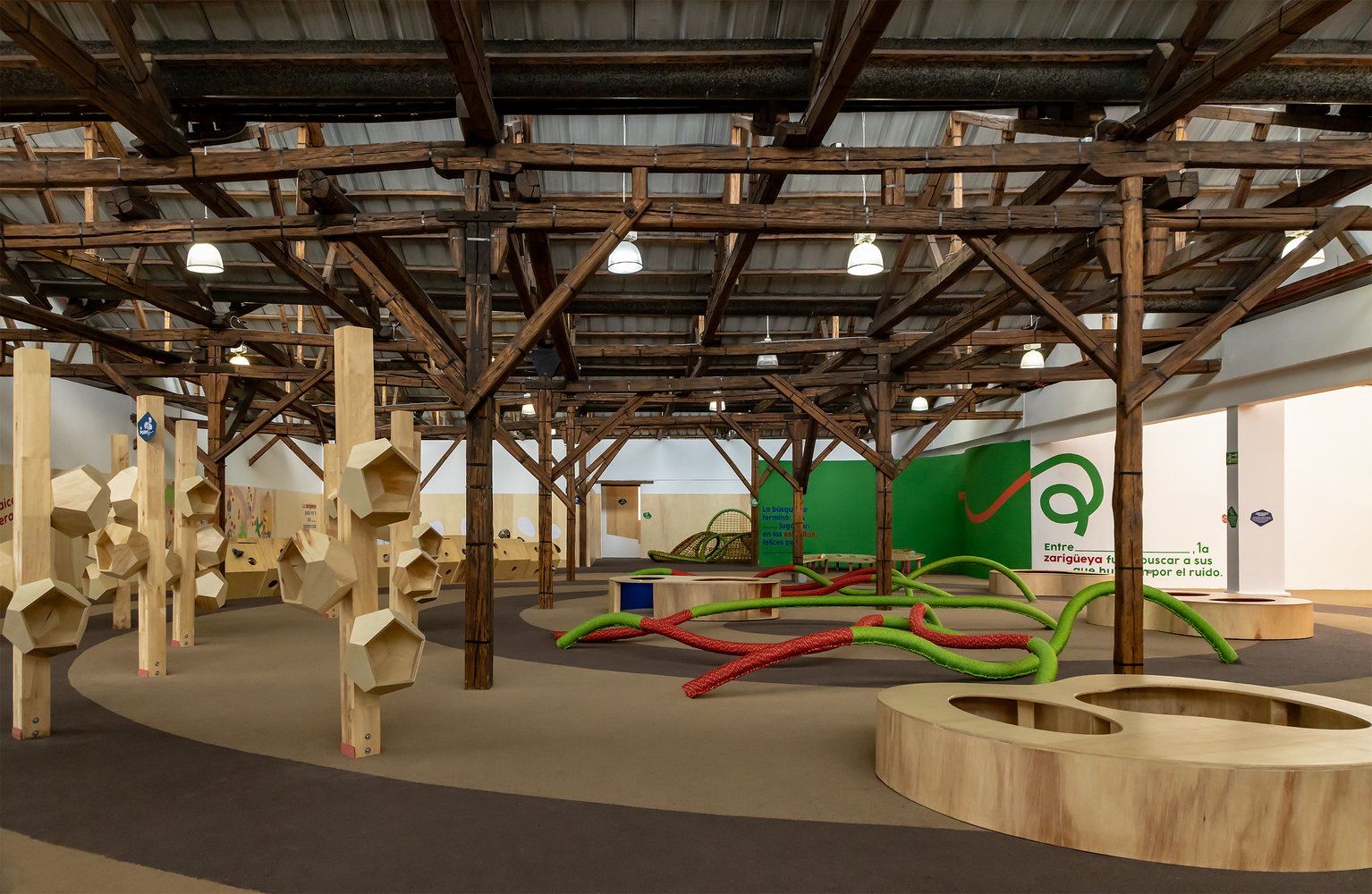
Architecturally, the building was organized through wide spans and warehouses structured by solid wood columns and trusses. Thick adobe walls supported and enclosed the production space.
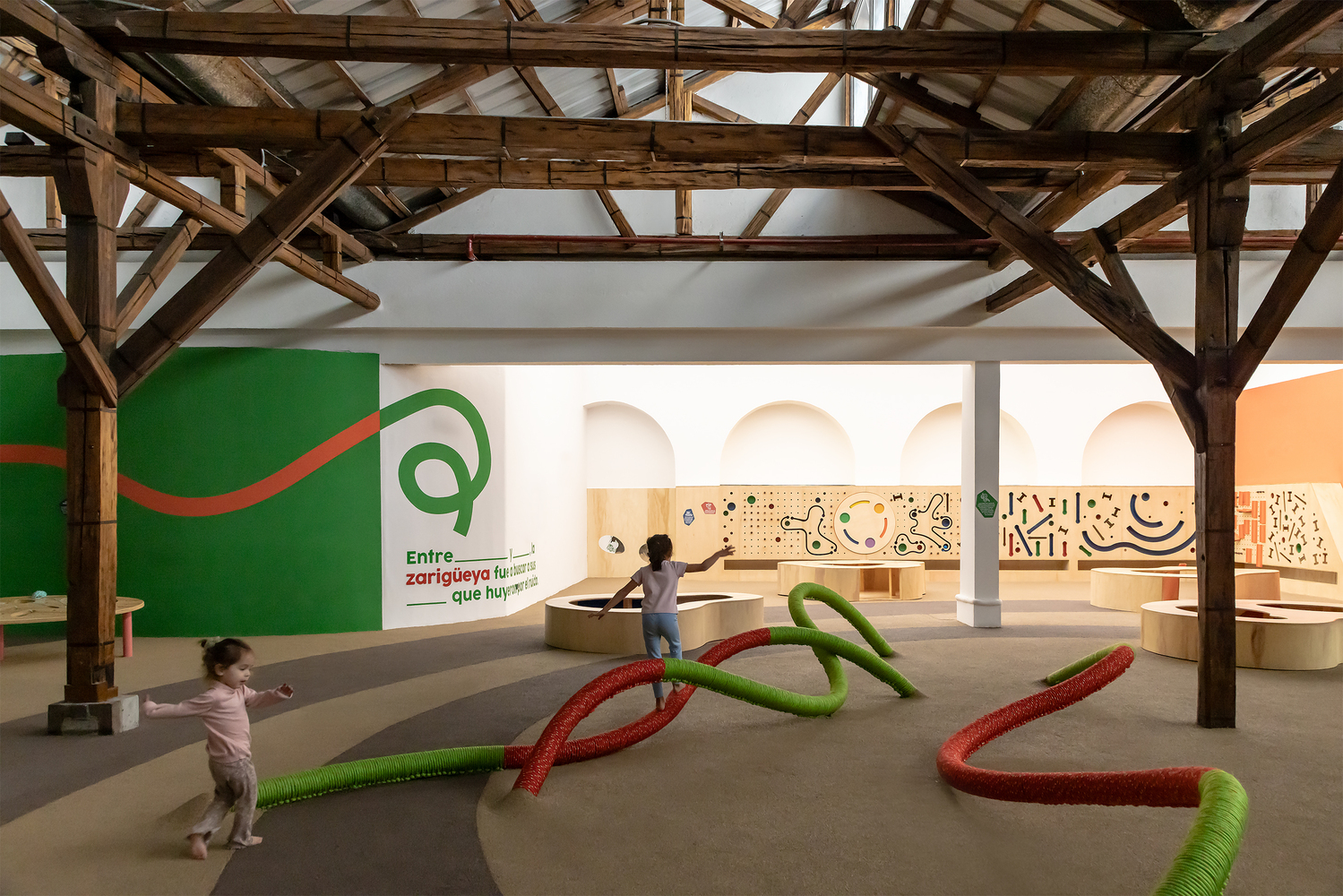
On the outside, large open spaces overlook the landscape of Quito's Historic Center. The transformation into cultural and educational facilities redefines the collective memory of the factory and the neighborhood.
In this context, the AWAWA project finds an architectural support that transforms the industrial heritage into an active setting for imagination, play, education, and community building, while maintaining the historical connection with the building and its people.
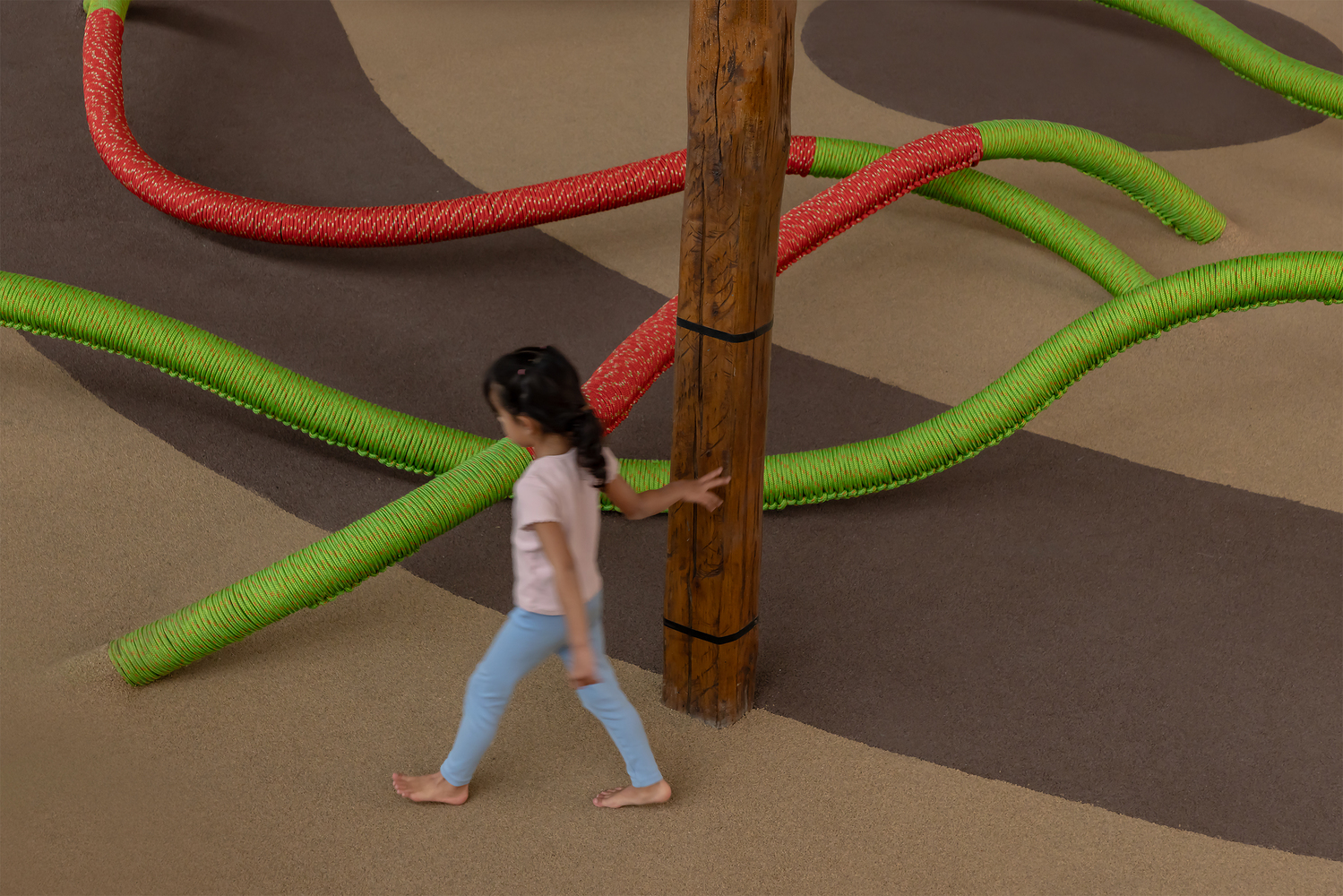
ARCHITECTURAL PROJECT
AWAWA, a Kichwa word meaning: girl/boy. Located in the Interactive Science Museum (MIC), Awawa is a permanent room that, through play strategies and contemporary pedagogies, provides a playful, sensory, and exploratory space for early childhood.
Prior to the museum's intervention, the space was used as a fabric factory, which, with the city's growth and the process of industrialization, was abandoned and forgotten.
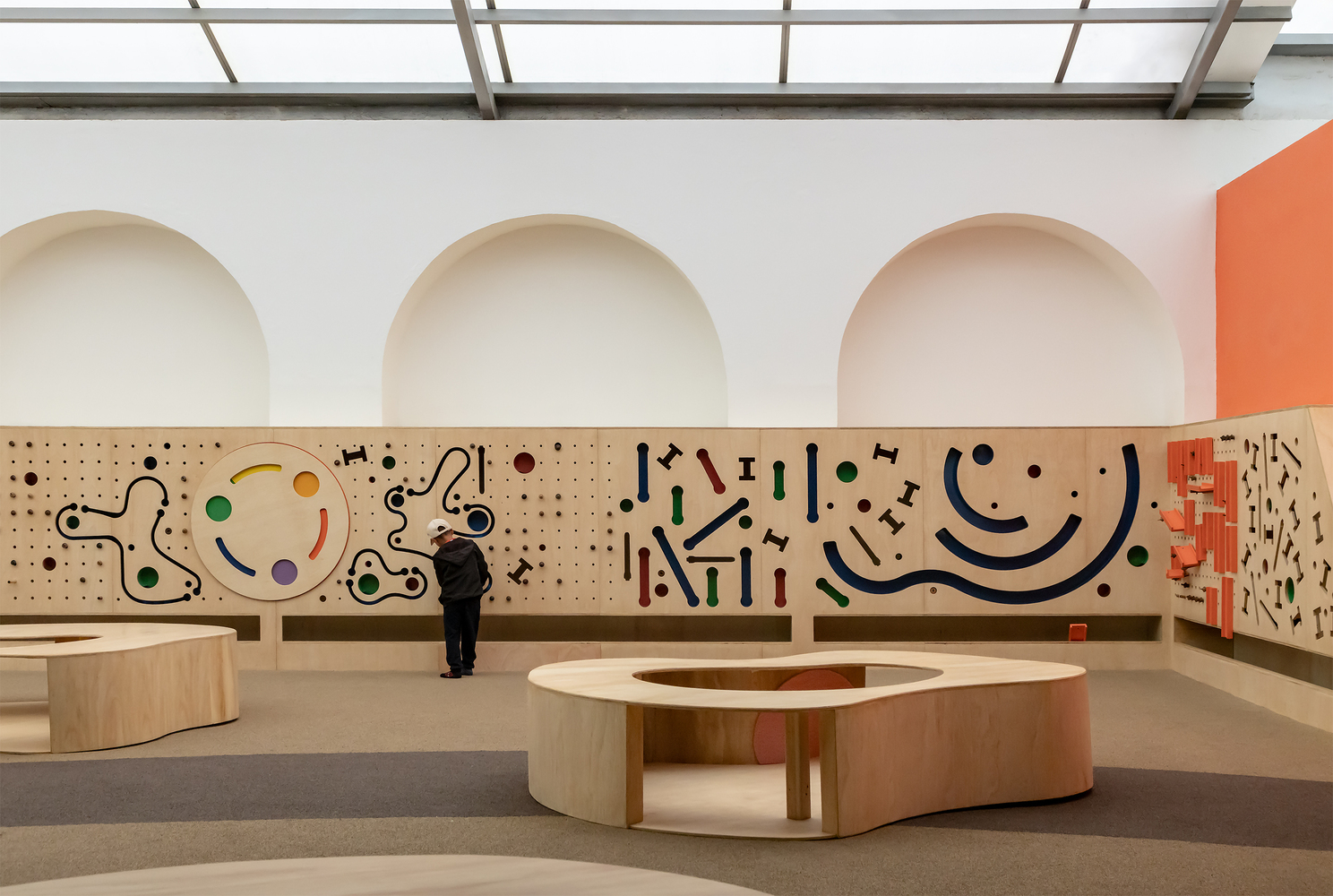
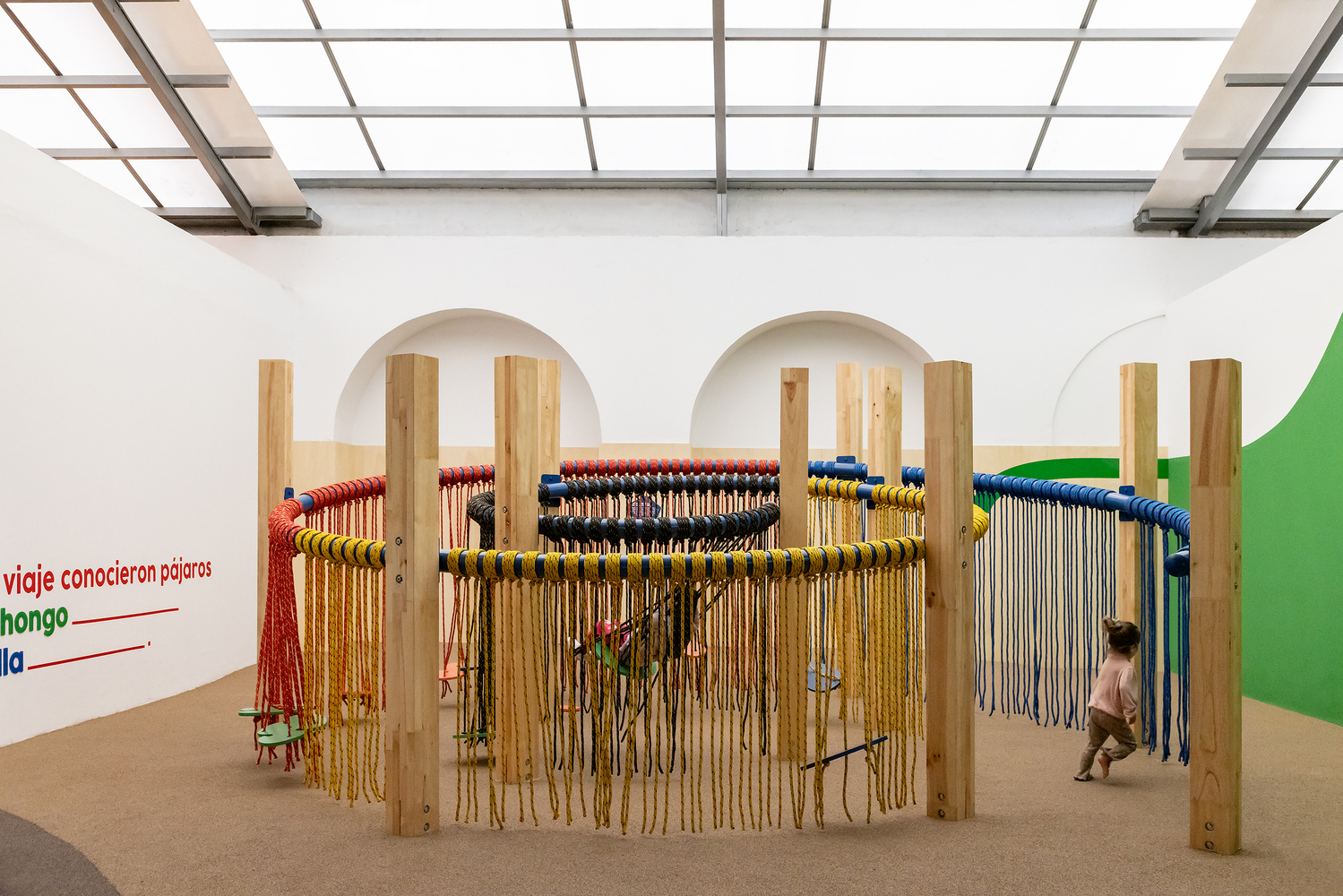
Currently, the Museum Fund has rescued this space to function as a museum dedicated to school-aged children and scientific dissemination. Thanks to this initiative and the need for innovation within the institution, Awawa was born.
Part of the project's intention is to approach and empathize with the relationship between children and nature.
For this reason, two important narrative elements are used: the metaphor of the tree: a living being in nature that houses a complex and interconnected ecosystem, heterogeneous, ancient, from which there is much wisdom to learn;
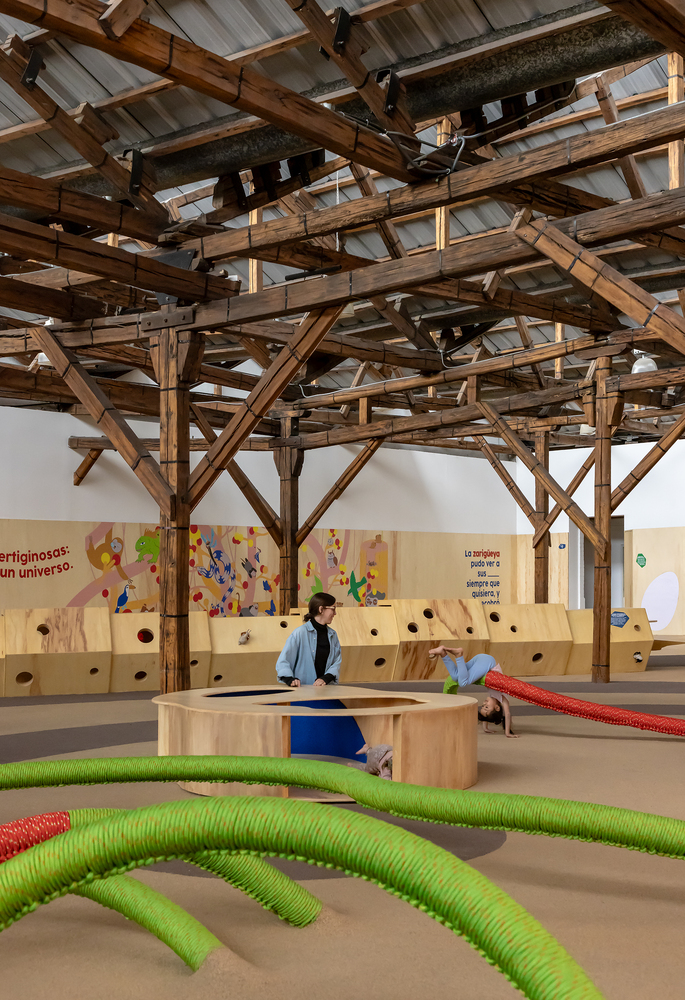
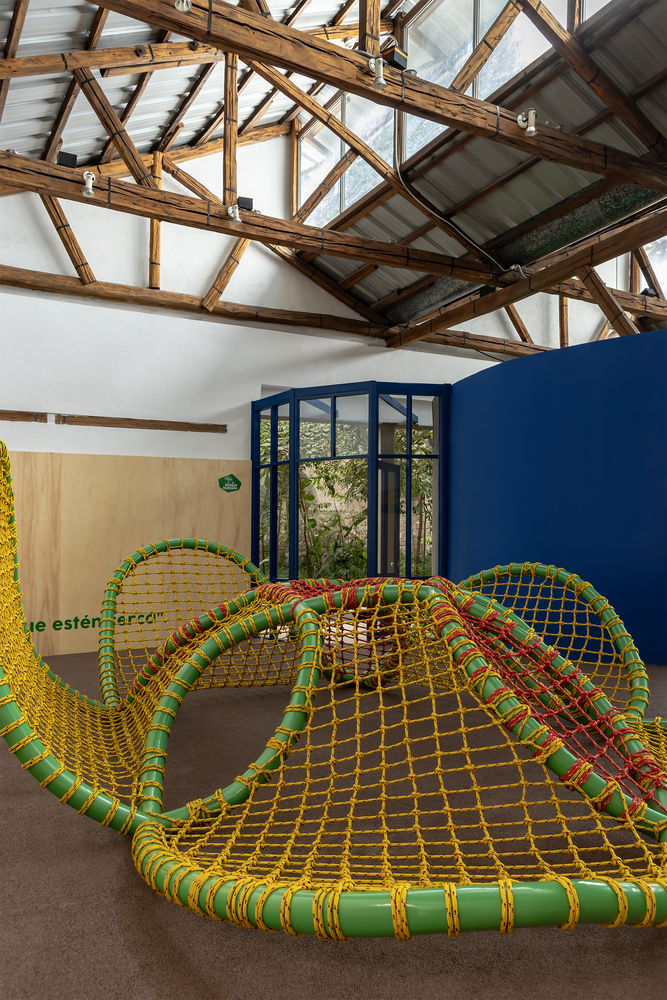
and stories that bring closer Amazonian worldviews, describing the importance of life in nature and the role each individual plays in their interrelationship with others.
DISTRIBUTION AND MATERIALS
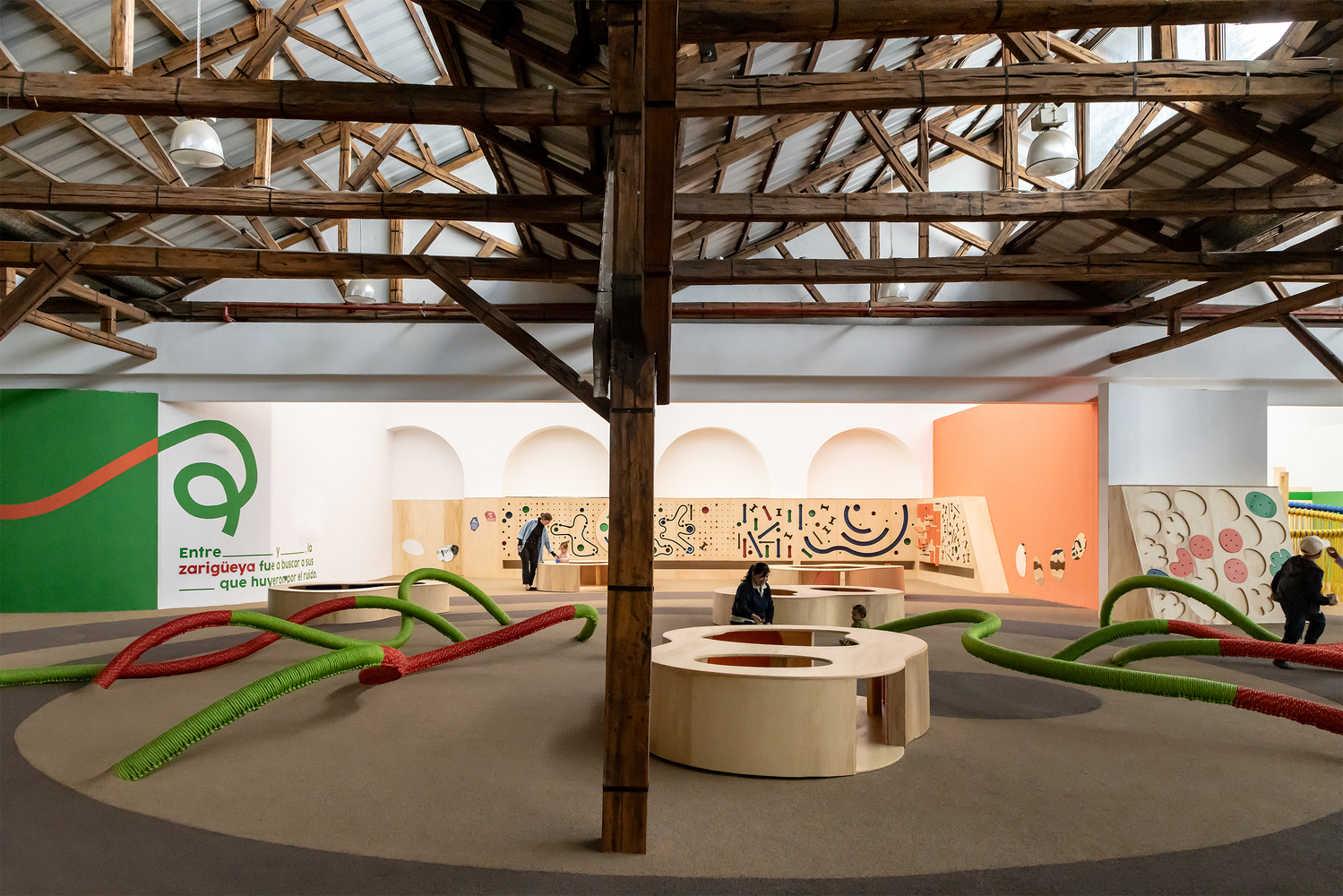
Awawa attracts its users by itself. It is structured around free play and autonomous exploration, proposing spatial situations that stimulate curiosity, movement, sensory perception, and imagination, respecting the individual rhythms of each child.
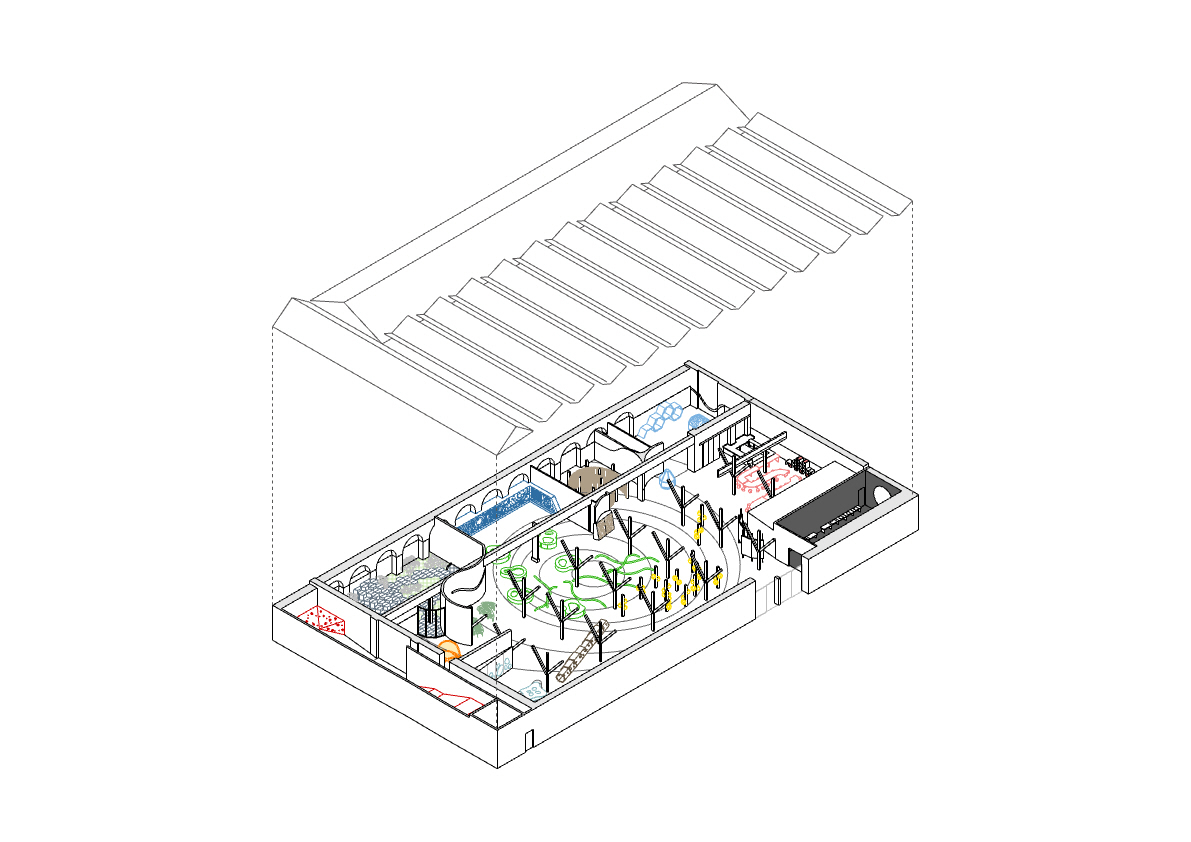
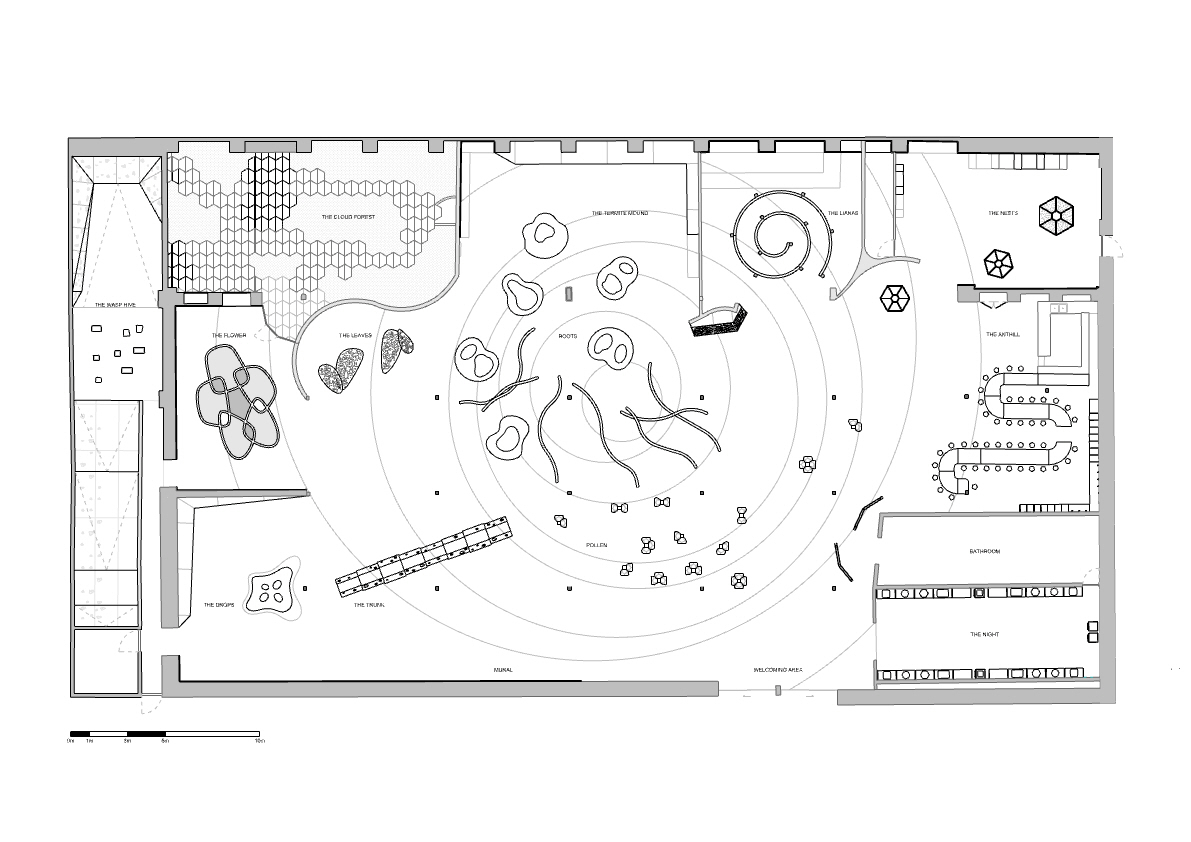
It accommodates a variety of interconnected, undelimited zones that suggest diverse uses: The Pollen, a welcoming space where users leave their belongings;
The Night, a digital interaction room that uses light tables and screen projections through mediations; The Ant Hill, a world of materials where water and organic shapes are experimented with;
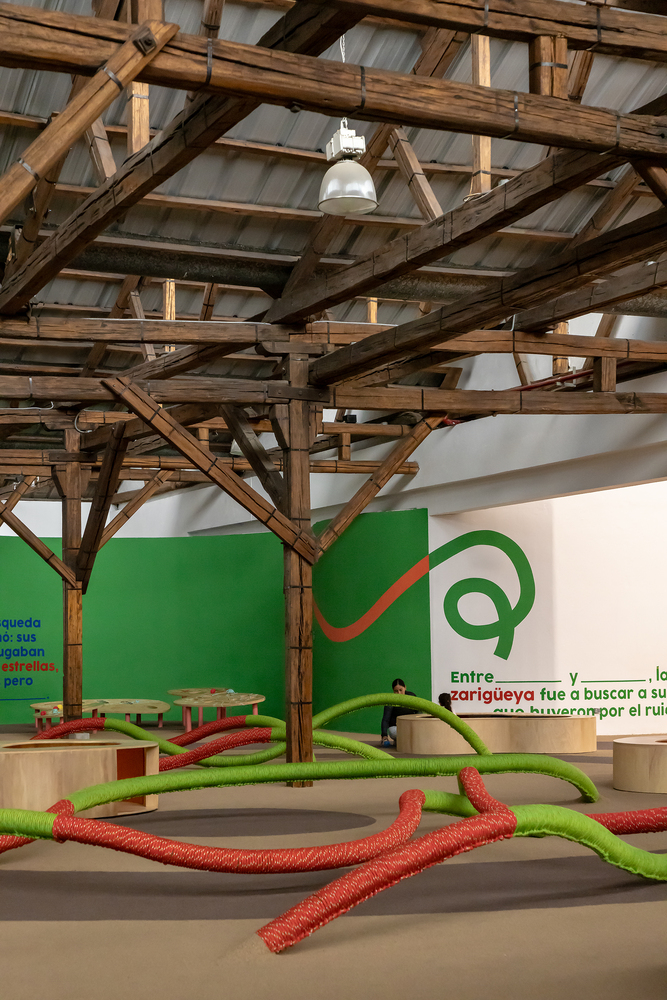
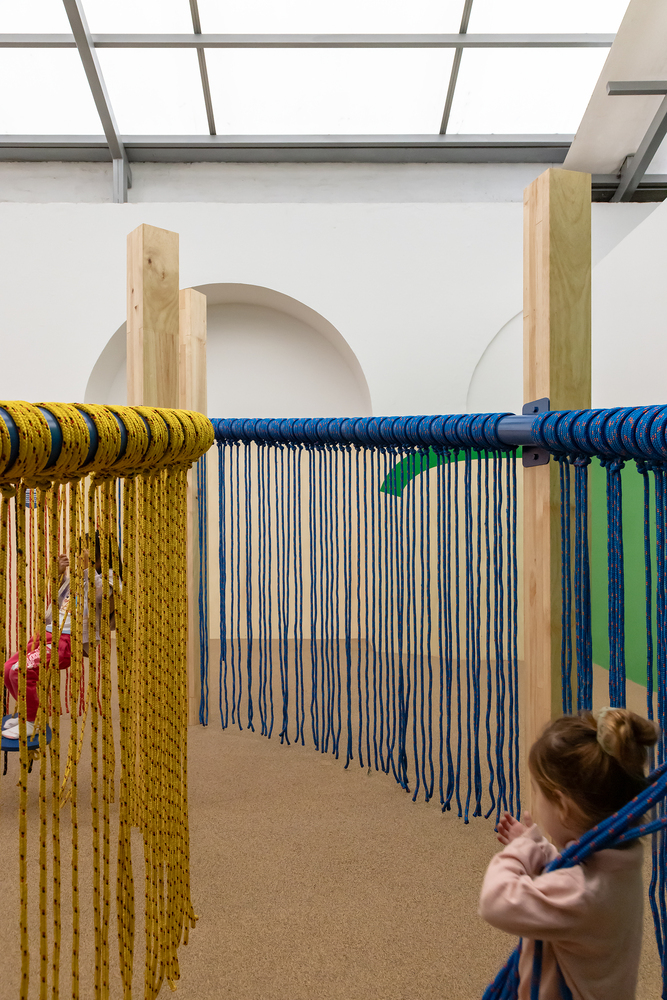
The Nests, an ideal resting area for breastfeeding and reading; The Vines, spiral-like elements and colorful ropes resembling a labyrinth, complemented with puzzle pieces that can become support surfaces for swings or rocking chairs;
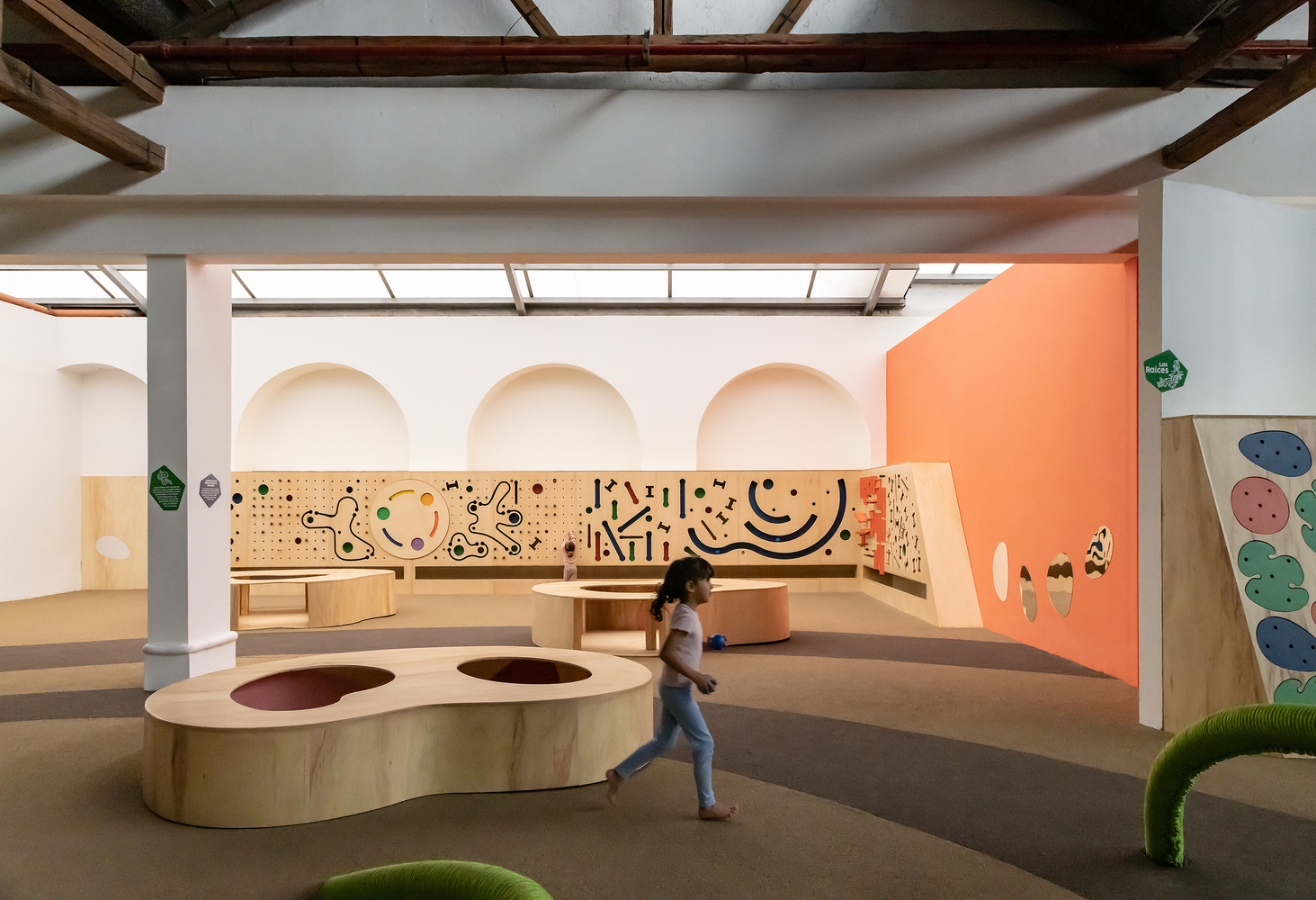
Roots, a balance play area with amoeba-like modules with colorful materials and reflections for younger ages and lower activity; The Termite Mound, an interactive wall with pieces from the old textile factory as complementary play elements;
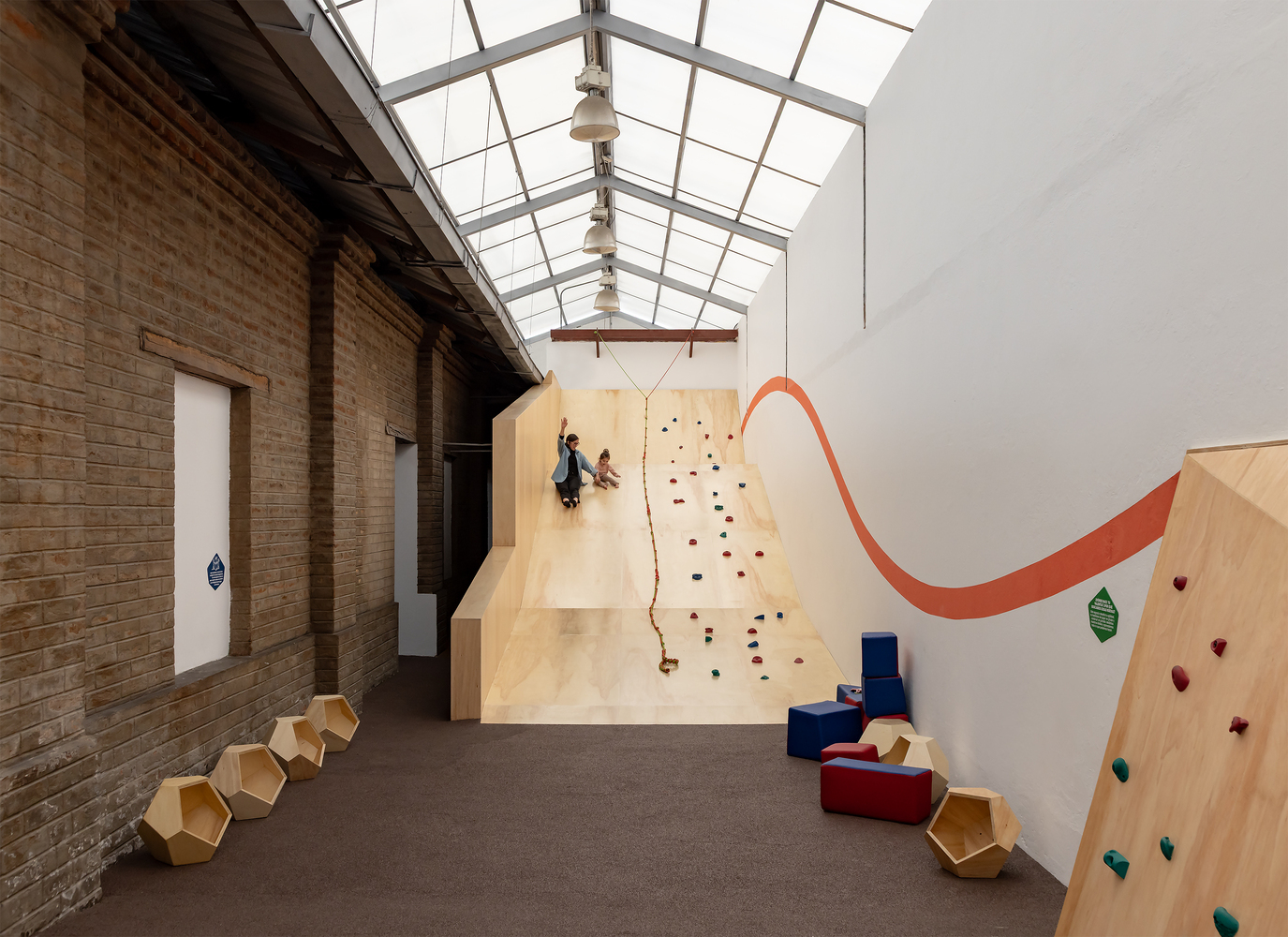
The Leaves, a large-scale weaving area; The Drops, an exploration area with painting on different materials; The Beehive, a climbing and sliding area accompanied by soft and mobile elements;
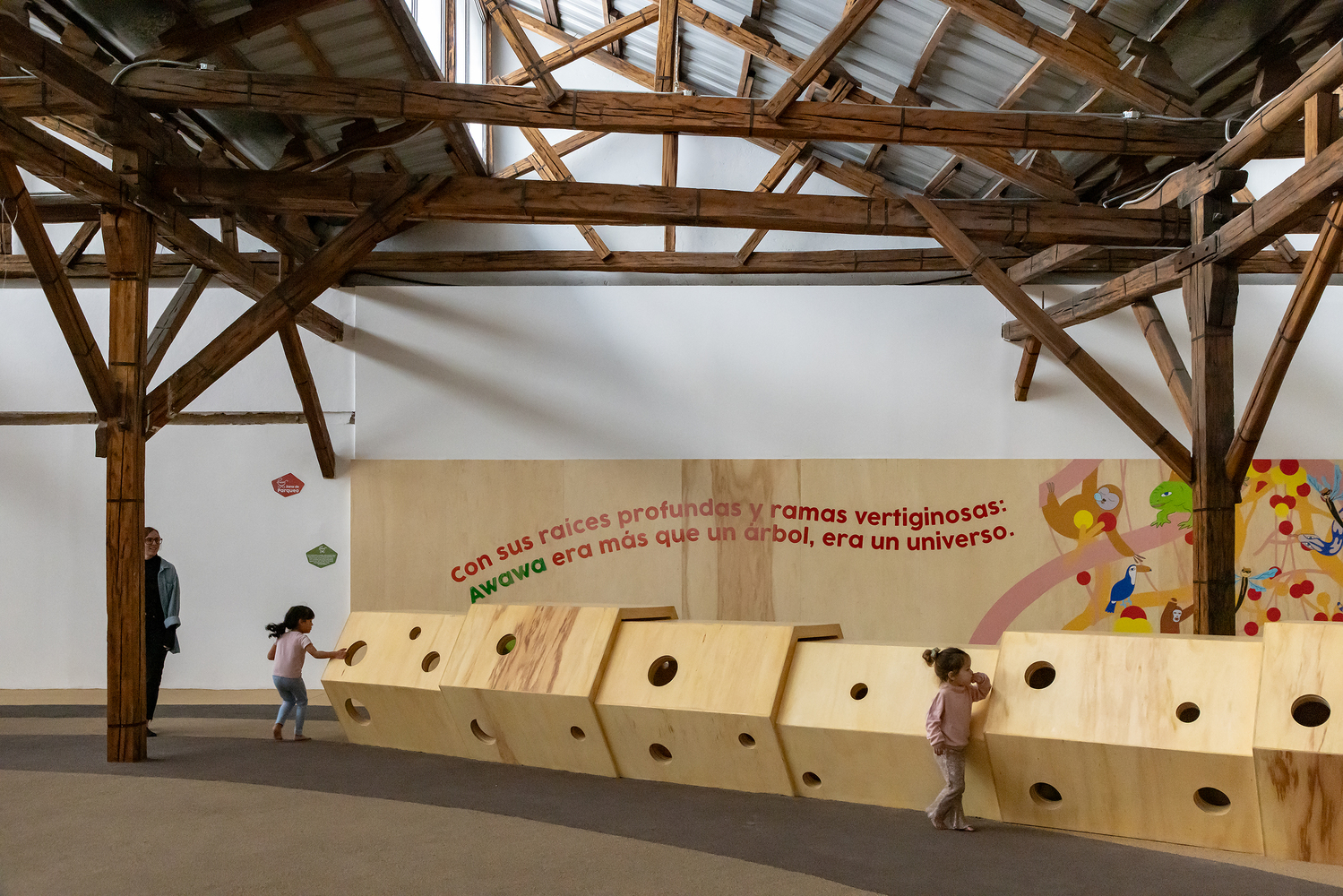
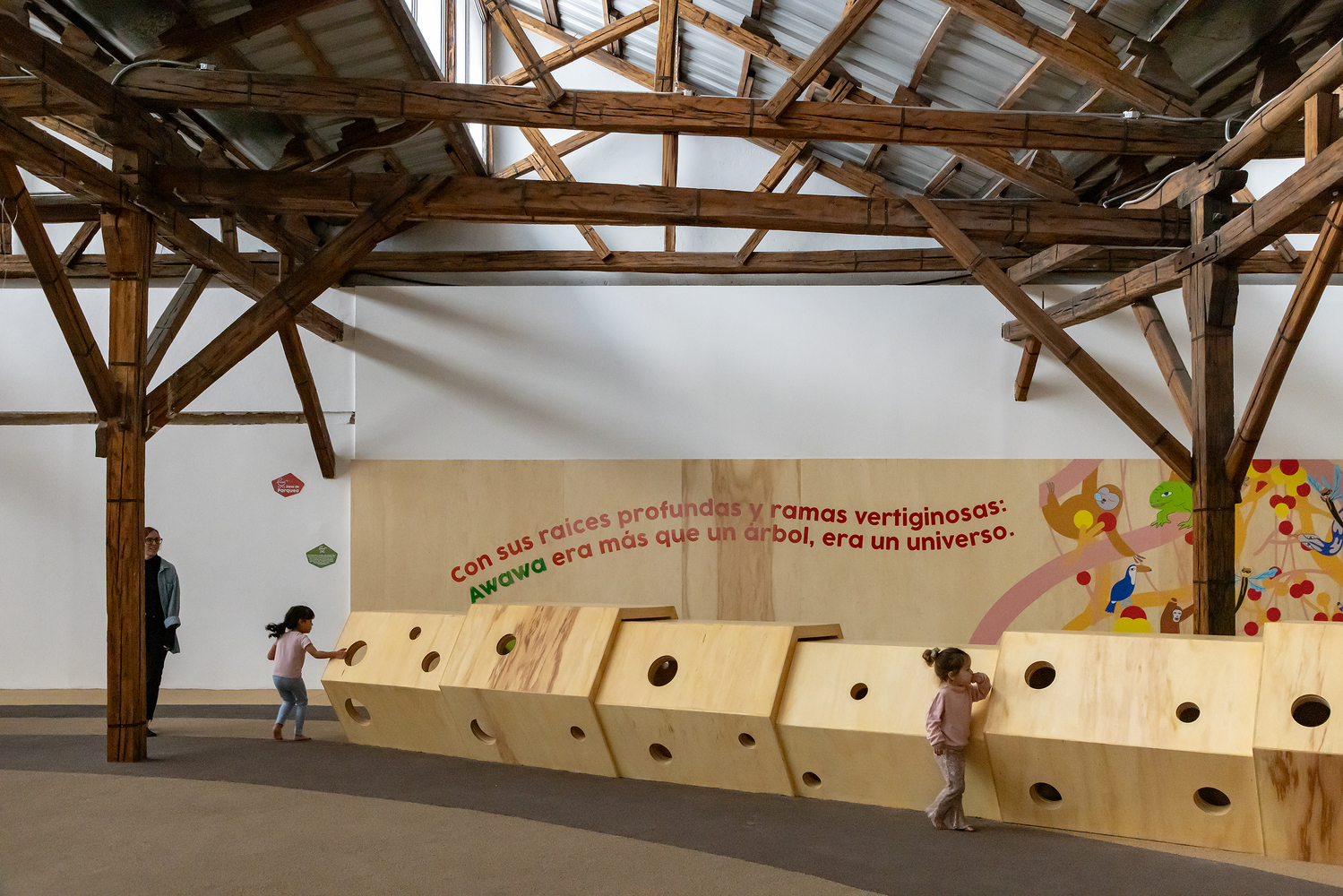
The Trunk, a tunnel resembling a fallen trunk with holes and colors related to a mural of the myth; The Flower, an exploration space through ropes at different heights; The Cloud Forest, an indoor garden with exploratory and modular topographies.
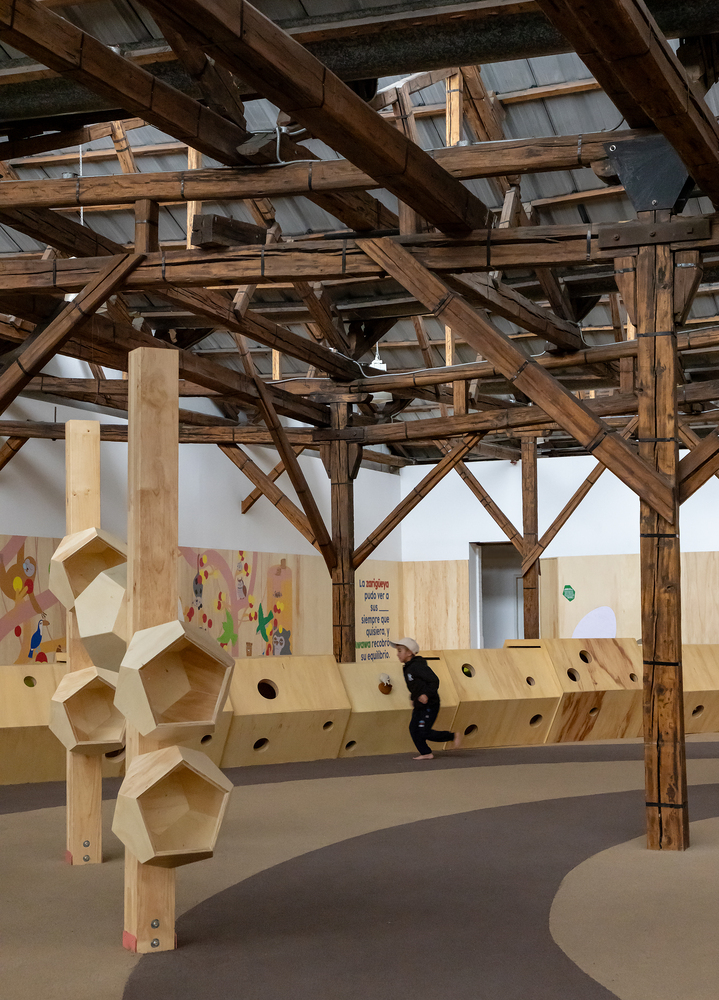
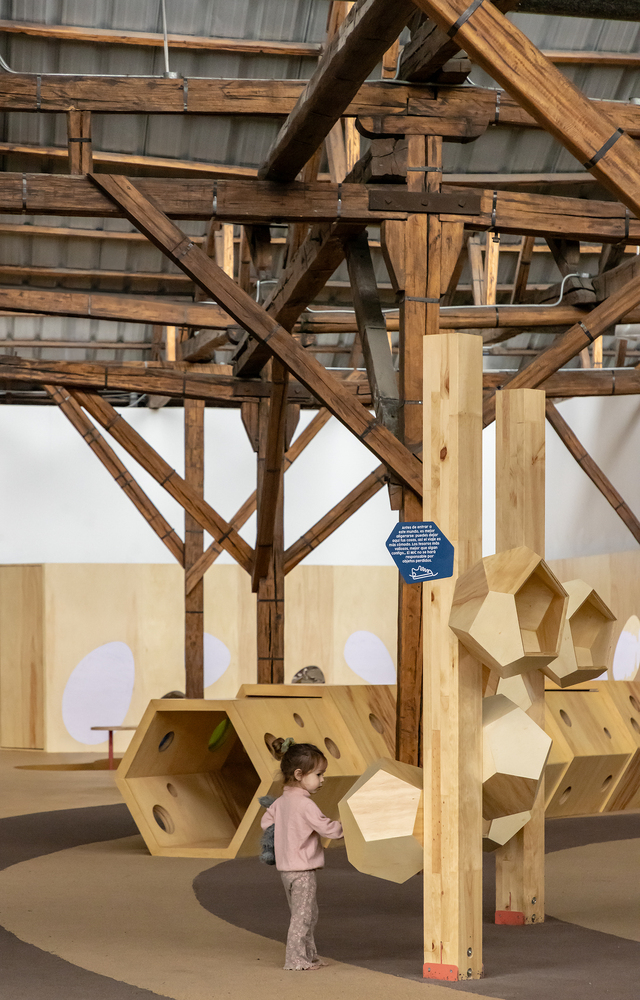
Being an open and connected room, each zone links to another and creates unexpected moments of play. Thanks to the myth, there is a narrative accompaniment in the room that also becomes a game to freely complete what is expressed on the walls.
Consequently, in awareness of the environment and nature, the room uses ecologically friendly or recycled materials, suitable for children, minimizing the risk of falls.
Among the most important materials are: pressed wood sourced from responsible forests used in all museum elements for direct use with children, as well as in walls; biocaucho, a material that minimizes impact with the floor, used in the indoor room;
recycled tetrapack and pressed aluminum flooring, used for its durability in the indoor garden area; other elements are durable plastic materials with a soft texture that allow for prolonged use of the space, such as ropes, climbing holds, and colored acrylics.
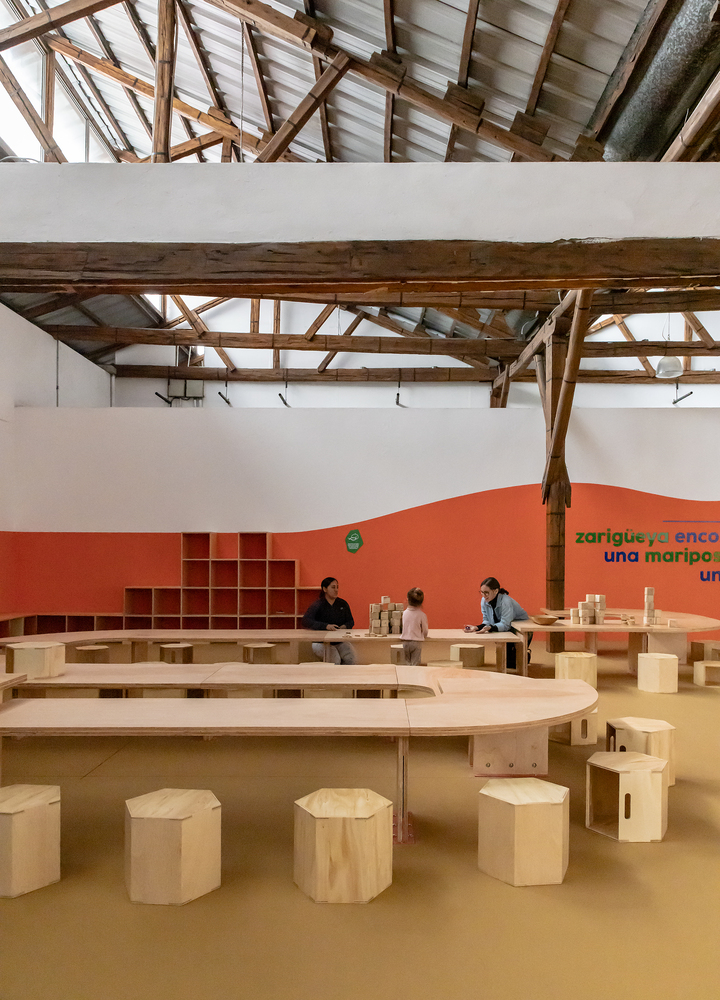
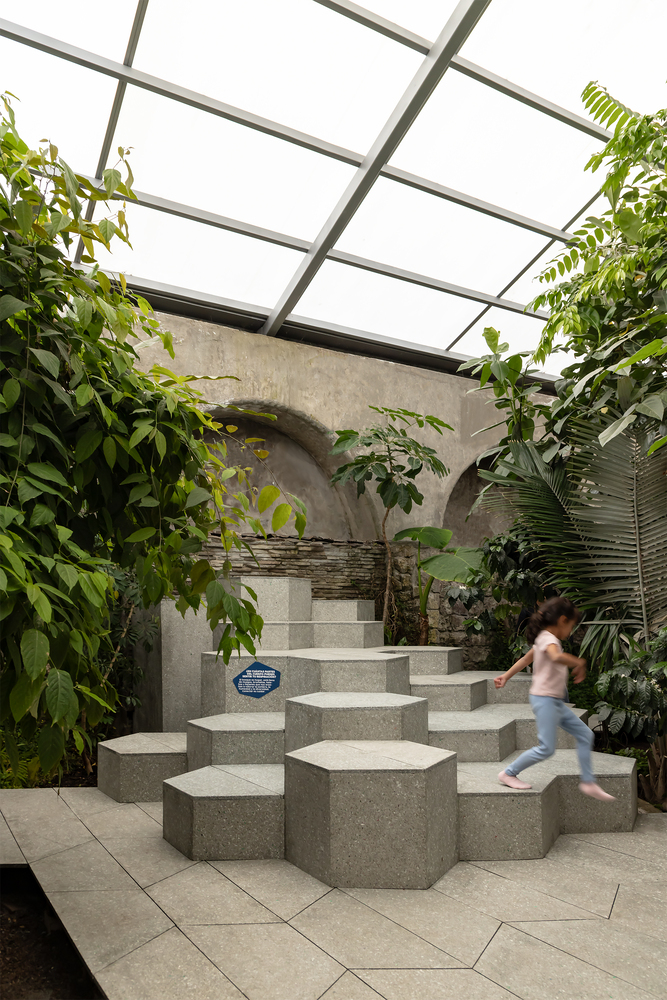
Although it is a space intended for children, AWAWA not only activates a playful spirit in children but also in their companions: adults, mediators, teenagers, and their visitors in general.
AWAWA is a room that reminds us that play, intuition, and enjoyment remain alive in everyone.